The final checkpoint of any Okinawa trip is souvenir shopping. Standing before hundreds of shops lining Kokusai Street and the departure-level gift corners of Naha Airport, every traveler inevitably asks: "What should I buy?" This guide, written from the perspective of a resident who has lived in Okinawa for over 10 years, covers 20 genuinely delicious, genuinely useful, and genuinely appreciated souvenirs organized into 5 categories.

Top 5 Sweets — The Sweet Side of Okinawa
1. Chinsuko — The quintessential Okinawa souvenir. These crumbly cookies trace their origins to Ryukyu Kingdom court confections, made with just three ingredients: lard, flour, and sugar. Arakaki Chinsuko is the original brand, priced at about 40 yen per piece (120 yen for 3), making them perfect for bulk buying. Over 30 flavor variations exist, including purple sweet potato, coconut, and brown sugar.

2. Beni-imo Tart — A tart made with 100% Okinawa-grown purple sweet potato, developed by Okashi Goten in 1986. Annual sales exceed 10 million pieces. Contains no preservatives, so the shelf life is 30 days. 6-piece pack: 700 yen; 12-piece: about 1,300 yen.
3. Sata Andagi — Okinawa's traditional doughnut, the name literally meaning "sugar deep-fried." Crispy on the outside, moist inside. Individually wrapped shelf-stable packs are available at airport shops for about 500 yen (5 pieces). Mikasa brand is the local favorite.
4. Yukishio Sweets — Miyakojima's Yukishio (Snow Salt) holds a Guinness record for containing 18 types of minerals. Financiers, cookies, and caramels made with this salt are sold as Okinawa exclusives. 12-piece box: about 800 yen.
5. Royce Ishigaki Chocolate — Limited-edition products from a factory Hokkaido's Royce established on Ishigaki Island. Brown sugar chocolate and shikuwasa chocolate leverage local Okinawan ingredients. 8-piece box: about 600 yen.
Awamori and Drinks — A Uniquely Okinawan Pour
6. Awamori — Japan's oldest distilled spirit with 600 years of history. Made by fermenting Thai indica rice with black koji mold, then single-distilling. Alcohol content ranges from 25% to 43%. Aged 3 or more years, it becomes kusu (aged awamori), developing notes of vanilla and caramel. For beginners: Zanpa 25% (720 ml, about 900 yen). For enthusiasts: Zuisen 43% (720 ml, about 2,500 yen).

7. Orion Beer — Brewed in Okinawa since 1957, this tropical-climate lager commands over 50% of the prefectural beer market. While available on the mainland, Okinawa-exclusive can designs and shikuwasa beer are only sold locally. 6-can pack: about 800 yen.
8. Shikuwasa Juice Concentrate — A citrus fruit grown in northern Okinawa's Yanbaru region. It contains about 267 times more nobiletin (an antioxidant) than lemons, drawing attention as a health drink. 500 ml concentrate: about 1,200 yen. Mix with sparkling water or use in cooking.
Top 5 Traditional Crafts — 450 Years of Ryukyu Heritage
9. Shisa — Okinawa's guardian lion-dogs inspired by the Chinese lion. Tradition holds that the open-mouthed male (right) welcomes good fortune, while the closed-mouthed female (left) keeps it from escaping. Ceramic (yachimun) shisa are traditional, with pairs priced at 2,000 to 5,000 yen. On Kokusai Street's Shisa Lane, you can paint your own (about 2,000 yen, 40 minutes).

10. Ryukyu Glass — A glass craft born from recycling Coca-Cola and beer bottles discarded by US military bases after WWII. Thick glass with living bubbles is dyed in ocean blues and sunset oranges. At Itoman Ryukyu Glass Village, you can blow your own glass (about 2,200 yen). Individual cups: 1,500 to 3,000 yen.

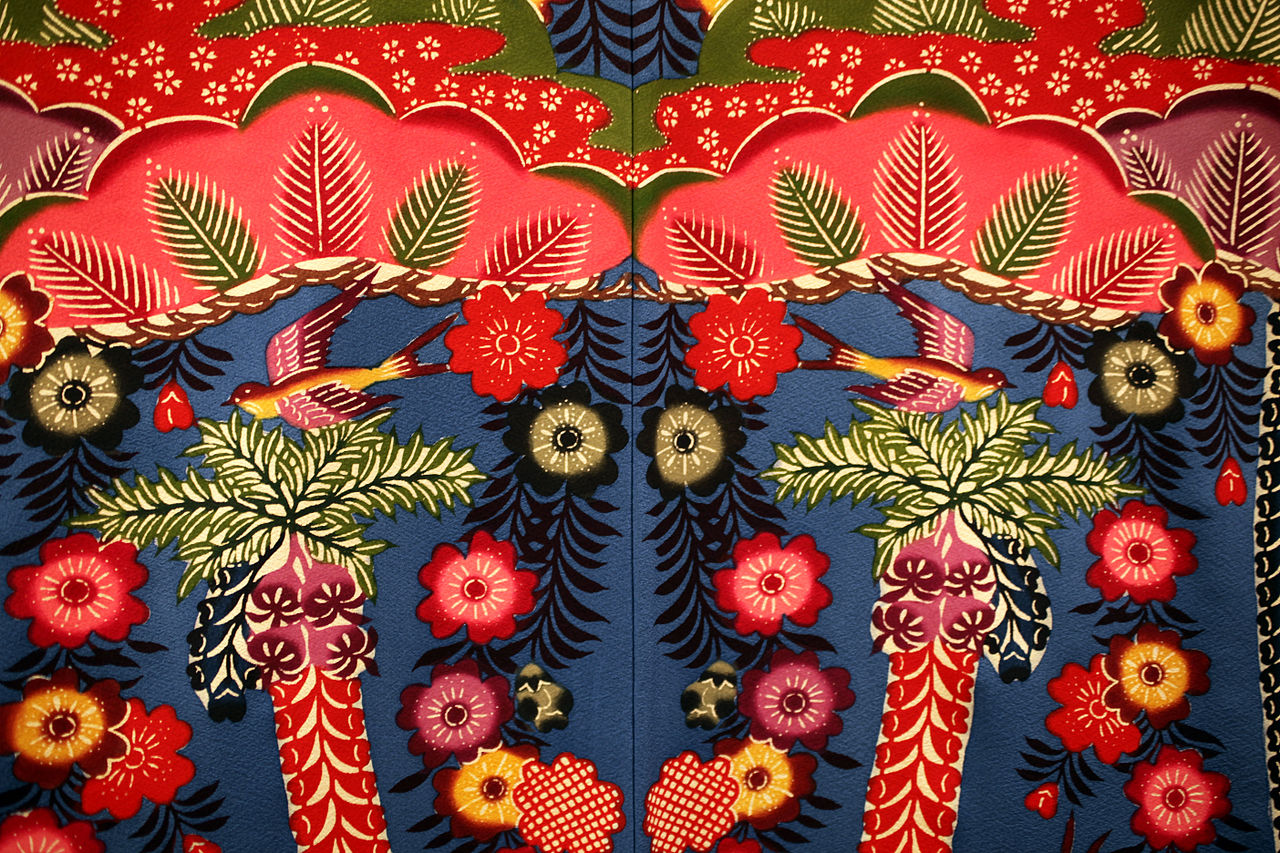
11. Bingata — A dyed textile once reserved exclusively for Ryukyu royalty. Artisans use stencils to hand-dye patterns of flowers, birds, and waves. Traditional kimono cost millions of yen, but bingata-patterned masks (800 yen), coasters (500 yen), and pouches (1,500 yen) are affordable options.
12. Yachimun — The Okinawan dialect word for "pottery," referring to thick, rustic ceramics. Yachimun no Sato in Yomitan Village is home to over 30 workshops. Signature patterns include fish (iyu) and arabesque designs. Rice bowls: 1,500 to 3,000 yen each.
13. Minsa Weaving — A cotton textile from Ishigaki and Taketomi islands. The pattern of 5 and 4 squares repeats, meaning "together through all five (itsu) worlds (yo)." Coasters: 500 yen; neckties: 3,000 yen; bags: around 5,000 yen.
Seasonings and Food — Bring Okinawa to Your Kitchen
14. Koregusu — An Okinawan hot sauce made by steeping island chili peppers in awamori. A few drops on soba or stir-fry unleash an explosion of aroma and heat. 60 ml: about 400 yen. Shelf-stable after opening.
.JPG)
15. Yukishio (Snow Salt) — A powdery salt made from underground seawater drawn from beneath Miyakojima's coral reefs. Unlike regular salt, it is rich in minerals and has a savory depth. Cooking-size 120 g: about 600 yen. Also used as bath salts and body scrub.
16. Mozuku — A brown seaweed of which Okinawa produces 99% of Japan's total supply. Rich in dietary fiber and fucoidan, it is popular as a health food. Seasoned sanbaizu packs sell at airport shops for about 500 yen (3 packs). Requires refrigeration.
17. Taco Rice Kit — A retort kit to recreate Okinawa's signature fusion dish at home. King Tacos (Kin Town) makes the most famous official version. 2 servings: about 600 yen.
Beauty and Health — Gifts from the Island of Longevity
18. Kucha Clay Pack — Marine clay harvested from the Okinawan seabed, formed from coral reef sediment millions of years old. Known for absorbing impurities from pores, it is sold as face wash and face packs. 150 g: about 1,500 yen.
19. Shikuwasa Skincare — Hand creams, lip balms, and body lotions infused with shikuwasa extract. The fresh citrus scent is distinctive. Hand cream 30 g: about 800 yen. The Machiyagwa brand specializes in Okinawa natural-ingredient cosmetics.
20. Ukon (Turmeric) Products — Okinawan turmeric has a high curcumin content, making it popular as a liver-support supplement. Available as powder, tablets, or tea. Powder 100 g: about 800 yen. Richer in flavor than mainland brands.
Where to Buy — Shopping Area Guide
Kokusai Street — Over 200 souvenir shops line this 1.6 km stretch. Key stops: Okashi Goten main store (free beni-imo tart samples), Washita Shop (official Okinawa prefectural shop), and Don Quijote Kokusai Street (tax-free, late-night hours). Prices vary between stores, so compare at least three before buying.
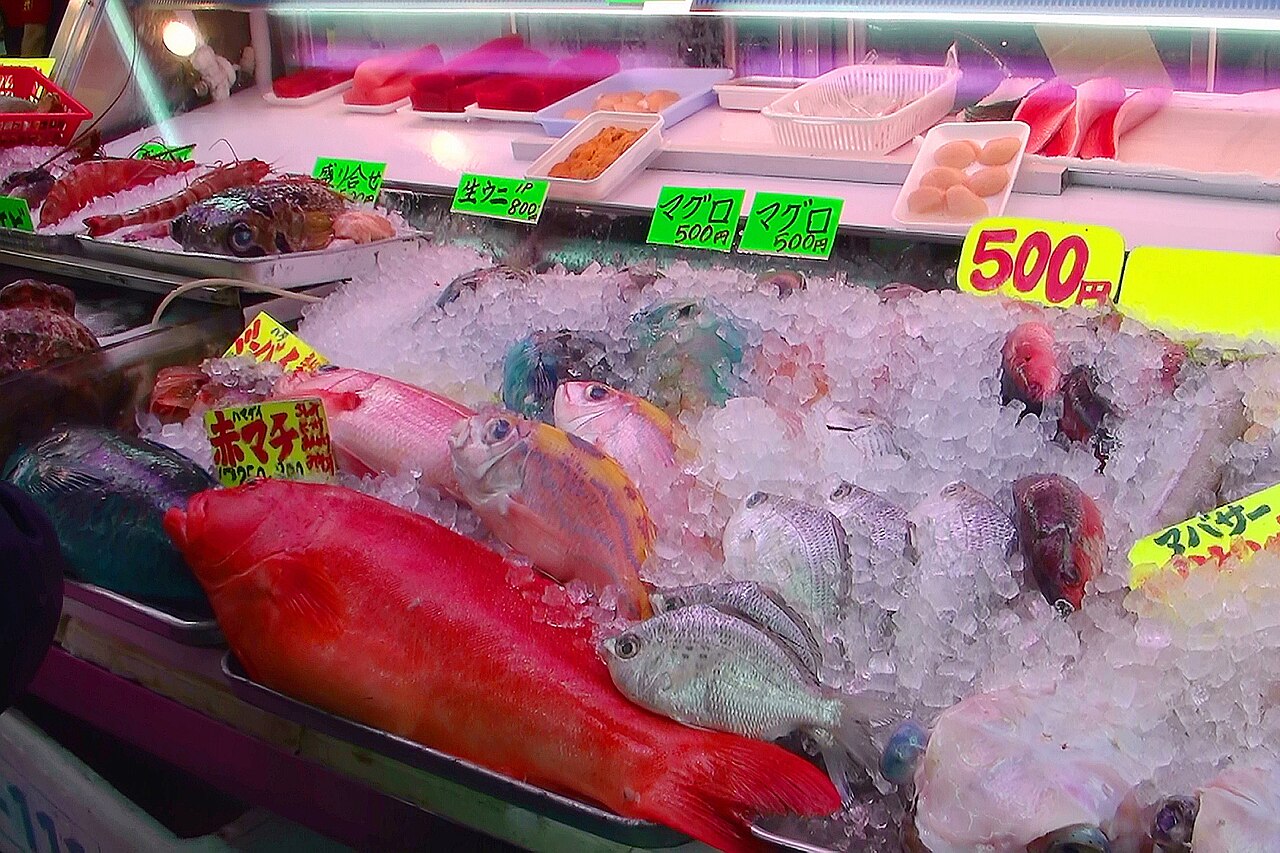
Makishi Public Market — A food market behind Kokusai Street. Buy fresh fish or pork on the first floor and have it cooked at the second-floor restaurants. Koregusu, mozuku, and shima tofu are cheapest here.
Naha Airport — The souvenir area on the 2nd-floor departure level is well organized by brand. The last resort when time is short, but often 10 to 20% more expensive than Kokusai Street. All popular items — yukishio, chinsuko, beni-imo tart — are available.
Outlet Mall Ashibinaa — 15 minutes by car from the airport. Over 70 brand stores plus Okinawa craft select shops. Ryukyu glass and yachimun available at discounted prices.
Smart Shopping Guide — Tax-Free Tips and Packing
Tax-Free Benefits — Foreign tourists in Japan receive a 10% consumption tax exemption when spending 5,000 yen or more (before tax) at a single store. Bring your passport. Consumables (sweets, cosmetics) and general goods (crafts) are calculated separately.
Packing Precautions — Most beni-imo tart and purple sweet potato products are domestic flights only and may be restricted on international flights due to plant quarantine regulations. Always check packaging for the "海外持ち出し不可" (not for overseas export) label before buying.
Recommended Buying Strategy — (1) Scout prices at Kokusai Street on day one, (2) pick up workshop exclusives and roadside station finds during your trip, (3) fill gaps at Naha Airport on your last morning. Always check expiration dates on food items, and request bubble-wrap packaging for fragile items like Ryukyu glass and yachimun.
A Local's Tip
Naha Airport is the most convenient but the most expensive place to shop. The same chinsuko can be 20 to 30% cheaper at small shops on the back streets of Kokusai or large supermarkets like AEON. If you have time, try the San-A grocery store near Omoromachi Station — it is where locals actually shop, so there is no tourist markup.