Into the Flames — October 31, 2019
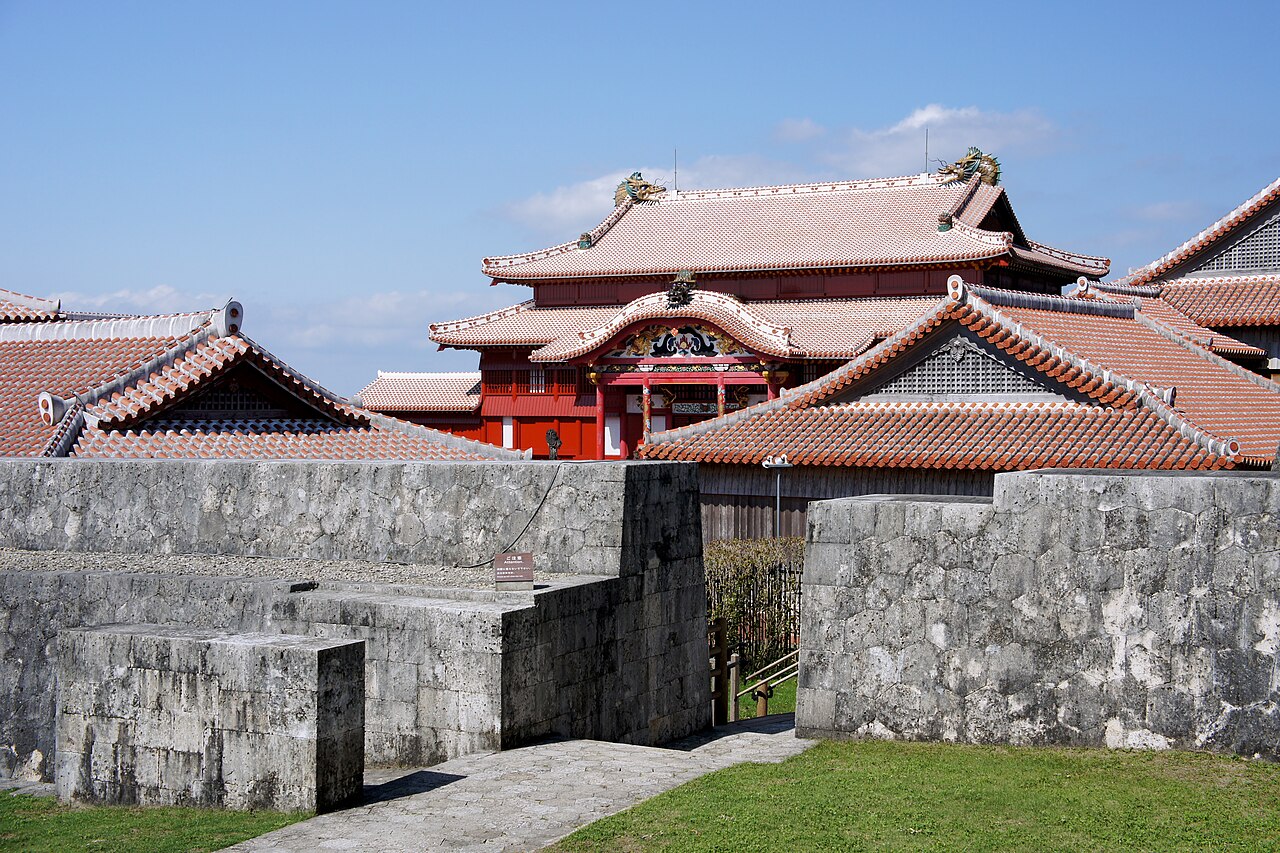
In the spring of 2026, vermillion pillars gleam again under subtropical sunlight atop a hill in Naha. Hundreds of artisans come and go, the scent of red lacquer drifting on the breeze. This is the restoration site of Shuri Castle's Seiden (main hall).
But at 2:40 a.m. on October 31, 2019, this very spot was an inferno. A fire originating in the main hall's electrical equipment burned for approximately 11 hours, consuming the Seiden and eight major structures. It had been just 27 years since the 1992 restoration. The fire destroyed approximately 4,836 square meters and 421 artifacts were lost.
That pre-dawn morning, it was not only Okinawans who wept watching the sky burn red. The phrase "Shuri Castle is the heart of Okinawa" spread across the globe through news coverage. Within three months, approximately 5.5 billion yen in donations poured in from across Japan — a testament to how deeply this castle is etched in the hearts of millions.

The Heart of a 450-Year Kingdom — Shuri Castle's History
The history of Shuri Castle is the history of Okinawa itself. Far more than a tourist attraction, it was the political and cultural heart of the Ryukyu Kingdom — a maritime trading power that connected East Asia for 450 years.
| Year | Event | Significance |
|---|---|---|
| 1429 | King Sho Hashi unifies three kingdoms | Ryukyu Kingdom established; Shuri Castle becomes the royal seat |
| 1609 | Satsuma clan invasion | Japanese indirect rule begins, but the kingdom structure survives |
| 1879 | Ryukyu Disposition | Kingdom abolished, Okinawa Prefecture established; castle repurposed as military facility |
| 1945 | Battle of Okinawa | Japanese military HQ placed beneath Shuri Castle; completely destroyed by US naval bombardment |
| 1992 | Main hall restoration completed | Commemorating 20th anniversary of Okinawa's reversion to Japan |
| 2000 | UNESCO World Heritage designation | Listed as "Gusuku Sites and Related Properties of the Kingdom of Ryukyu" |
| 2019 | Main hall fire | Eight major structures destroyed; nationwide donation campaign begins |
| 2026 | Main hall restoration scheduled | Fusion of traditional techniques and modern technology |
King Sho Hashi unified the three kingdoms of Hokuzan, Chuzan, and Nanzan in 1429 and made Shuri Castle his capital. The Ryukyu Kingdom then flourished as the "Bridge of Nations" (Bankoku Shinryo), connecting China, Japan, Korea, and Southeast Asia through maritime trade. This phrase, inscribed on a temple bell that once stood before the Seiden, speaks to the grand ambitions of a small island nation.

The Road to Restoration — Rising from the Ashes
In November 2019, just weeks after the fire, the Japanese government announced its goal: "Complete the Seiden restoration by 2026." The total estimated cost: approximately 7.3 billion yen (roughly USD 50 million). What followed was not merely a construction project but a vast cultural undertaking where ancient techniques met modern science.
Restoration Timeline:
- March 2020: Fire debris removal completed. Archaeological excavation reveals Ryukyu-era structural remains beneath the Seiden
- November 2021: "Visible Restoration" (Miseru Fukko) facility opens — turning the construction process itself into a tourist attraction
- November 2022: Foundation work on the Seiden platform begins
- November 2023: Wooden frame construction starts, combining Okinawan pine (Okinawa Matsu) with Japanese cypress (hinoki) from the mainland
- July 2025: Seiden exterior restoration completed. The iconic vermillion walls appear once more under Naha's sky
- Autumn 2026: Interior furnishing and exhibitions to be completed; public opening scheduled
The standout initiative has been the "Visible Restoration" program. By installing observation decks and interpretive panels at the construction site, visitors could watch master artisans at work in real time. Since its launch, the program has attracted over 2 million visitors annually.
Traditional Craftsmanship Reborn
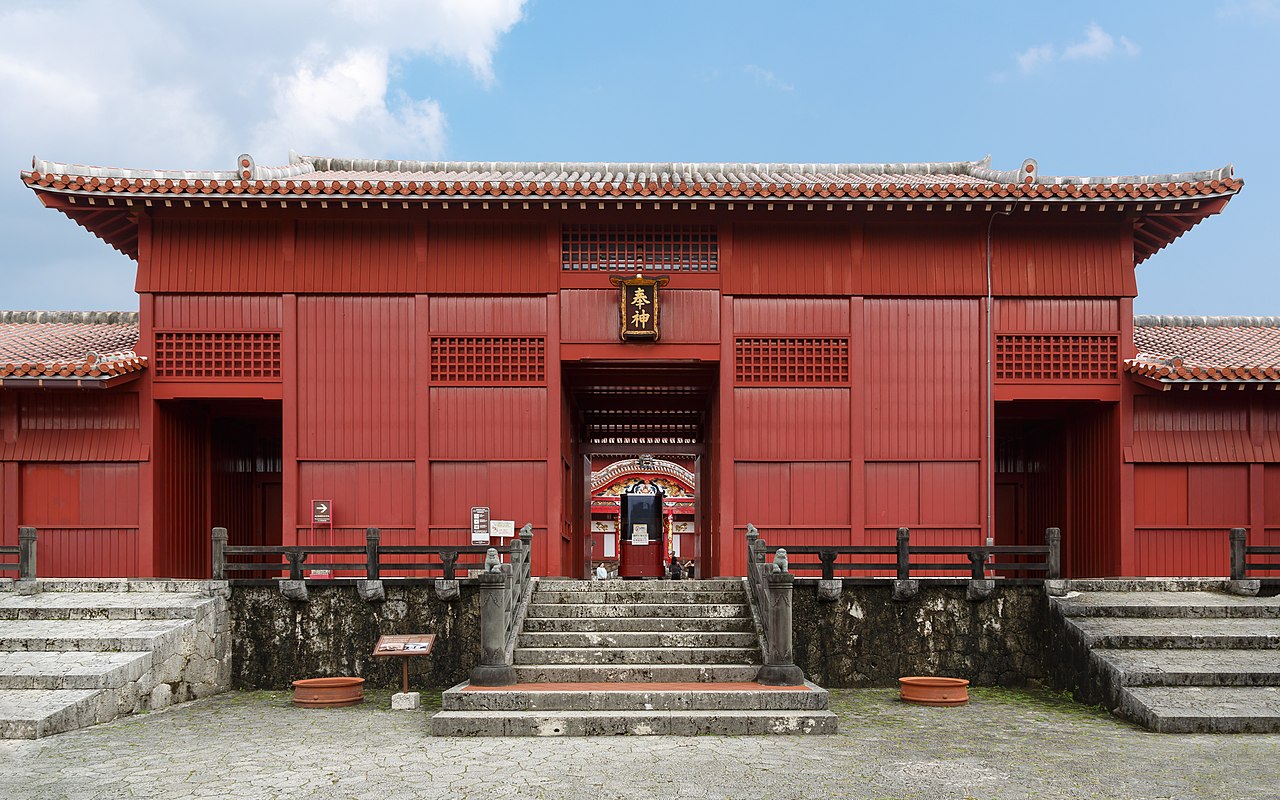
At the core of Shuri Castle's restoration is the revival of traditional techniques. This is not merely about recreating the appearance — it is about resurrecting the very building methods of the Ryukyu Kingdom era.
Lacquerwork (Urushi-nuri): The Seiden's signature vermillion is achieved through a traditional technique of layering lacquer over tung oil (tomo). Master lacquer artisan Takashi Maeda leads a team of approximately 20 lacquer specialists. Each pillar receives more than 30 coats, with each layer requiring application, drying, and polishing — making each pillar a three-month endeavor.
Dragon Head Ridge Ornaments (Ryuto Munekazari): The dragon sculptures on the Seiden's roof are unique to Ryukyuan architecture. Fragments recovered from the fire were 3D-scanned to digitally reconstruct the originals, which stone carvers then recreated by hand using the same Nibi limestone.
Red Roof Tiles (Akagawara): Shuri Castle's tiles are fired from Okinawa's distinctive red clay. Traditional tile workshops in the Yomitan area produced approximately 55,000 tiles for the restoration using time-honored methods.

Autumn 2026: What to Expect
With the Seiden's exterior unveiled in July 2025, Shuri Castle has already entered a new chapter. But what changes will the full opening in autumn 2026 bring?
Interior Exhibition Spaces: For the first time since the original 1992 restoration, the King's Throne (Usasuka) will be precisely recreated. Immersive exhibitions recreating Ryukyu Kingdom diplomatic ceremonies are also planned.
Enhanced Fire Prevention: Learning from the 2019 disaster, 53 sprinklers, 4 water cannons, and 30 surveillance cameras have been installed. The interior features an oxygen reduction system that lowers indoor oxygen levels at night to suppress fire ignition itself.
Barrier-Free Access: New elevators and ramps — absent in the previous building — now allow wheelchair users to access the Seiden's second floor.
Night Illumination: After the full opening, an expanded nighttime lighting program will debut. The sight of the Seiden's vermillion glow against the night sky will stand as a message of light to everyone who waited for this moment.
Visitor Guide — Everything You Need to Know in 2026
| Detail | Information |
|---|---|
| Address | 1-2 Kinjo-cho, Shuri, Naha, Okinawa 903-0815 |
| Hours | 08:30–18:00 (until 19:30 July–Sept) *Last entry 30 min before closing |
| Admission | Adults 400 yen / Jr & Sr High 300 yen / Elementary 160 yen (paid area) |
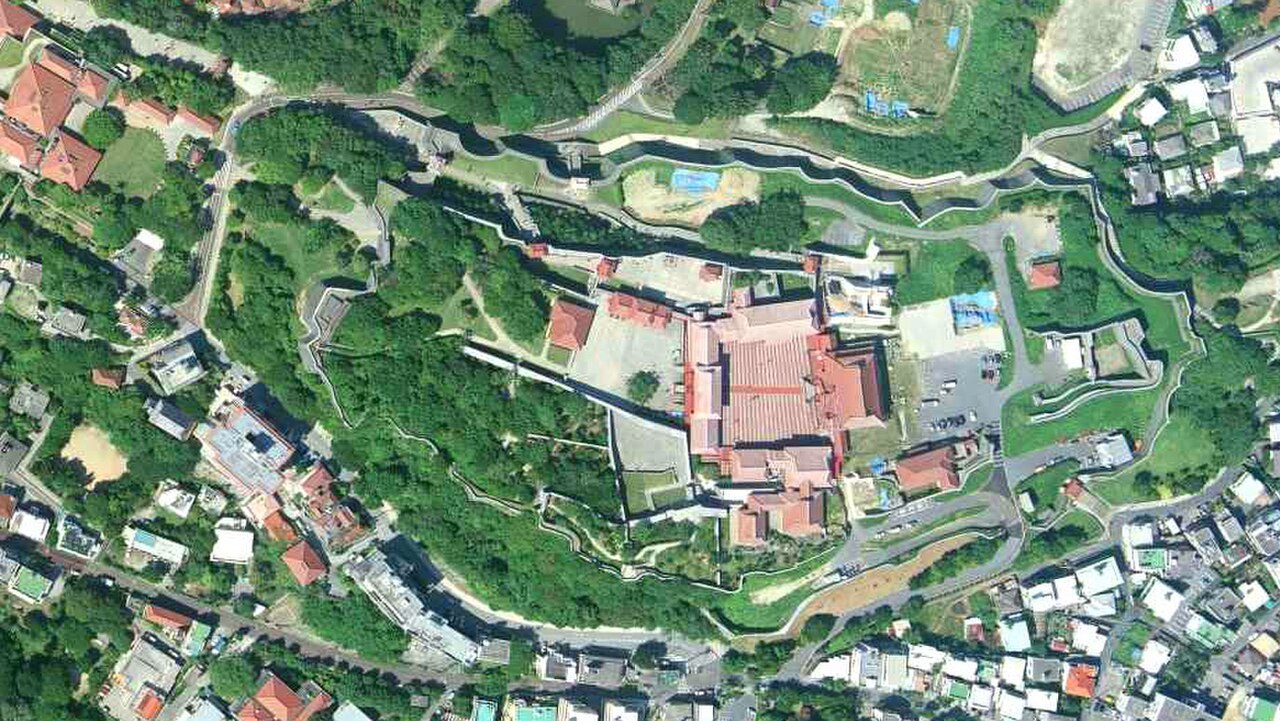
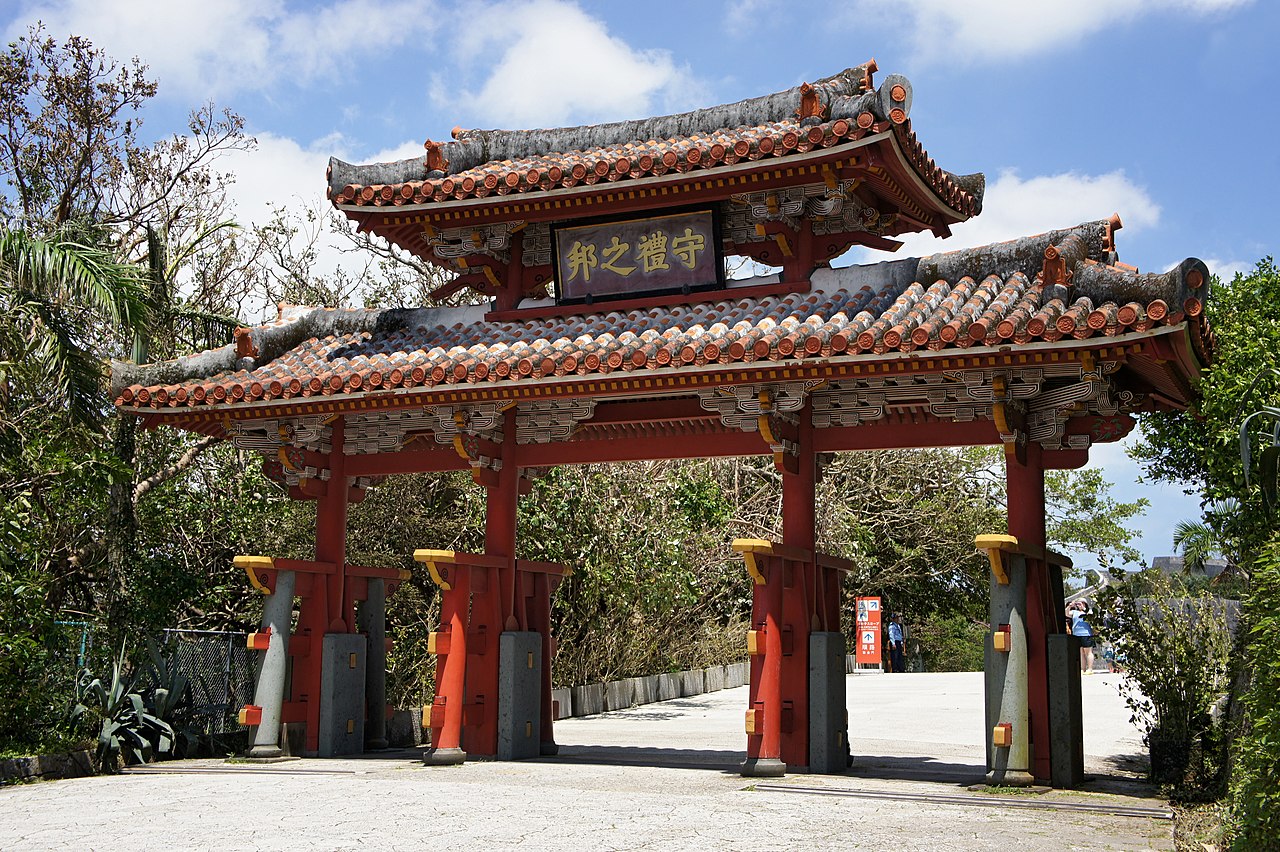
| Free Area | Shureimon Gate, Kankaimon Gate, and Hoshinmon Gate area — free to visit |
| Closed | First Wednesday & Thursday of July (maintenance) |
| Time Needed | Full visit approximately 90–120 minutes |
Getting There:
- Yui Rail: Shuri Station → 15-minute walk to Shureimon Gate
- Bus: Routes 7 or 8 from Naha Bus Terminal → "Shuri Castle Park Entrance" stop
- Rental Car: Approximately 30 minutes from Naha Airport. Use the Shuri Castle Park underground parking (320 yen/hour)
Best Times to Visit: Right at opening (08:30) or after 16:00. Tour buses concentrate between 10:00 and 14:00, so avoiding these hours allows for a much more relaxed experience.
Frequently Asked Questions (FAQ)
Q. When exactly will the Seiden interior open in 2026?
A. The target is autumn 2026 (around October–November), but the exact date has not been announced. Check the official Okinawa Prefecture website and Shuri Castle Park homepage for the latest updates.
Q. Can I visit Shuri Castle now (spring 2026)?
A. Yes. The Seiden exterior has been visible since July 2025, and both paid and free areas are operating normally. However, entry to the Seiden interior is not available until the full opening.
Q. Was Shuri Castle removed from the UNESCO World Heritage List after the fire?
A. No. The UNESCO listing covers the underground archaeological remains (stone walls and foundations), not the above-ground wooden structures. The World Heritage status was not affected by the fire.
Q. How much was raised in donations for the restoration?
A. Approximately 5.5 billion yen within three months of the fire, with continued fundraising bringing the total to over 6 billion yen. The remaining costs are covered by national and Okinawa prefectural government budgets.
Q. Will the "Visible Restoration" viewing continue after completion?
A. The construction site viewing will end, but a permanent exhibition documenting the restoration process is planned inside the completed Seiden, featuring video footage and panels showcasing the artisans' techniques.
Sources: Cabinet Office Okinawa General Bureau, "Shuri Castle Restoration Schedule" (2024 revised edition) / Okinawa Prefecture, "Shuri Castle Restoration Master Plan" / Shuri Castle Park Management Center official materials