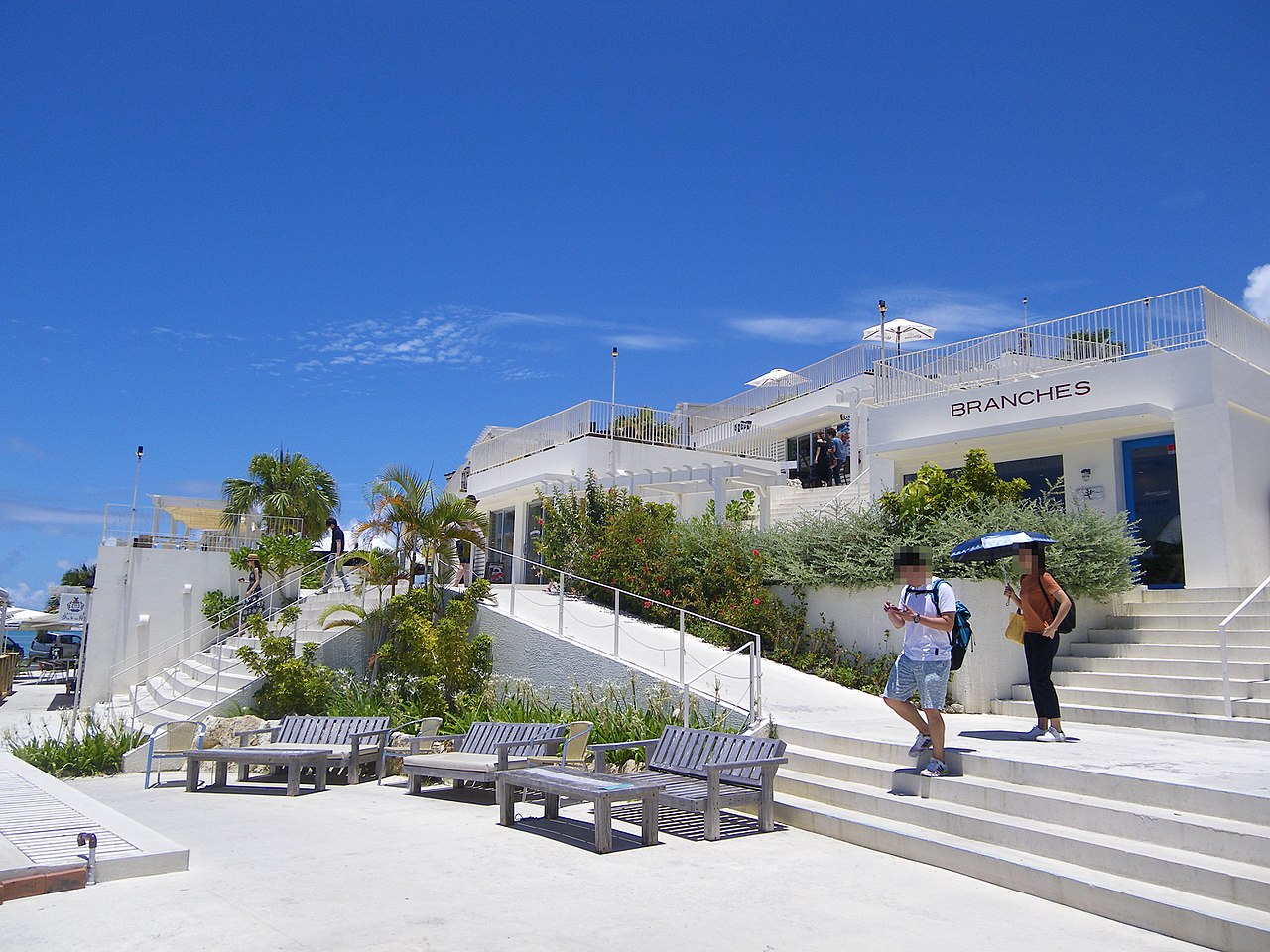
White terraced buildings cascade down a sun-drenched hillside while a warm Mediterranean breeze carries the scent of the sea. An orange sunset bleeds across the horizon as a passenger jet thunders overhead, descending toward the runway. But this is not Santorini. This is Senaga Island, just 15 minutes by car from Naha Airport in southern Okinawa. On this tiny island with a circumference of only 1.8 kilometers, Umikaji Terrace opened in 2015 with 47 shops and restaurants lining the western slope in white, flat-roofed buildings that have earned it the nickname "Okinawa's Santorini" on social media. Millions visit every year.
Fifteen Minutes from Naha Airport to the Mediterranean
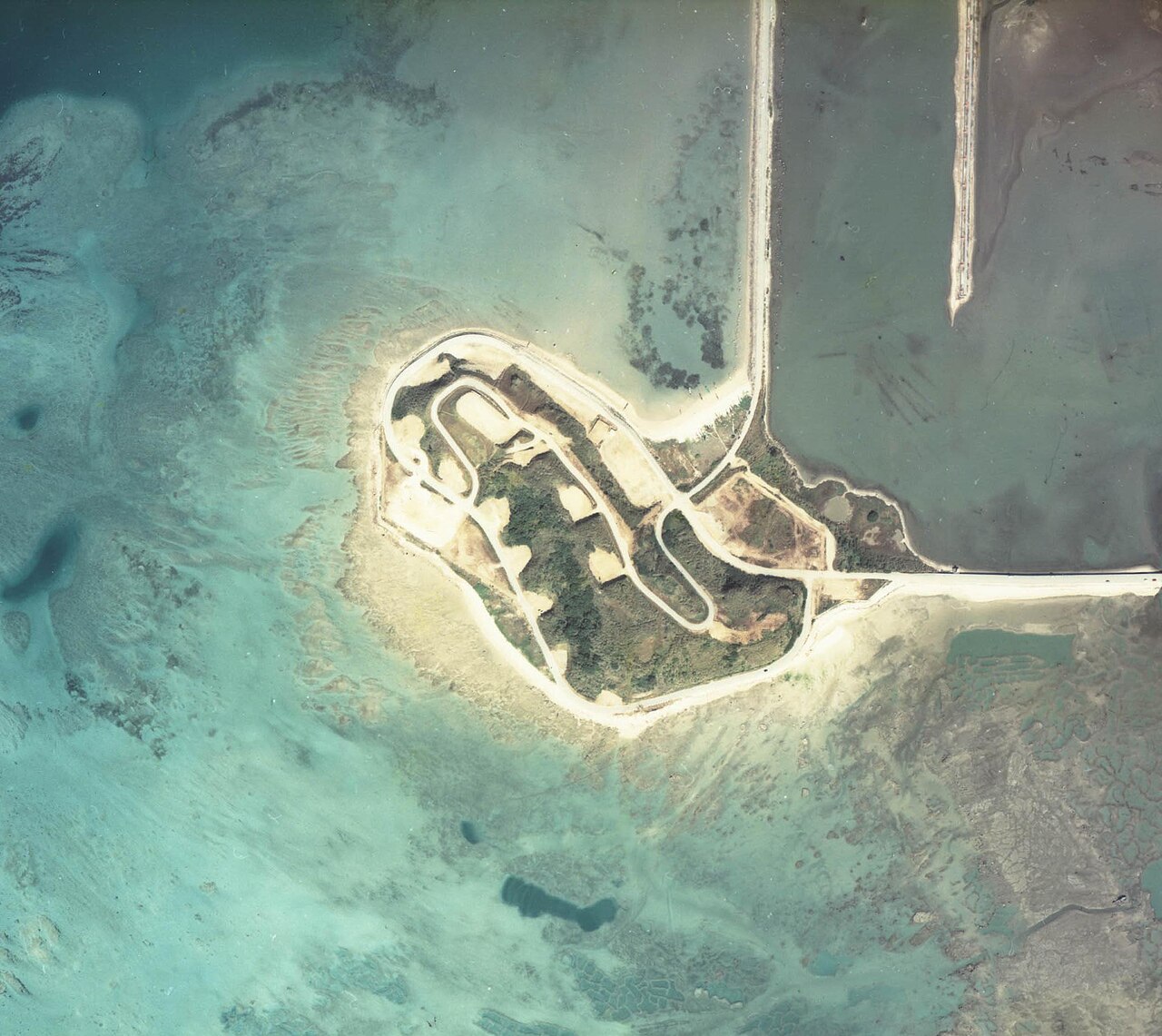
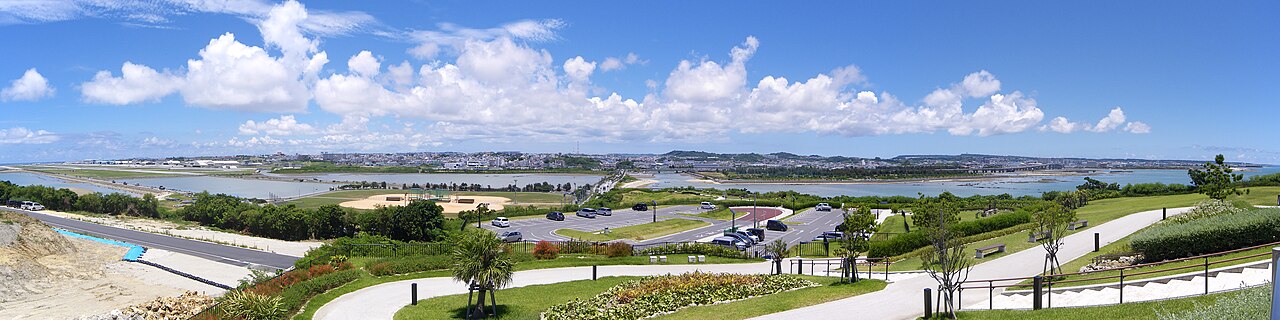
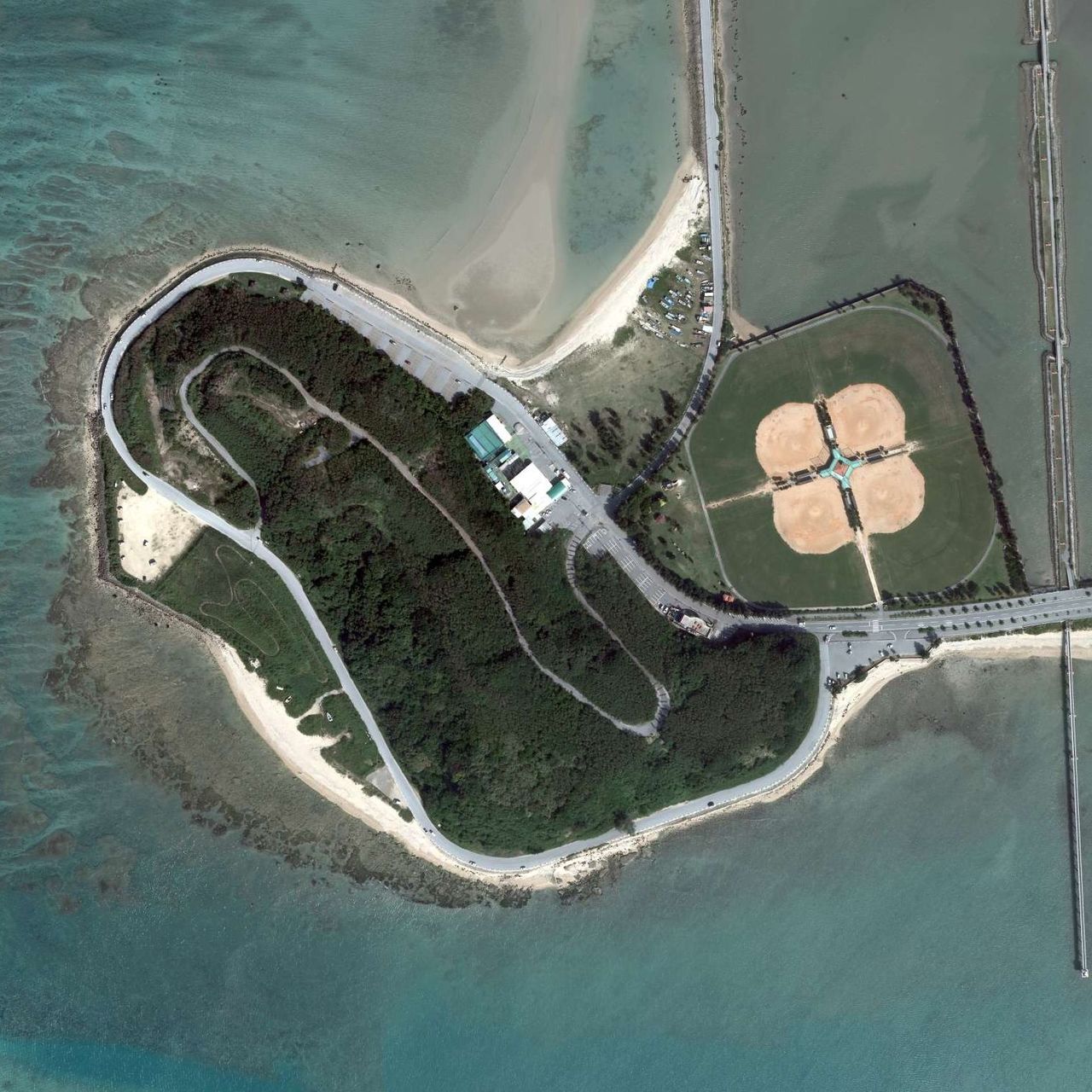
Senaga Island (Senagajima, 瀬長島) sits approximately 3 kilometers south of Naha Airport, reachable in roughly 15 minutes by car. The island has a circumference of about 1.8 km and an area of just 0.18 km². In earlier times, it could only be reached on foot at low tide, but since a causeway (kaichuu douro) was built in 2003, vehicles can freely cross. The island's highest point reaches about 33 meters above sea level, and its entire western slope opens toward the East China Sea, offering unobstructed ocean panoramas and sunsets that leave visitors breathless.
The extraordinary proximity to the airport makes Senaga Island the perfect first stop after picking up your rental car or the ideal last destination before dropping it off. Starting and ending your Okinawa trip at Senaga Island has become a classic itinerary among seasoned travelers. From Naha Airport, head south on Route 331 for about 10 minutes until you see the Senaga Island entrance.
The History of Senaga Island — From Sacred Ground to Military Base to Resort
Senaga Island has been a place of spiritual significance since the Ryukyu Kingdom era. The island once housed Senaga Gusuku, one of the Eight Shrines of Ryukyu (Ryukyu Hassha), and a sacred well at the summit called "Kodakara no Izumi" (Spring of Fertility) was venerated as a site for prayers for prosperity and progeny. After the Battle of Okinawa in 1945, the United States Air Force seized the entire island, installing ammunition depots and communications facilities. Residents were forcibly relocated.
The island was not returned until 1977. For decades afterward it sat largely vacant — a forgotten patch of land in the shadow of the airport. Transformation came in two waves: the Ryukyu Onsen Senagajima Hotel opened in 2006, followed by Umikaji Terrace in 2015, together reinventing the island as one of Okinawa's most photogenic destinations. Today, the convergence of history, hot springs, dining, and sunset views makes Senaga Island a microcosm of Okinawa's layered identity.
Umikaji Terrace — A Complete Guide to 47 Shops on a Mediterranean Hillside
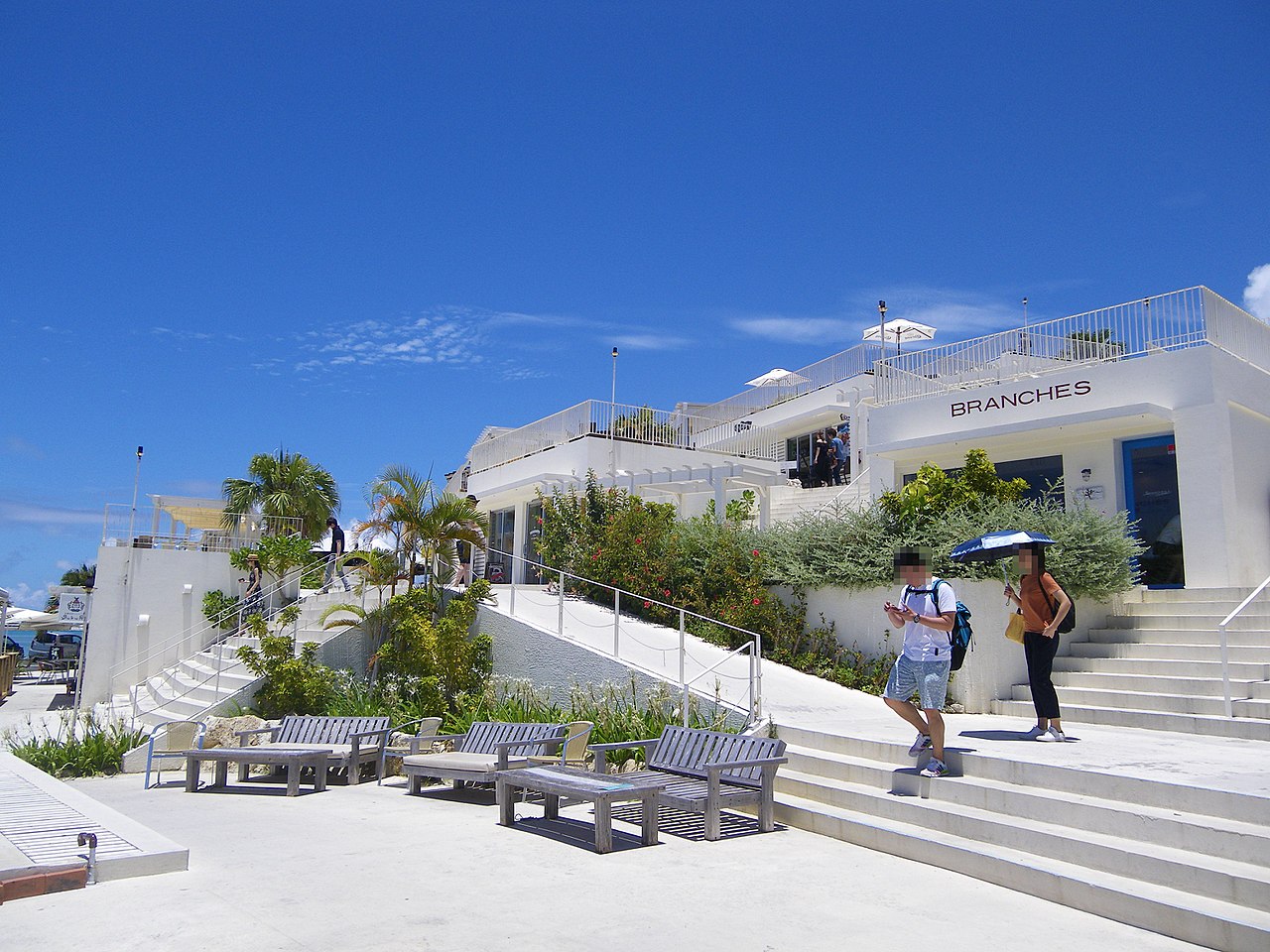
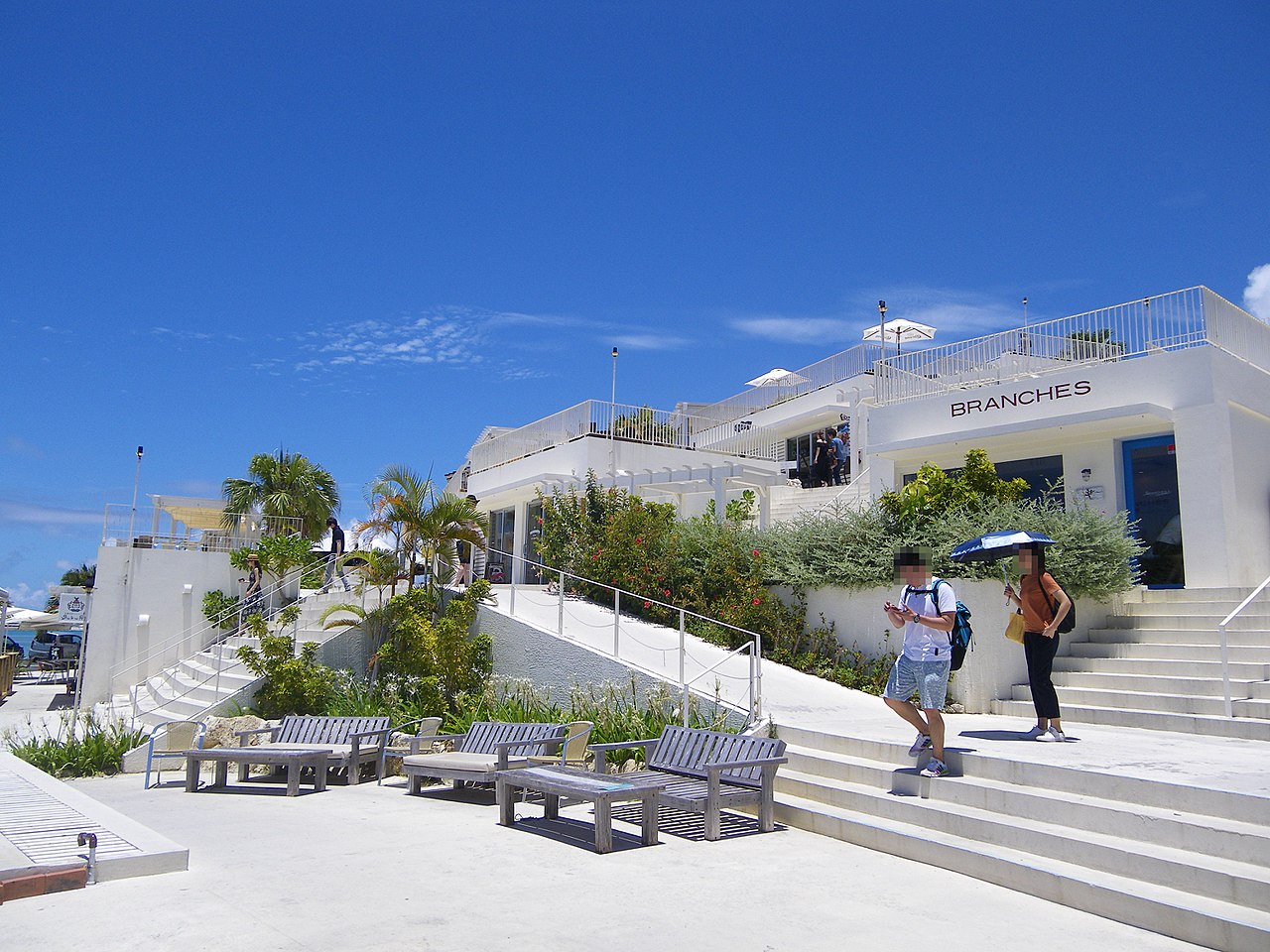
Umikaji Terrace (ウミカジテラス) opened in 2015 as an open-air commercial complex on Senaga Island's western slope. Its 47 shops and restaurants are arranged in terraced rows that descend toward the shore. White-walled buildings with flat roofs and open-air terrace seating channel the architectural spirit of Santorini. Admission is free. Individual store hours vary but generally fall between 10:00 and 21:00 (some cafes stay open until 22:00).
The complex is organized across roughly three tiers. From the top level (parking area), visitors descend via staircases toward the waterfront. The upper tier clusters accessory shops, aroma boutiques, and craft stores. The middle tier concentrates restaurants and cafes with panoramic seating. The lower tier, closest to the beach, houses takeaway food stalls and gelato counters. The most popular time to visit is one hour before sunset through just after, when parking lots can fill to capacity.
The layout encourages a relaxed, wandering pace. Unlike a conventional shopping mall, Umikaji Terrace is designed so that every turn reveals a new ocean view. Benches and low walls throughout the terraces serve as impromptu photo backdrops — the white structures framing the blue sea have generated millions of Instagram posts tagged #ウミカジテラス. On clear days, you can see the Kerama Islands in the distance, adding another layer to an already cinematic setting.
Food and Cafes — What to Eat on Senaga Island
Taco Rice Cafe Kijimuna serves Okinawa's iconic taco rice on a terrace with sweeping ocean views. Original taco rice starts at 850 yen. Hammock Cafe La Isla lets you sway in a hammock while sipping a tropical smoothie and gazing at the sea — an experience that epitomizes the laid-back Okinawan spirit. Okinawa Handmade Gelato Yukishio uses snow salt from Miyako Island; a single scoop runs 400 yen, a double 600 yen. This is the most Instagrammed treat at Umikaji Terrace.
EIBUN reimagines Okinawa soba with a modern, stylish presentation — the classic pork belly soba costs 800 yen. Chimfugas Burger features an Ishigaki beef patty at 1,200 yen that drips with umami-rich juices. Thai Food SIAM offers green curry for 980 yen, pairing Southeast Asian flavors with an ocean backdrop. STEM serves hand-squeezed lemonade at 550 yen, perfect for sipping while you explore. On weekends, lines form at the most popular shops, so weekday visits or arriving right at opening offer the most relaxed experience.
Budget-minded travelers will appreciate the takeaway food stalls on the lower tier. Freshly fried Okinawan donuts, shaved ice (kakigori) piled high with tropical fruit, and local craft beer can all be enjoyed picnic-style on the beachside benches. A satisfying meal at Umikaji Terrace typically costs between 800 and 1,500 yen per person.
Sunset Paradise — The Five Best Photo Spots
Senaga Island ranks among the finest sunset locations on Okinawa's main island. Its west-facing geography means the sun sinks unobstructed into the East China Sea, and the added spectacle of aircraft silhouetted against the glowing sky creates a visual experience found nowhere else in Japan.
Spot 1: Umikaji Terrace Central Staircase. The sunset framed between white buildings is pure Santorini. Position yourself on the mid-level stairs for the most symmetrical composition. Spot 2: Senaga Island Beach (West Coast). Sit on the sand and watch the sun melt into the horizon at eye level. The beach is small and uncrowded compared to Okinawa's famous resort beaches. Spot 3: Summit Observation Area. At 33 meters above sea level, this vantage point lets you capture the airport runway and sunset in a single frame — jets landing against an orange sky. Spot 4: Ryukyu Onsen Hotel Infinity Pool. Exclusively for hotel guests, watching the sunset while submerged in the pool is arguably Okinawa's most luxurious sunset experience. Spot 5: Causeway Entrance. Stand at the point where the causeway meets the mainland for a shot of the entire island silhouetted against the setting sun.
Sunset times shift significantly by season: summer (June through August) brings sunsets between 19:00 and 19:30, while winter (December through February) sees the sun set between 17:30 and 18:00. The optimal photography window is 30 minutes before through 15 minutes after sunset, when the sky cycles through gold, tangerine, rose, and violet. Among local photographers, capturing a jet silhouette crossing the setting sun is the quintessential "Senaga Island shot."
Hot Springs and Hotel — Ryukyu Onsen Senagajima Hotel
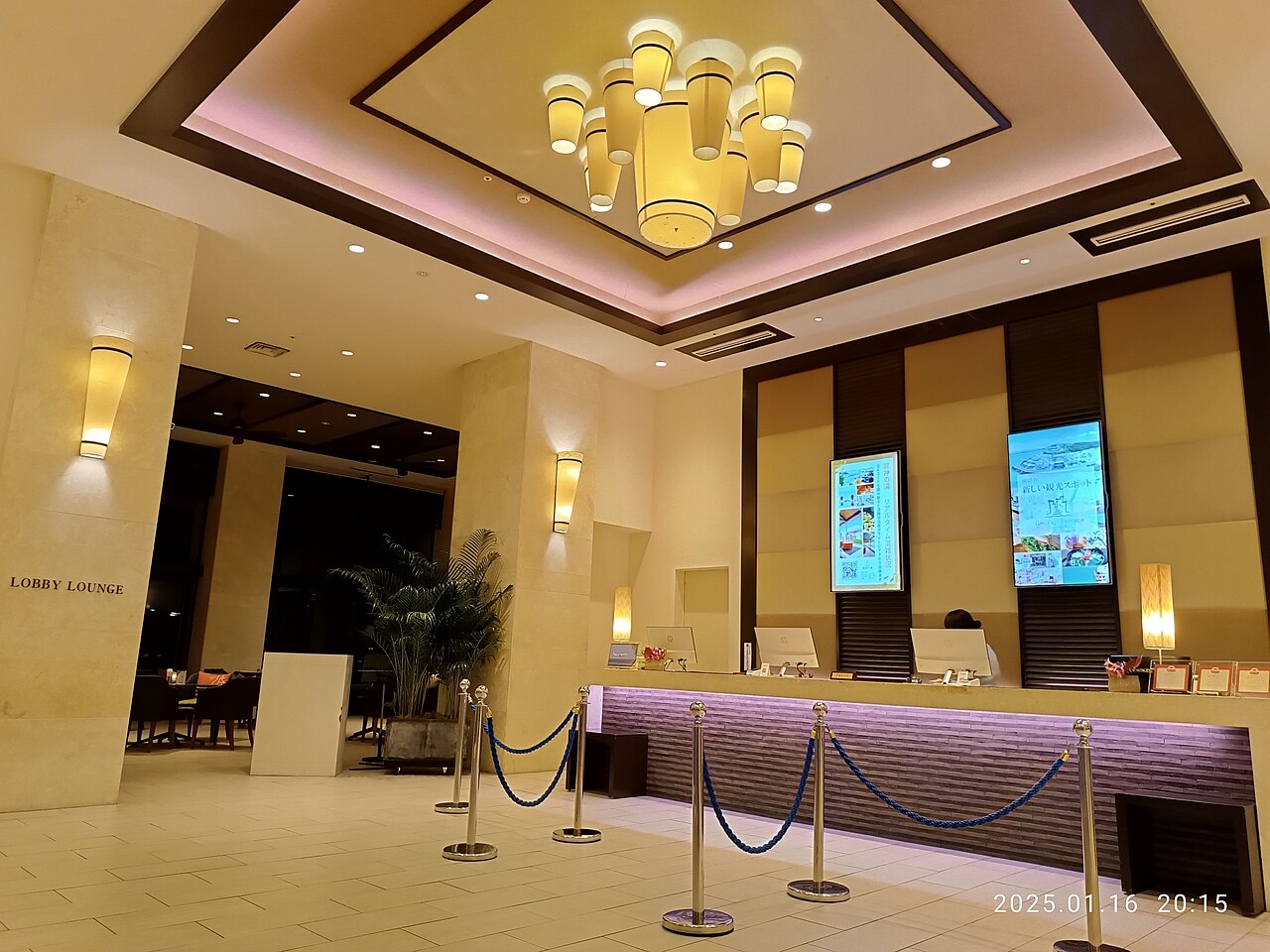
The Ryukyu Onsen Senagajima Hotel (琉球温泉 瀬長島ホテル) crowns the summit of Senaga Island. Its natural hot spring water, drawn from 1,000 meters underground, is classified as a sodium chloride concentrated hot spring — a rarity on Okinawa's main island, where genuine onsen are scarce. Hotel guests enjoy complimentary access to the full bathing facility, including open-air baths with ocean views. Day-use bathing is available to non-guests at 1,500 yen (1,700 yen on weekends and holidays), with hours from 6:00 to 24:00.
The open-air bath overlooks the entire East China Sea, and bathing at sunset is transcendent — soaking in mineral-rich water while the sky shifts from blue to amber to pink. The hotel's infinity pool, designed to appear as though it extends endlessly into the ocean, is reserved for overnight guests. Rooms start from approximately 18,000 yen for an ocean-view twin. Thanks to its airport proximity, the hotel is especially popular as a first-night or last-night stay. A free shuttle bus runs between the hotel and the airport (about 10 minutes, several times daily).
Even if you are not staying overnight, the day-use onsen makes an excellent way to decompress after a long flight or to relax before heading to the airport. The combination of genuine hot spring water, ocean panoramas, and the rumble of passing aircraft creates an onsen experience unlike any other in Japan.
Visitor Guide and FAQ
Getting There
By rental car: From Naha Airport, drive south on Route 331 for approximately 15 minutes. At the Senaga Island entrance intersection, cross the causeway and you have arrived. Parking is free with capacity for approximately 700 vehicles, but on weekends during sunset hours (17:00-19:00) it can fill up. In that case, use the parking area on the opposite side of the island. By bus: A free shuttle bus operates from Akamine Station (the southern terminus of the Yui Rail monorail), taking about 15 minutes at 30-minute to 1-hour intervals. Akamine Station is just one stop (3 minutes) from Naha Airport on the Yui Rail. By taxi: Approximately 1,500 to 2,000 yen from Naha Airport.
Q. How much time should I allocate for Senaga Island?
A. For a leisurely stroll around Umikaji Terrace with a meal, 2 to 3 hours is sufficient. To include the onsen and sunset, plan for a half day (4 to 5 hours). If you stay overnight at the hotel, you can enjoy the island at a completely relaxed pace.
Q. Do planes really fly directly overhead?
A. Yes. Senaga Island is only about 600 meters from the southern end of Naha Airport's runway. Aircraft on approach pass at altitudes of roughly 50 to 70 meters above the island's northern observation area, creating a thrilling spectacle for aviation enthusiasts and photographers alike. The combination of jet engines, ocean wind, and golden-hour light makes for extraordinary video footage as well.
Q. Can I visit without a rental car?
A. Absolutely. The free shuttle bus from Akamine Station reaches the island in about 15 minutes. However, having a rental car makes it effortless to swing by Senaga Island immediately after arriving in Okinawa or just before departing — the ultimate convenience for a first or last stop.
Q. Is it worth visiting in the rain?
A. Umikaji Terrace is an open-air facility, so rainy conditions limit outdoor strolling. However, many shops and restaurants have covered areas, and the Ryukyu Onsen Hotel's hot springs operate rain or shine. A rain-veiled sea can actually lend an atmospheric, moody quality to photographs that sunny days cannot match.
Q. What is the best time of day to visit?
A. 4:00 PM through just after sunset is ideal, combining shopping and dining with golden-hour scenery. To avoid crowds entirely, visit on a weekday morning (10:00 to 12:00), when you can photograph the white terraces in soft light with few people in frame.


