Why Choose Okinawa for Your Workation
Imagine opening your laptop at a beachside cafe, turquoise waves rolling in just beyond the window. Just three years ago, "remote work from Okinawa" was a fantasy reserved for a lucky few. But since Japan launched its Digital Nomad Visa in April 2024, everything has changed. Okinawa Prefecture has expanded its workation subsidy programs since 2025, and co-working spaces and long-stay accommodations are multiplying rapidly across the island chain.
- Digital Nomad Visa: up to 6 months, annual income requirement of 10 million yen
- Co-working: 1,000-3,000 yen/day or 15,000-30,000 yen/month
- Monthly living costs: 150,000-250,000 yen (approx. USD 1,000-1,700)
- Internet: co-working average 100-300 Mbps, hotels 50-200 Mbps
Here is why Okinawa stands out as a workation destination:
- Year-round warm climate — Winter lows rarely dip below 15C (59F), with abundant sunshine
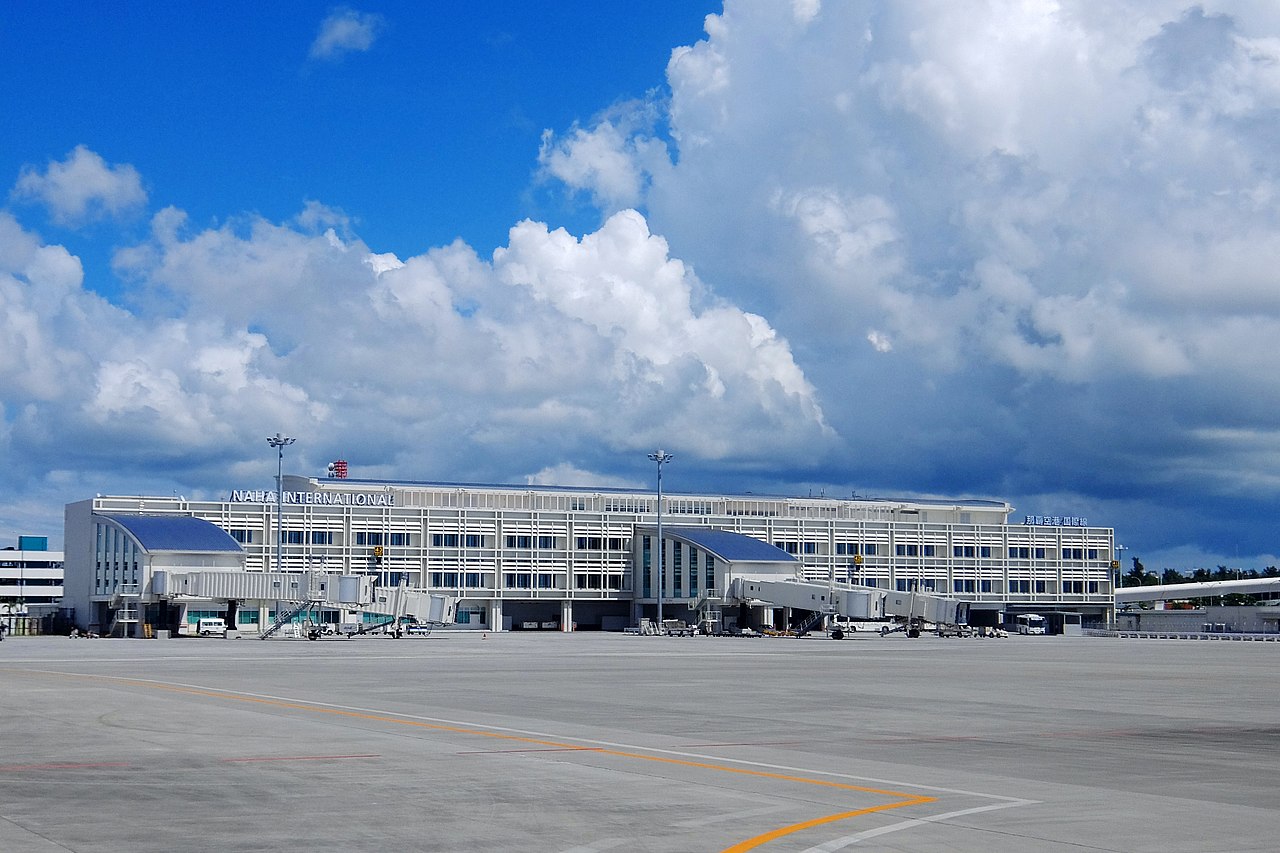
- 2.5 hours from Tokyo — Over 40 daily domestic flights, plus LCC options
- Lower cost of living — Accommodation is 30-50% cheaper than Tokyo
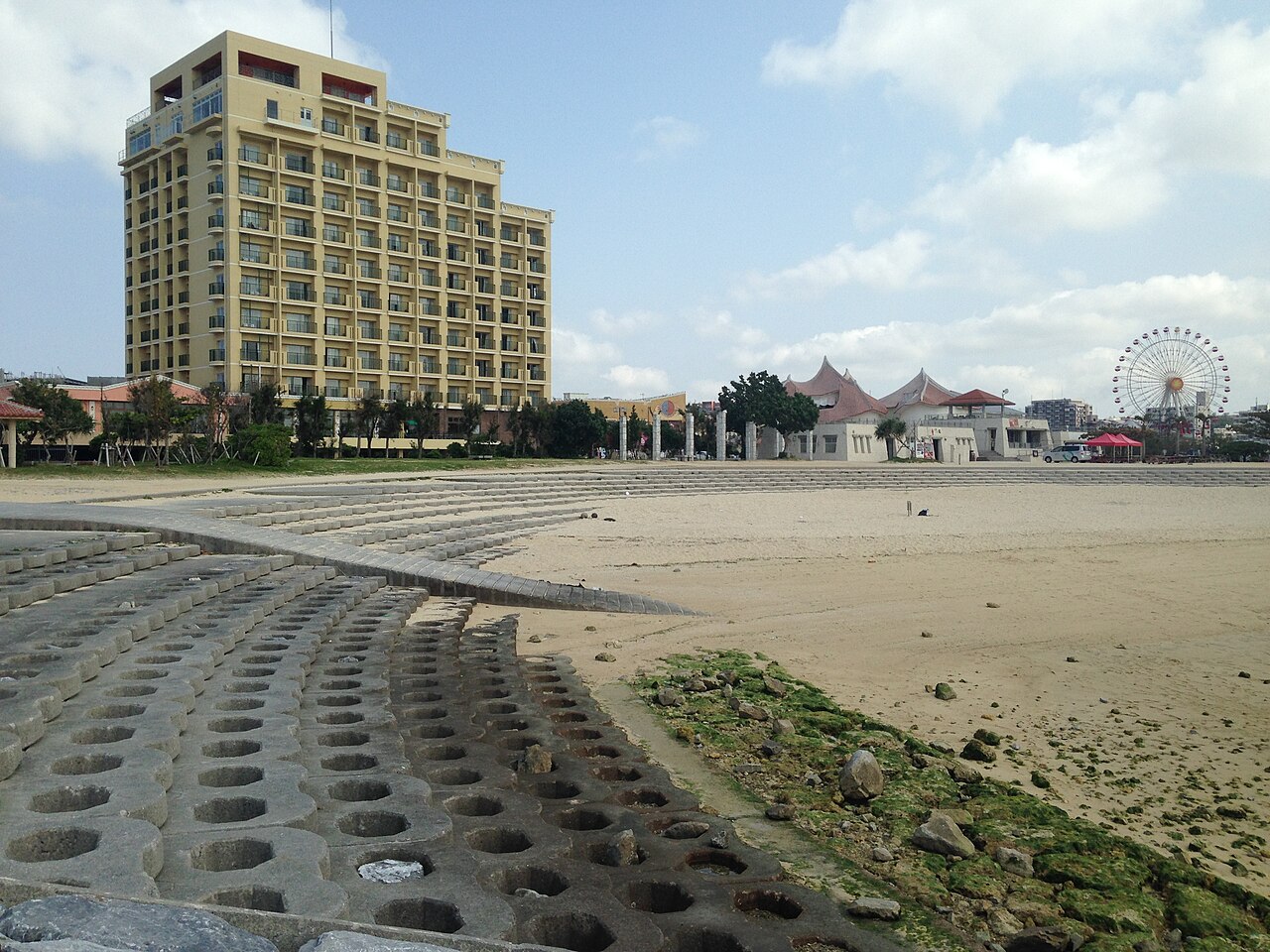
- Nature at your doorstep — Beaches within a 5-minute walk from most workspaces
- Government support — Okinawa Prefecture and Naha City offer workation subsidies
- Thriving community — Growing international digital nomad scene, especially in Chatan and Naha
Japan Digital Nomad Visa Guide
In April 2024, Japan officially launched the Digital Nomad Visa (Designated Activities — Digital Nomad), a landmark move for a country historically known for strict immigration policies. This visa allows foreign remote workers to live and work in Japan for up to six months while employed by overseas companies.
| Requirement | Details |
|---|---|
| Maximum Stay | 6 months per year (cumulative) |
| Income Requirement | Annual income of at least 10 million yen (approx. USD 68,000) |
| Eligible Nationalities | Citizens of 49 visa-exempt countries + tax treaty nations |
| Work Conditions | Must work for a non-Japanese employer; no Japanese employment allowed |
| Health Insurance | Private health insurance covering the entire stay is mandatory |
| Family Members | Spouse and children can accompany (separate application required) |
| Taxation | No Japanese income tax on foreign-sourced income |
Important for US/EU citizens: If you are from a visa-exempt country, you can enter Japan on a 90-day tourist visa and work remotely for your overseas employer without the Digital Nomad Visa. However, if you plan to stay beyond 90 days, or if you want the legal clarity and peace of mind that comes with a designated work status, the Digital Nomad Visa is your best option.
How to apply: Applications are submitted to the nearest Japanese embassy or consulate. Required documents include proof of income (tax returns or employment contracts), valid private health insurance, and a clean criminal record. Processing typically takes 5-10 business days.
Top 5 Co-Working Spaces
Okinawa now boasts over 30 co-working spaces as of 2025. Here are the top five, carefully selected based on location, internet speed, atmosphere, and pricing.
1. howlive Naha (Naha City)
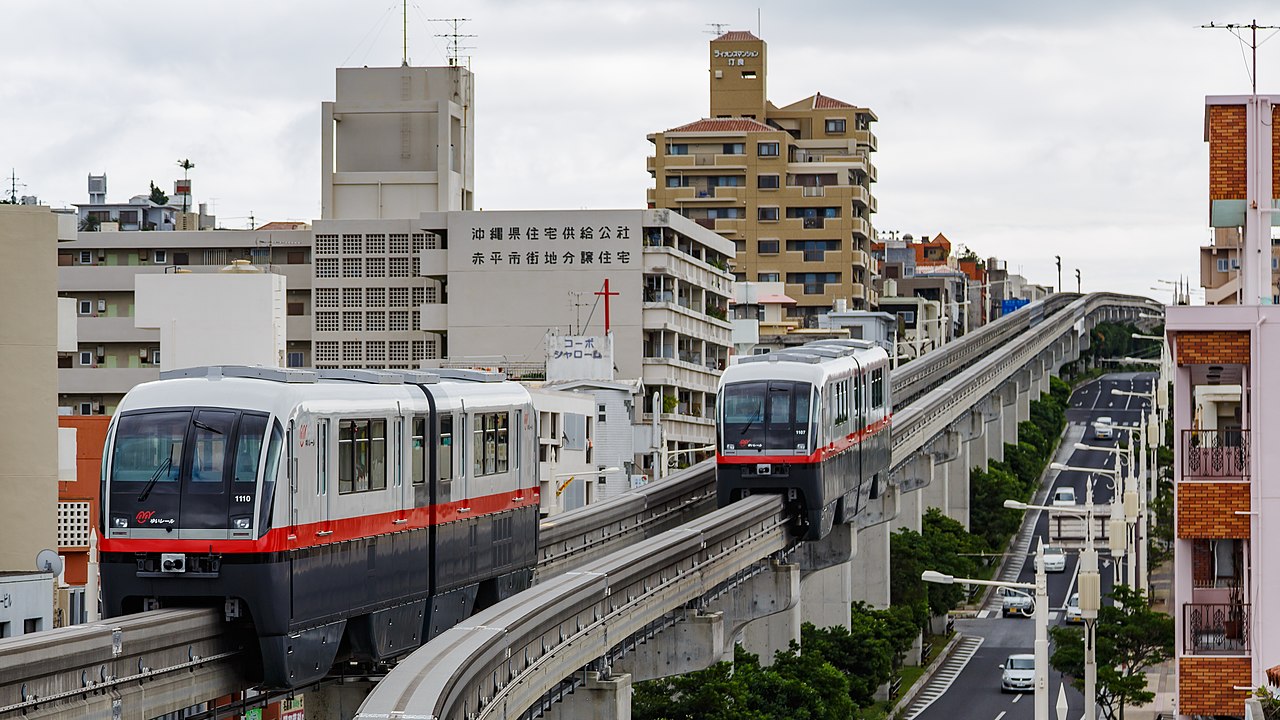
Located inside the Okinawa Times building, this is the island's flagship co-working space. 1 Gbps fiber optic internet, private booths, meeting rooms, and free coffee. Just a 5-minute walk from Omoromachi monorail station.
- Drop-in: 1,100 yen/day (approx. USD 7.50)
- Monthly: 16,500 yen/month (hot desk)
- Dedicated desk: 27,500 yen/month
2. THE BLOOM ONNA (Onna Village)
An ocean-view co-working space on Onna Village's coastline. Work with the sound of waves as your background music. Accommodation facilities on-site for seamless work-stay integration.
- Drop-in: 2,200 yen/day
- Monthly: 22,000 yen/month
3. STARTUP CAFE KOZA (Okinawa City)
A startup-focused co-working space on Koza Gate Street. Free business consulting, regular events and seminars, and a wonderfully international atmosphere thanks to the nearby former US military base community.
- Drop-in: 1,000 yen/day
- Monthly: 15,000 yen/month
4. CONTAINER CORAL (Chatan)
A beautifully renovated shipping container co-working space near American Village. Attached cafe, active creator community, and the beach is just a 3-minute walk away.
- Drop-in: 1,500 yen/day
- Monthly: 20,000 yen/month
5. CAMP Terrace Chatan (Chatan)
A terrace-style co-working space overlooking Chatan Beach. Connected to local surfer and yoga communities for the ultimate work-life balance experience.
- Drop-in: 1,800 yen/day
- Monthly: 25,000 yen/month

Long-Stay Accommodation Guide
If you are staying for more than a week, monthly apartments and guest houses offer dramatically better value than hotels. Here is a breakdown by accommodation type.
| Type | Monthly Cost | Pros | Cons |
|---|---|---|---|
| Monthly Mansion | 50,000-90,000 yen | Full kitchen & laundry, privacy | Minimum 1-month contract |
| Guest House | 30,000-60,000 yen | Community, flexible stays | Shared spaces, potential noise |
| Condominium Hotel | 80,000-150,000 yen | Hotel services + self-catering | Higher price point |
| Airbnb (monthly discount) | 60,000-120,000 yen | Wide variety, flexible dates | Quality varies significantly |
| Share House | 25,000-45,000 yen | Lowest cost, local interaction | House rules, less privacy |
Best areas for workation accommodation:
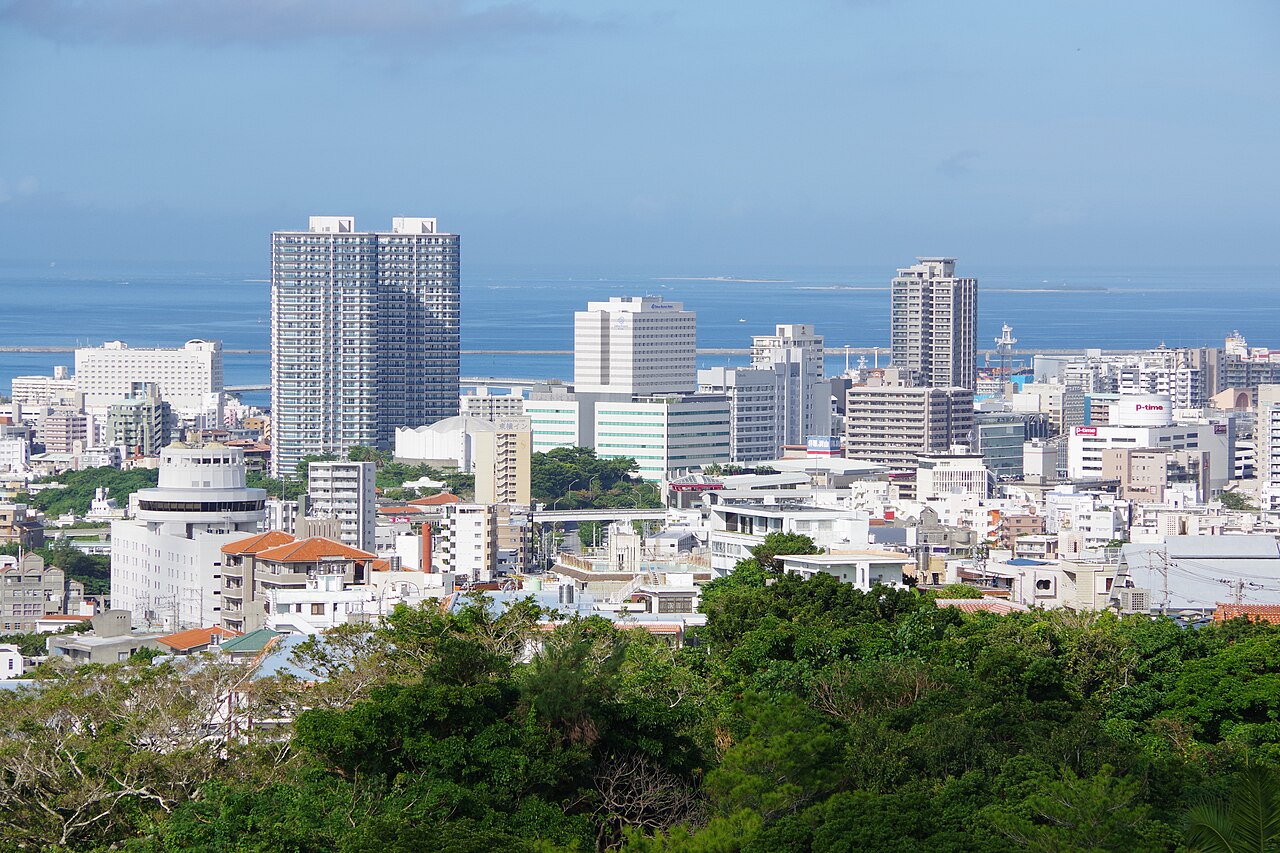
- Naha Shintoshin — Best for convenience: monorail access, shopping malls, restaurants
- Chatan — Best balance: beach lifestyle meets urban amenities, most co-working options
- Onna Village — Best for focus: resort atmosphere, ocean views, fewer distractions
Internet & Infrastructure
Reliable internet is the lifeblood of any workation. Here is an honest assessment of Okinawa's connectivity landscape.
| Location | Average Speed | Reliability | Notes |
|---|---|---|---|
| Co-working Spaces | 100-300 Mbps | Excellent | Dedicated fiber lines, best for work |
| Business Hotels | 50-200 Mbps | Very Good | Choose hotels offering wired LAN |
| Resort Hotels | 30-100 Mbps | Good | Speed drops with high occupancy |
| Cafes | 10-50 Mbps | Fair | Time limits, unstable; backup use only |
| Pocket WiFi | 20-80 Mbps | Good | Essential for mobile work sessions |
Internet strategy for digital nomads:
- Primary connection: Co-working space or accommodation wired LAN
- Backup connection: Pocket WiFi or unlimited data SIM (3,000-5,000 yen/month)
- Emergency fallback: Smartphone tethering via international roaming or local SIM
If you have frequent video calls, private phone booths at co-working spaces are essential. Most spaces offer soundproof booths (Web conference booths) at no additional charge, available by reservation. Always test your connection before critical meetings — run a speed test at fast.com or speedtest.net and ensure you have at least 25 Mbps upload for reliable HD video conferencing.
Workation Cost Simulation
What does a one-month workation in Okinawa actually cost? Here is a realistic breakdown across three budget levels. (Exchange rate: 1 USD = approx. 148 yen.)
| Category | Budget | Standard | Comfort |
|---|---|---|---|
| Accommodation | 35,000 yen (share house) | 65,000 yen (monthly apt) | 120,000 yen (condo hotel) |
| Co-working | 15,000 yen | 20,000 yen | 27,500 yen |
| Food | 40,000 yen (cook mostly) | 60,000 yen (cook + eat out) | 80,000 yen (eat out mostly) |
| Transport | 5,000 yen (monorail) | 15,000 yen (weekend car) | 40,000 yen (monthly car) |
| Internet/Phone | 3,000 yen | 5,000 yen | 5,000 yen |
| Leisure | 10,000 yen | 25,000 yen | 50,000 yen |
| Total | 108,000 yen (~USD 730) | 190,000 yen (~USD 1,280) | 322,500 yen (~USD 2,180) |
Money-saving tips:
- Food: Shop at local supermarkets (San-A, Union) and cook — saves 40% versus eating out
- Accommodation: Monthly apartments are 50-70% cheaper than hotels for stays over 2 weeks
- Transport: If based in Naha, the monorail + weekend rental car combo is the most cost-effective
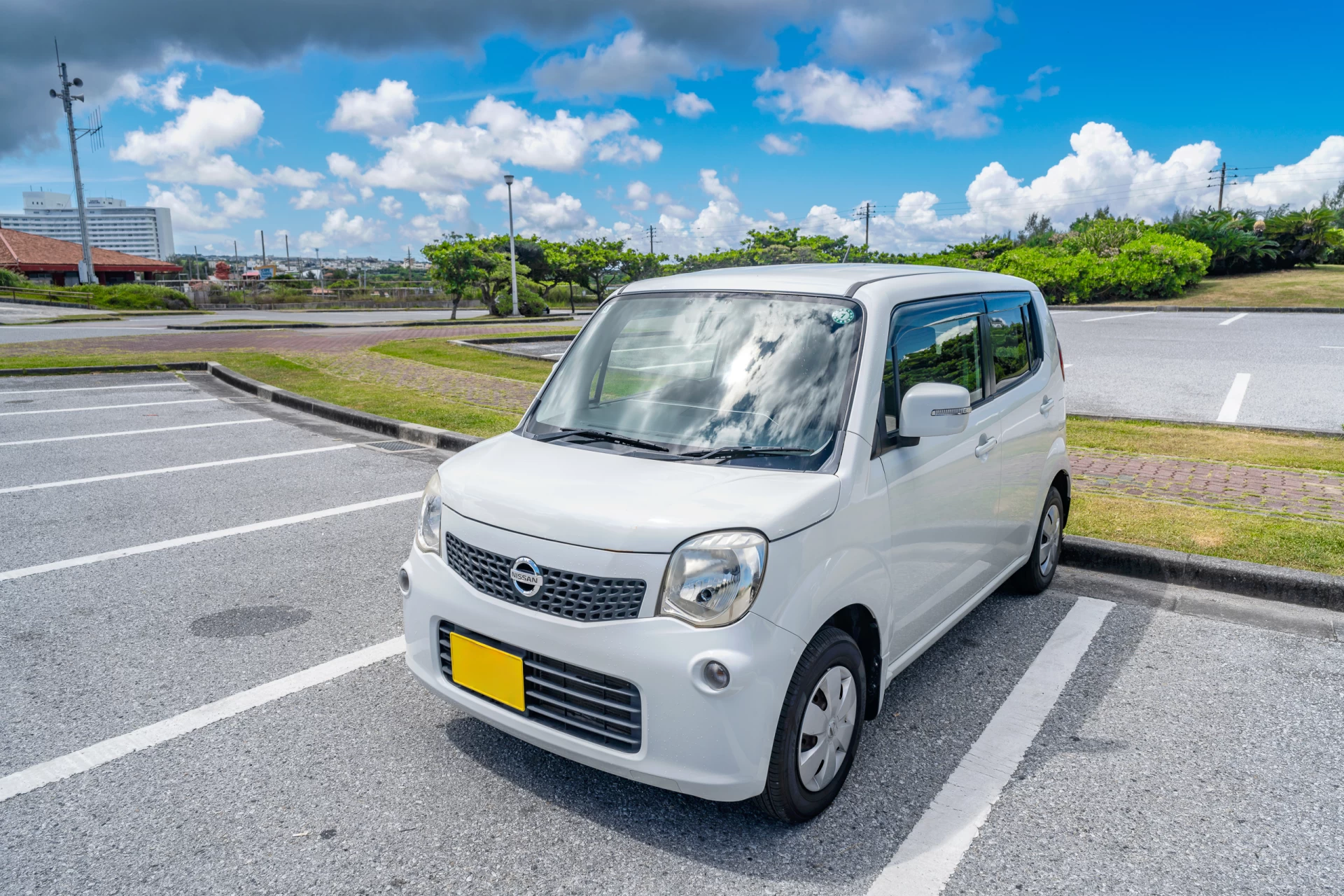
- Rental cars: Monthly rentals bring the daily rate down to 2,000-3,500 yen/day for compact cars
- Compare with Bali/Thailand: While Southeast Asian destinations are cheaper overall, Okinawa offers first-world infrastructure, safety, and healthcare at a moderate premium
_20250505155815.jpg)
Rental Car Road Trips from Your Workation Base
The real magic of an Okinawa workation reveals itself on weekends. Work hard from your co-working space Monday through Friday, then explore the island by rental car on Saturday and Sunday. This is the golden rhythm of Okinawa workation life.
Weekend Drive Course Suggestions
- Northern Route: Naha → Cape Manzamo → Nago Pineapple Park → Churaumi Aquarium → Kouri Island (round trip approx. 200 km)
- Southern Route: Naha → Sefa Utaki → Peace Memorial Park → Nirai Kanai Bridge → Umikaji Terrace (round trip approx. 80 km)
- Central Route: Naha → Ryukyu Mura → Cape Zanpa → American Village → Sunset Beach (round trip approx. 90 km)
Monthly rental car pricing:
| Vehicle Class | Monthly Rental | Weekends Only (8 days/mo) |
|---|---|---|
| Compact (Yaris class) | 60,000-90,000 yen | 32,000-48,000 yen |
| SUV (RAV4 class) | 90,000-130,000 yen | 48,000-64,000 yen |
| Minivan (Noah class) | 100,000-150,000 yen | 56,000-72,000 yen |
Drive to pristine northern beaches on weekends, then return to your ocean-view cafe desk on Monday morning — this is the new lifestyle that an Okinawa workation makes possible.

.jpg)
FAQ
Q1. Can I do a workation in Okinawa without the Digital Nomad Visa?
Yes, you can. Citizens of visa-exempt countries (including the US, UK, EU, Australia, Canada, and South Korea) can enter Japan on a 90-day tourist visa and work remotely for their overseas employer. This is a gray area that Japan has implicitly allowed. However, for stays exceeding 90 days, or if you want clear legal standing, the Digital Nomad Visa is strongly recommended. Note that you cannot work for a Japanese company or receive payment from Japanese sources on either visa type.
Q2. Is the internet fast enough for video conferencing?
Absolutely. Co-working spaces in Okinawa typically offer 100-300 Mbps fiber connections, more than enough for Zoom, Google Meet, Teams, or any other platform. Most spaces also provide soundproof private booths at no extra charge. However, avoid relying on cafe WiFi for important calls — speeds of 10-50 Mbps with multiple users can be unreliable. Always have a pocket WiFi or SIM card as backup.
Q3. How does the cost compare to other digital nomad destinations?
Okinawa sits in the mid-range for Asia-Pacific workation destinations. At USD 1,000-1,700/month (standard budget), it is more expensive than Bali (~USD 800-1,200), Chiang Mai (~USD 700-1,000), or Da Nang (~USD 600-900), but significantly cheaper than Tokyo (~USD 2,000-3,000) or Singapore (~USD 2,500-4,000). The trade-off is world-class infrastructure, safety, universal healthcare access, and first-world convenience — factors that many remote workers find worth the premium.
Q4. What about health insurance for long stays?
Private health insurance is mandatory for Digital Nomad Visa applicants and must cover the entire stay. For 90-day visa-exempt stays, travel insurance is strongly recommended but not legally required. Okinawa has several hospitals with English-speaking staff, including Naha City Hospital and Chubu Hospital. Pharmacies (drugstores) like Matsumoto Kiyoshi and Daikoku Drug are everywhere and carry most common medications.
Q5. Is winter a good time for a workation?
Winter is actually the best time. From December to February, temperatures range from 15-20C (59-68F) — perfect working weather. It is the off-season for tourism, so accommodation prices drop 30-40% and rental cars are at their cheapest. You can enjoy Japan's earliest cherry blossoms (January-February) and whale watching season (January-March). Swimming is off the table, but if your primary goal is productive work with occasional exploration, winter offers the best value by far.