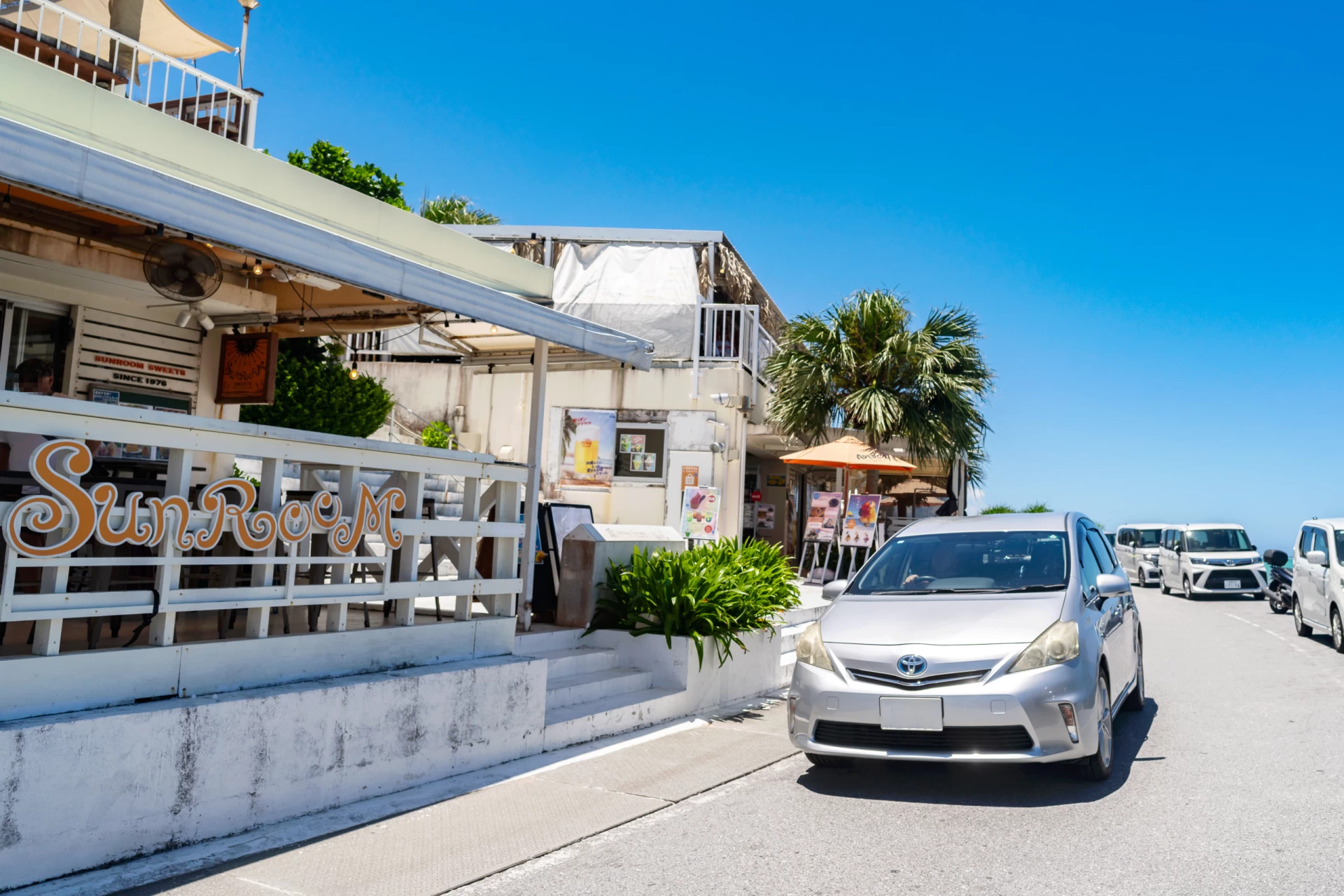
2026: The Year the World Noticed Okinawa
In 2026, Okinawa overtook Hawaii in global travel search rankings. Expedia's "2026 Trending Destinations" report placed Okinawa at number two worldwide, and the New York Times selected it for their annual "52 Places to Go" list. From Seoul, Okinawa is a 2-hour direct flight; Hawaii requires 9 hours. From Tokyo, it is under 3 hours versus 7.5 to Honolulu. But can Okinawa truly rival Hawaii as a tropical destination? This is not a simple price comparison. It is a data-driven, experience-based analysis of two fundamentally different island paradises.
Flights and Travel Time — Time Is Money
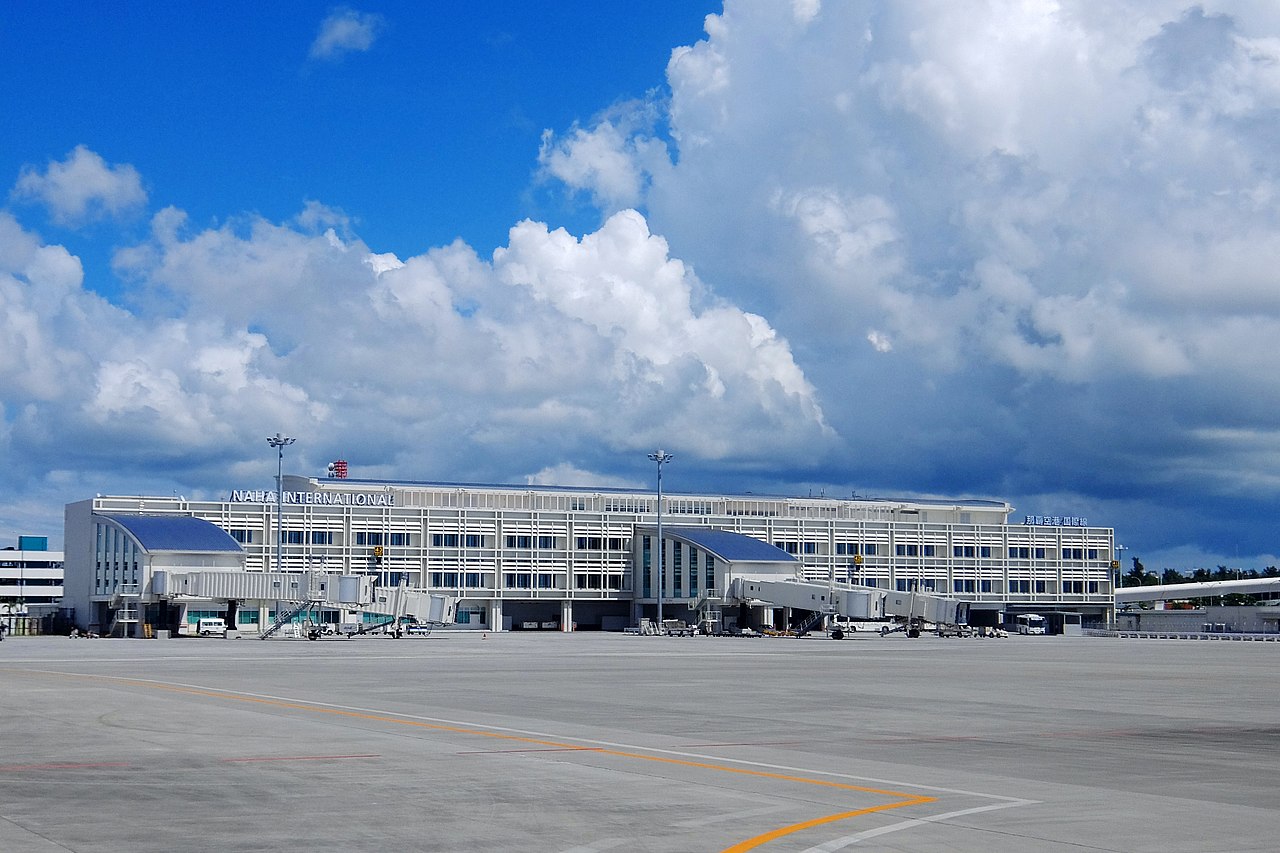
A round-trip flight from the US West Coast to Honolulu costs $400-800 and takes about 5.5 hours. From New York, it is 11 hours and $600-1,200. Okinawa, by contrast, sits at the center of Asia: 2 hours from Seoul, 1.5 hours from Taipei, under 3 hours from Tokyo. For the roughly 4.5 billion people living in Asia, Okinawa is the closest world-class tropical destination available.
The cost difference from Asian cities is staggering. A round-trip flight from Seoul to Naha on a low-cost carrier starts at $120-250, versus $700-1,500 for Seoul to Honolulu. From Tokyo, Peach Aviation offers one-way fares to Naha starting at $35 (¥5,000). Hawaii simply cannot compete on accessibility for Asian travelers.
| Origin | Okinawa (Naha) | Hawaii (Honolulu) | Difference |
|---|---|---|---|
| Seoul (ICN) | 2h 10m / $120-450 | 9h / $700-1,500 | 4-5x cost gap |
| Tokyo (NRT) | 2h 50m / $70-500 | 7h 30m / $400-1,300 | 5-6x cost gap |
| Taipei (TPE) | 1h 30m / $100-350 | 9h 30m / $800-1,500 | 4-8x cost gap |
| Los Angeles (LAX) | 12h+ (connection) / $600-1,200 | 5h 30m / $400-800 | Hawaii closer |
The one scenario where Hawaii wins on accessibility is from the Americas. For North and South American travelers, Hawaii is the logical choice. But for the rest of the world — particularly Asia, where outbound tourism is growing fastest — Okinawa is closer, cheaper, and easier to reach.
Cost of Stay — Same Budget, Different Experience
Hawaii's cost of living is among the highest in the United States, and tourist prices reflect that. A mid-range hotel in Waikiki runs $250-400 per night. In Okinawa, an equivalent ocean-view resort room costs $100-200 (¥15,000-30,000). That means the same budget buys you one extra night in Okinawa, or a significant upgrade in room quality.
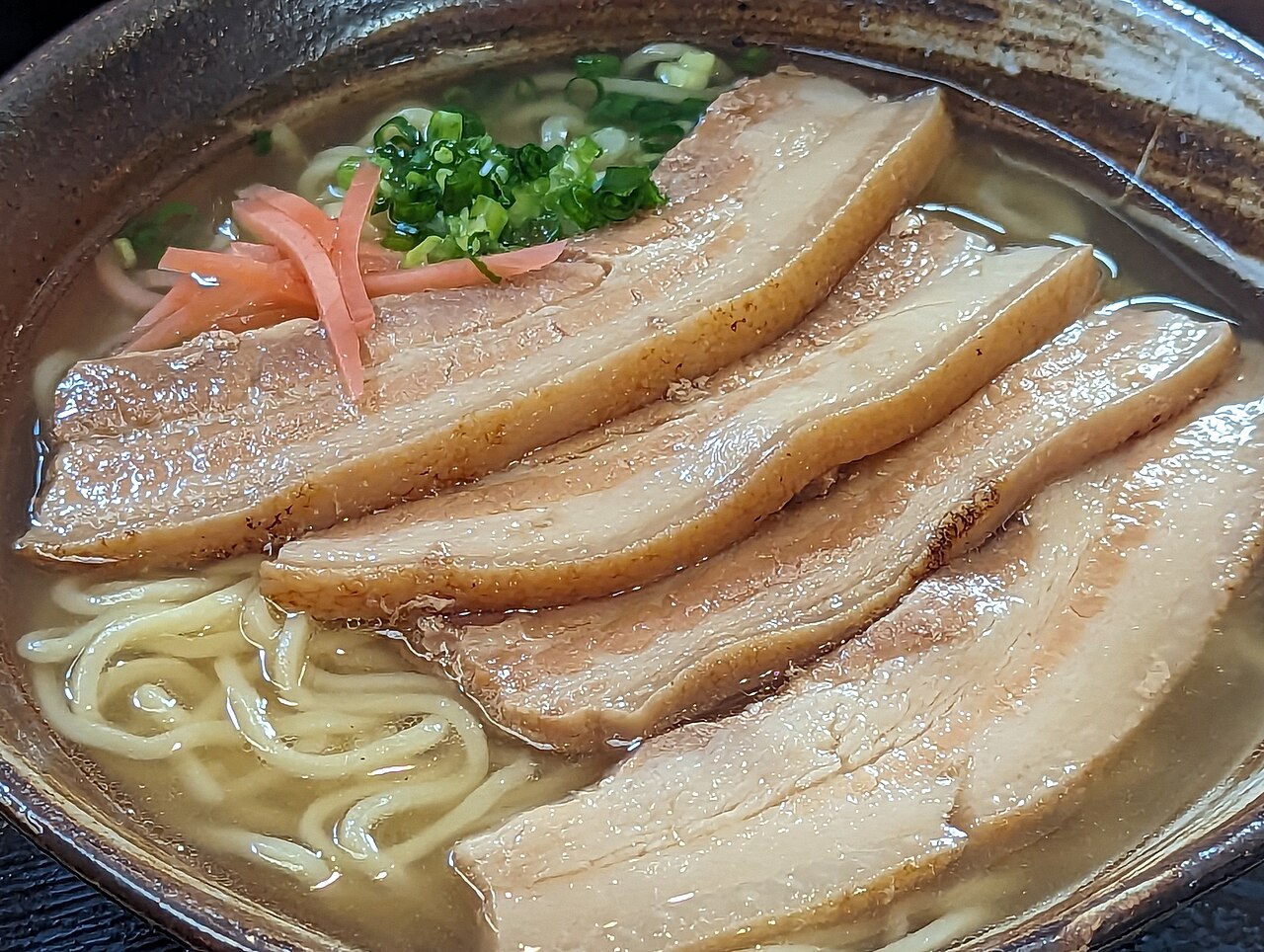
Food costs tell an even more dramatic story. A casual dinner for two in Hawaii averages $60-100. In Okinawa, a bowl of Okinawa soba costs $5 (¥750), and a full izakaya dinner for two — including drinks — runs $35-55 (¥5,000-8,000). You eat better for less, and the food is arguably more distinctive: Okinawa's cuisine blends Japanese, Chinese, and Southeast Asian influences in ways you cannot find anywhere else on Earth.
| Category | Okinawa | Hawaii |
|---|---|---|
| Mid-range hotel (per night) | $100-200 | $250-400 |
| Dinner for 2 (local restaurant) | $15-30 | $60-100 |
| Rental car (per day) | $20-55 | $80-150 |
| 5-day total budget (2 people) | $700-1,400 | $2,500-4,500 |
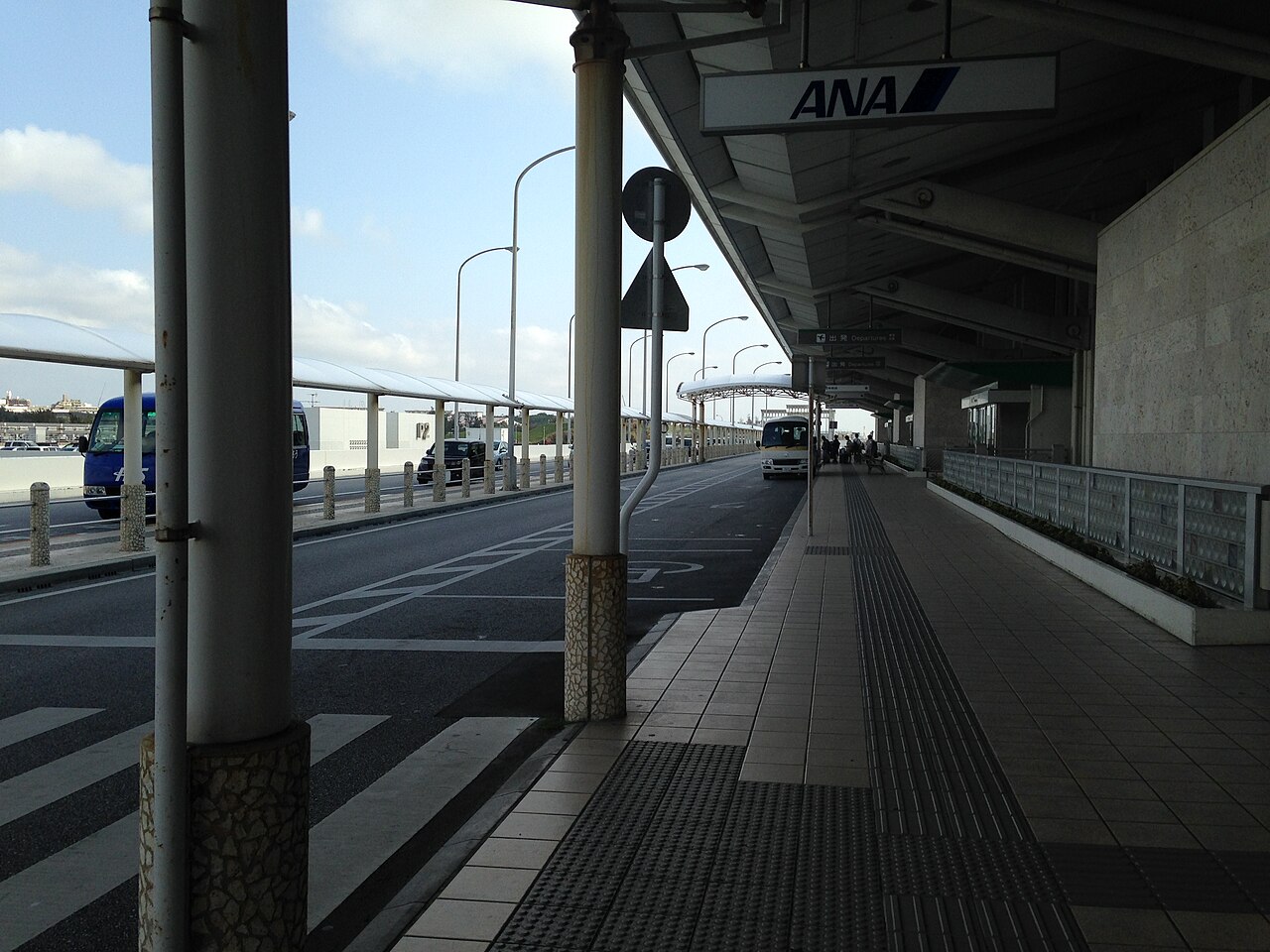
Rental car costs deserve special mention. In Hawaii, a standard sedan costs $80-150 per day. In Okinawa, compact cars start at $20 (¥3,000). The Okinawa Expressway offers an ETC flat-rate pass of just ¥3,000 ($20) for 120 hours, making toll costs essentially negligible. Overall, a 5-day trip for two in Okinawa costs 40-60% less than the equivalent in Hawaii.
Beaches and Nature — Hawaii Does Not Have a Monopoly on Paradise
Hawaii's natural credentials are undeniable: Hanauma Bay's coral reef, the North Shore's legendary surf breaks, the Na Pali Coast's dramatic sea cliffs. These are world-class experiences. But Okinawa holds its own — and in some categories, surpasses Hawaii.
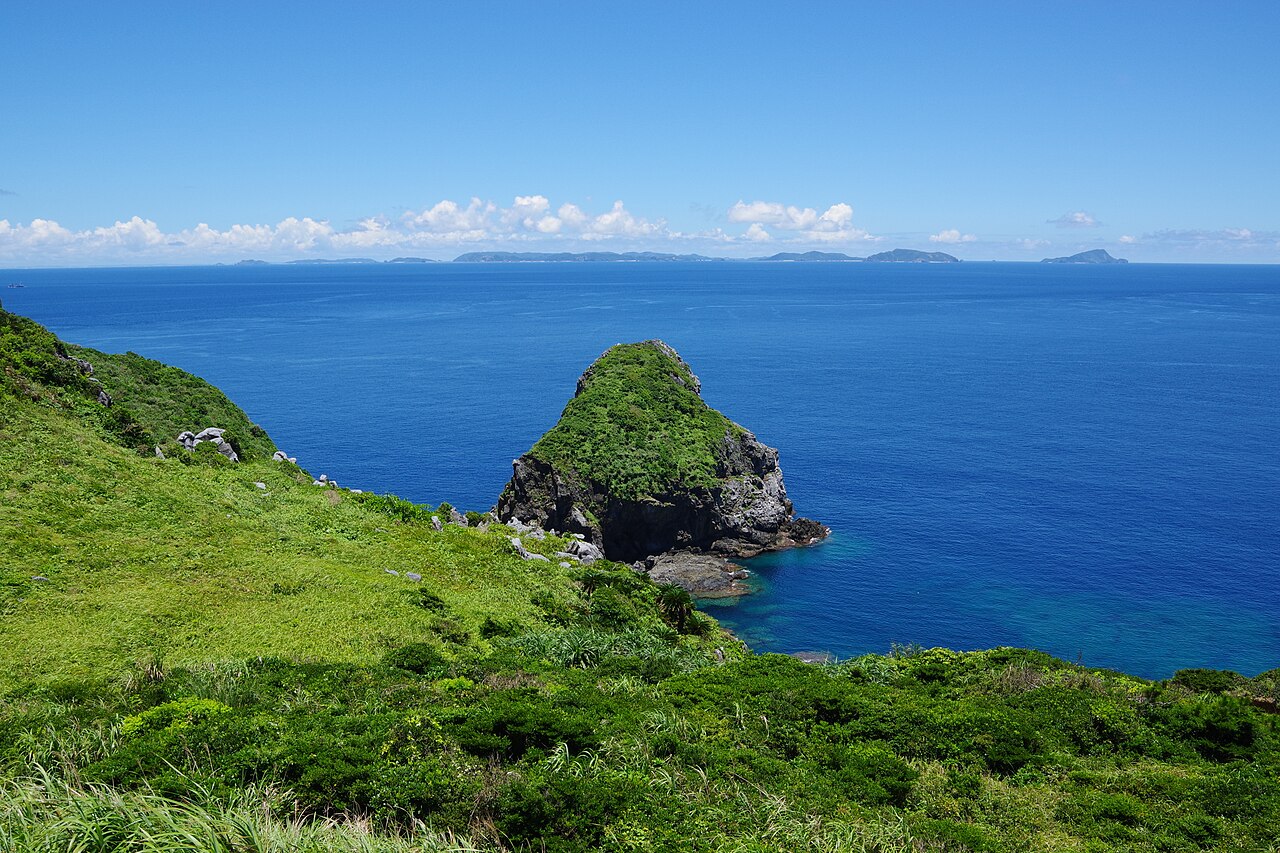
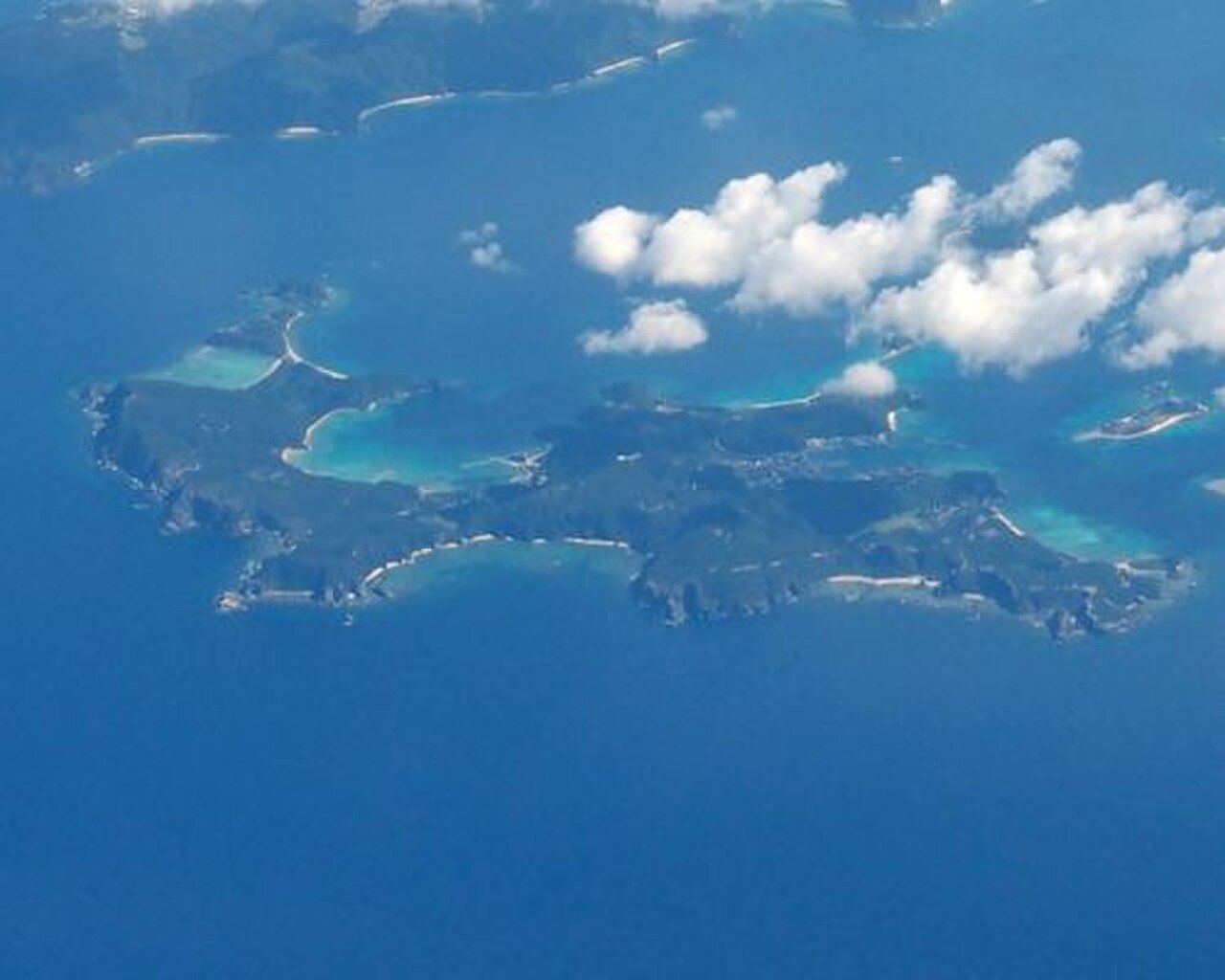
The Kerama Islands, just 50 minutes by high-speed ferry from Naha, offer water with visibility exceeding 50 meters. The global diving community has given this water its own name: "Kerama Blue." Miyako Island's Yonaha Maehama Beach, with its 7-kilometer stretch of white sand, has been repeatedly ranked as one of Asia's best beaches on TripAdvisor.
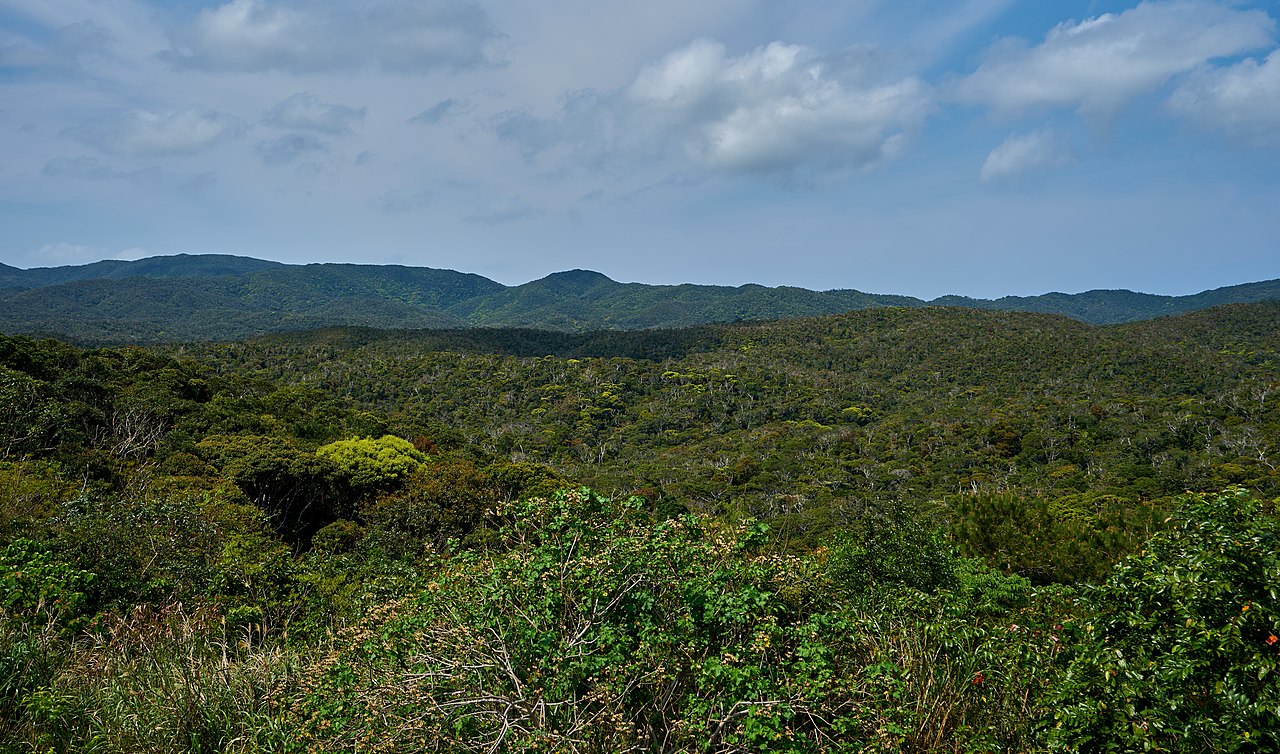
In terms of ecological diversity, Okinawa pulls ahead. The Yanbaru Forest, registered as a UNESCO World Natural Heritage Site in 2021, shelters endemic species like the Yanbaru kuina (Okinawa rail), a flightless bird found nowhere else on the planet. Iriomote Island's mangrove kayaking offers subtropical jungle experiences compared to the Amazon. If Hawaii's appeal is geological spectacle (volcanoes, lava fields), Okinawa's is biological depth.
| Category | Okinawa | Hawaii |
|---|---|---|
| Water visibility | Kerama 50m+ / main island 20-30m | Hanauma Bay 15-25m |
| UNESCO Natural Heritage | Yanbaru & Iriomote (2021) | Hawaii Volcanoes NP |
| Endemic species | Among highest in Asia | Hawaiian goose (nene) etc. |
| Diving ranking | Asia Top 3 | World Top 10 |
Cultural Depth — The Ryukyu Kingdom vs Polynesia
Hawaii's Polynesian culture is celebrated worldwide: hula dancing, luau feasts, and the birthplace of surfing. Yet much of what tourists experience has been repackaged as entertainment by the tourism industry. Okinawa's Ryukyu culture, by contrast, remains embedded in daily life. The Ryukyu Kingdom lasted 450 years as an independent maritime trading state connecting Japan, China, and Southeast Asia. That layered history is still visible today.
Shuri Castle, the kingdom's seat of power and a UNESCO World Cultural Heritage Site, is undergoing restoration in 2026. On Yachimun Street in Naha, potters fire ceramics using techniques unchanged for 400 years. During the Eisa festival each summer, entire villages perform ancestral dances passed down through generations. Okinawa has over 300 gusuku (castle) sites, nine of them UNESCO-listed.
The sacred grove of Sefa Utaki, once the holiest site in the Ryukyu Kingdom, and the elegant Shikina-en Royal Garden reveal an aesthetic that blends Chinese, Japanese, and Southeast Asian influences into something wholly original. If Hawaii's culture is one of feeling, Okinawa's is one of layers.

The Blue Zone — Okinawa's Unique Longevity Secret
Okinawa is one of only five Blue Zones on Earth — regions where the proportion of centenarians is more than 10 times the global average. Life expectancy in Okinawa is 87.4 years for women, 80.3 for men, and the reasons have been studied extensively by researchers worldwide.
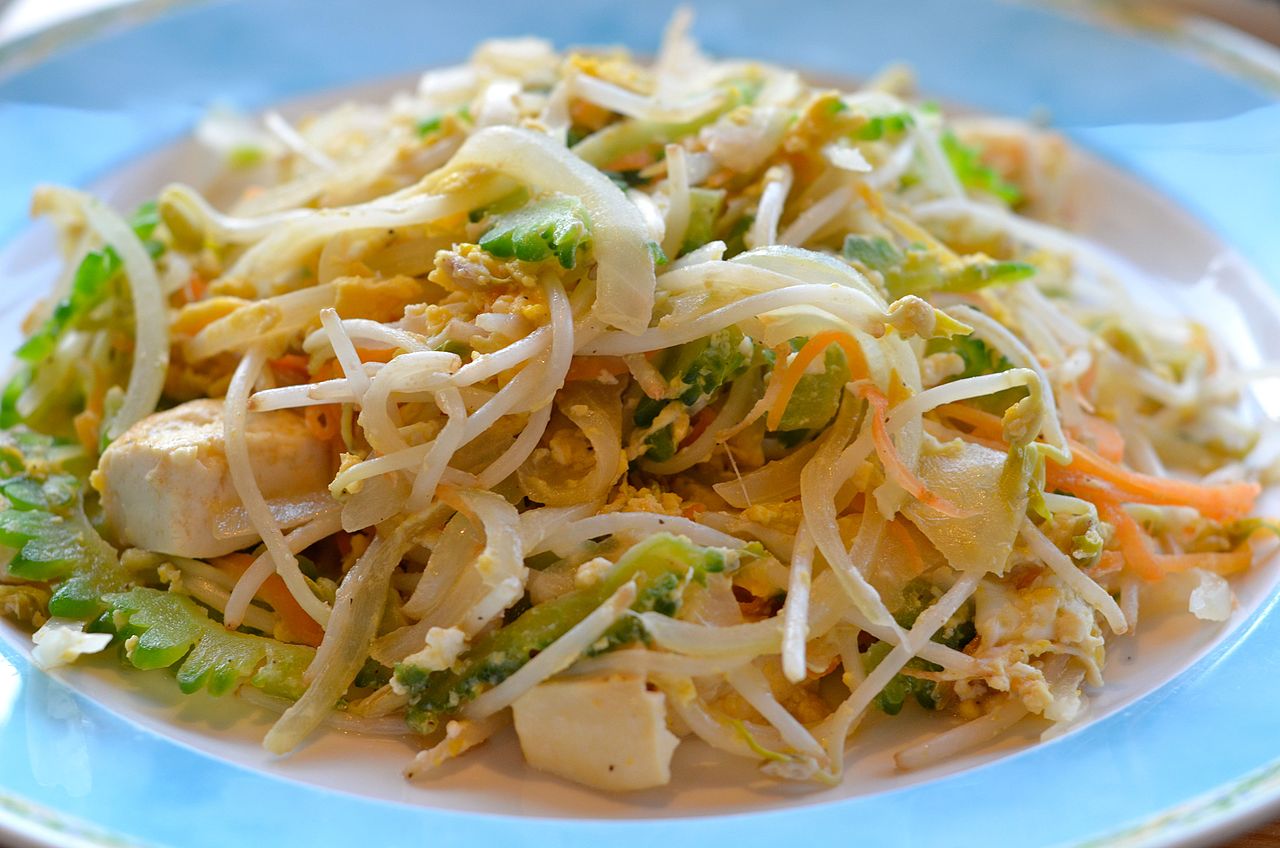
The Okinawan longevity diet centers on sweet potatoes (not rice), tofu, seaweed, and the philosophy of "hara hachi bu" — eating until you are only 80% full. This is not abstract wellness marketing. It is a scientifically documented way of life that visitors can experience firsthand. Ryukyu cooking classes teach the techniques; a visit to Ogimi Village (the "Village of Longevity") lets you dine at restaurants run by centenarians.
Hawaii promotes healthy living too, but Okinawa's Blue Zone status is backed by decades of peer-reviewed research. For travelers seeking more than sun and sand — those looking to learn something about how to live longer and better — Okinawa offers a dimension that Hawaii simply does not have.
Family Travel, Safety, and Language — The Practical Side
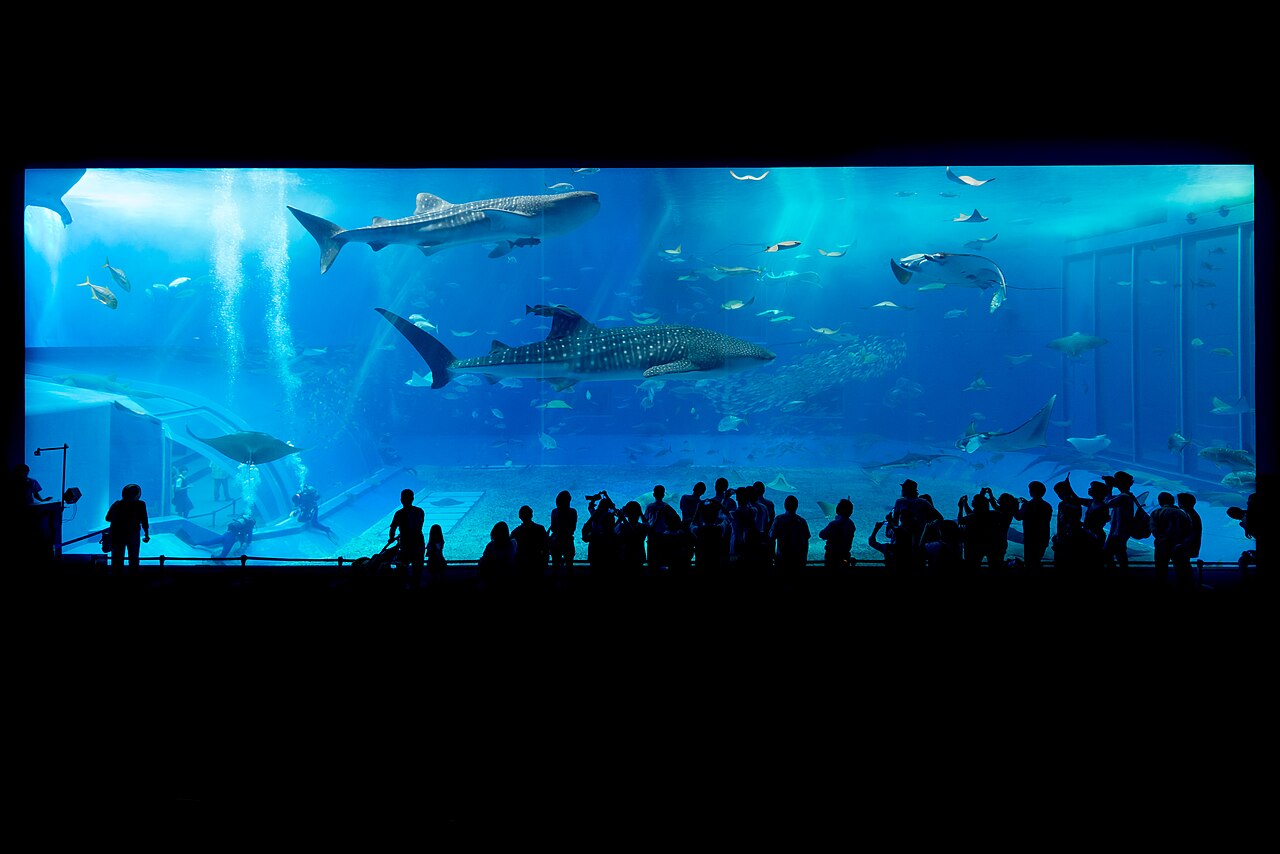
Family-friendliness is where Okinawa dominates. The Churaumi Aquarium, with 3 million annual visitors, houses one of the world's largest tanks. Admission is ¥2,180 ($15), compared to $45 at Hawaii's Sea Life Park. Bios no Oka nature park, Neopark Okinawa, and Okinawa World are spread across the main island, almost all within 30 minutes by rental car.
Safety is another area where Japan excels. Okinawa's violent crime rate is roughly one-fifth of Hawaii's. Walking alone at night feels safe throughout the island. The global travel community consistently rates Japan as one of the safest destinations for solo female travelers.
Language is Hawaii's clearest advantage. English is the primary language there, while English communication in Okinawa remains limited outside tourist hubs. However, in 2026, real-time translation tools like Google Translate's camera mode can instantly decode menus, signs, and even conversation. Major rental car companies, hotels, and attractions offer basic English support. The language barrier is real but no longer the dealbreaker it once was.
| Category | Okinawa | Hawaii |
|---|---|---|
| Family attraction admission | $3-15 | $25-45 |
| Safety (violent crime rate) | Very low (below Japan avg.) | US average level |
| English accessibility | Limited (tourist areas OK) | Full (primary language) |
| Medical costs | Japanese healthcare (travel insurance advised) | US healthcare (extremely expensive) |
Best Season Comparison — When to Go
Hawaii's greatest weather advantage is consistency: 75-86°F (24-30°C) year-round. The dry season runs April through October, and even the wet season (November to March) brings brief showers rather than sustained rain. You can visit Hawaii any month and expect good weather.
Okinawa's climate is more seasonal. The best windows are late March through May (cherry blossoms, comfortable temperatures), late June to early July (crystal-clear seas right after rainy season), and October through November (post-typhoon, water still warm). The typhoon risk from July to September is real — though direct hits average only 1-2 per month, and typhoon-free days yield the year's most transparent waters.
| Season | Okinawa | Hawaii |
|---|---|---|
| Best time to visit | Late Mar-May, Oct-Nov | Apr-Oct (nearly year-round) |
| Ocean temperature (summer) | 80-84°F (27-29°C) | 77-81°F (25-27°C) |
| Typhoon/Hurricane | Jul-Sep (4-5 approaches/year) | Jun-Nov (rare) |
| Off-season discounts | Up to 50% off in Jan-Feb | Minimal seasonal variation |
The Verdict — Hawaii Is the Dream; Okinawa Is the Reality
It would be unfair to say Okinawa "replaces" Hawaii. Hawaii offers things Okinawa cannot: the geological drama of Kilauea, the iconic Waikiki skyline at sunset, the birthplace of modern surfing. These are irreplaceable experiences. But when you weigh the 2026 realities — exchange rates, cost of living, flight times, safety, and accessibility — Okinawa delivers 80% of the tropical resort experience at 40% of the cost.
For travelers based in Asia, the math is overwhelming. A weekend trip from Seoul or Tokyo to Okinawa — fly out Friday evening, return Sunday night — is entirely realistic. No other world-class tropical destination makes that possible. For travelers from the Americas or Europe planning an Asia trip, adding Okinawa as a beach extension is far cheaper and more culturally rich than a separate Hawaii itinerary.
Keep Hawaii on your bucket list. But for this year's trip, the smart money is on Okinawa. The main island stretches just 106 km north to south. Pick up a rental car at Naha Airport, and every beach, forest, castle, and village on the island is within reach.
Frequently Asked Questions
Q. Can I travel in Okinawa with only English?
A. Yes. Rental car companies, major hotels, and tourist facilities offer basic English support. Google Translate's real-time camera mode in 2026 can instantly decode menus and signs. Rural restaurants may require a translation app, but the language barrier is manageable.
Q. Will a typhoon ruin my Okinawa trip?
A. Typhoons typically affect Okinawa for 1-2 days at a time. The ocean often becomes even clearer after a typhoon passes, and indoor attractions (aquarium, Okinawa World, cultural villages) make for flexible backup plans. Even during peak typhoon season (July-September), direct hits average just 1-2 per month.
Q. Is Okinawa's ocean really more beautiful than Hawaii's?
A. Okinawa's main island beaches are comparable to Hawaii's. But the Kerama Islands and Miyako Island offer water clarity that objectively surpasses most Hawaiian beaches. That said, Hawaii's North Shore surf and the dramatic Na Pali Coast cliffs have no equivalent in Okinawa. It depends on what you are looking for.
Q. Do I need a rental car in Okinawa?
A. For Naha city, the Yui Rail monorail covers the basics. But for the central and northern parts of the island — where most beaches, the aquarium, and nature sites are located — a rental car is essentially required. The same is true in Hawaii outside Waikiki. The difference is that Okinawa rental cars cost one-third to one-fifth of Hawaii rates.