Okinawa Sunflowers — The Secret of Summer Blooms in the Depths of Winter
Sunflowers (himawari) are universally associated with summer. In Okinawa, however, the story is entirely different. While mainland Japan shivers under snow and freezing temperatures in January and February, fields across Okinawa burst with over 10,000 sunflowers stretching toward the sun. This remarkable spectacle is made possible by Okinawa's subtropical climate and specially cultivated short-day varieties.

Why do sunflowers bloom in winter? Standard sunflowers are long-day plants that flower during the lengthy daylight hours of summer. The sunflowers grown in Okinawa, however, are short-day cultivars that form flower buds when daylight decreases. Planted in autumn, they grow through Okinawa's mild winter temperatures (averaging 15 to 17 degrees Celsius) and bloom in January and February. Since Okinawa's winter feels like spring on the mainland, sunflowers thrive without difficulty.
Kitanakagusuku Himawari Festa — Okinawa's Largest Sunflower Festival
Himawari IN Kitanakagusuku is held annually from late January to mid-February in Kitanakagusuku Village, making it Okinawa's largest sunflower festival. Located in central Okinawa about 30 minutes by car from Naha, the festival showcases over 10,000 sunflowers with completely free admission.
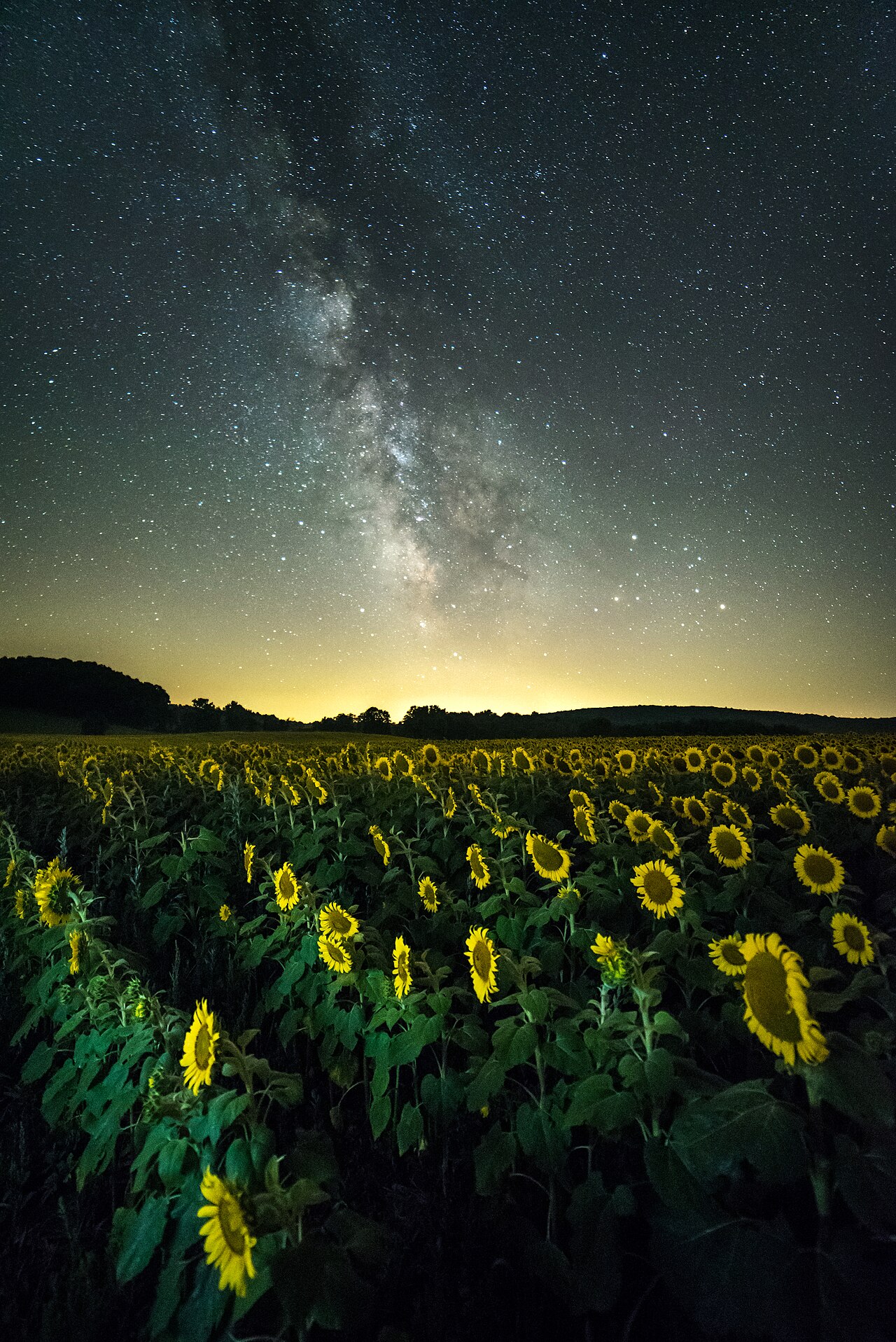
Essential Festival Information
When: Late January to mid-February (approximately 2-3 weeks)
Where: Agricultural fields in Shimoabara, Kitanakagusuku Village
Admission: Free
Scale: Approximately 10,000 to 20,000 sunflowers
Varieties: Short-day sunflowers (primarily compact dwarf cultivars)
Parking: Free temporary parking available
By rental car: About 30 minutes from Naha, 10 minutes from Okinawa-Minami IC
What Makes This Festival Special
The festival's greatest appeal is that it is completely free — no admission fee, no parking fee. Walking paths wind through the fields so you can stroll among the sunflowers and take photos. On weekends, food stalls and a farmers' market offer fresh local produce and Okinawan specialties at bargain prices.
Multiple selfie spots are set up throughout the fields for social-media-ready photos. The compact dwarf varieties keep the flowers at child's-eye level, making it perfect for family outings where even small children can pose alongside the blooms.
Nanjo City Sunflower Fields — Ocean Views Meet Golden Blooms
Nanjo City, on the southern coast of Okinawa's main island, cultivates sunflower fields each winter. While not as large as Kitanakagusuku, the location offers something uniquely special: sunflower fields with the blue Pacific Ocean as a backdrop.
The Nanjo sunflower fields sit near the Nirai Kanai Bridge and Sefa Utaki (UNESCO World Heritage Site), making them ideal for combining with southern Okinawa sightseeing. About 40 minutes by car from Naha, the sunflower season matches Kitanakagusuku at late January to mid-February. Admission is free with parking provided.
Why Okinawa Sunflowers Bloom in Winter — The Science
The phenomenon of winter-blooming sunflowers in Okinawa is a botanically fascinating case. Two key factors make it possible.
First, short-day cultivars: While standard ornamental sunflowers are long-day plants, the varieties grown in Okinawa form flower buds when day length decreases. Planted in October or November, they develop buds during winter's shorter days and bloom in January and February.
Second, the subtropical climate: Okinawa's winter averages 15 to 17 degrees Celsius, warm enough for sunflowers to survive and grow. On the mainland, sunflowers would freeze in winter, but Okinawa's mild temperatures provide the equivalent of late autumn conditions.
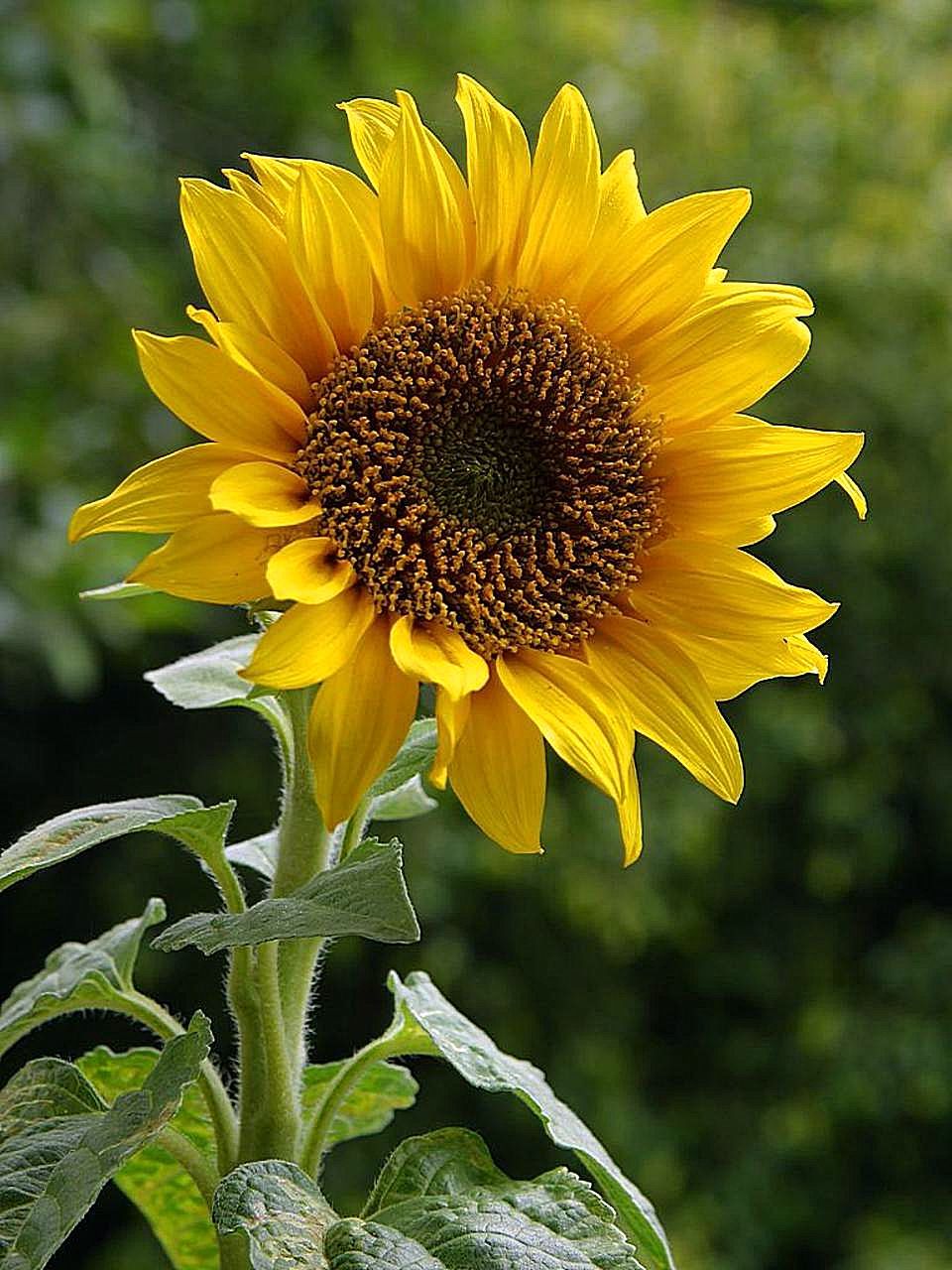
This combination makes Okinawa the earliest place in Japan to see sunflowers. Mainland sunflower season runs July to August, meaning Okinawa offers a five-to-six-month head start on these golden blooms.
Sunflower Photography Guide
Practical tips for capturing Okinawa's winter sunflowers beautifully.
Best shooting time: 9 AM to 11 AM is ideal. Sunflowers face east, so morning light illuminates the petals head-on for the brightest, most vivid shots. Afternoon light creates backlit conditions that can darken the blooms.
Eye-level angles: Shooting at the same height as the flowers or looking up from below creates the most dramatic compositions. With blue sky as a backdrop, an upward angle maximizes the flowers' vibrancy. Kitanakagusuku's dwarf varieties are low enough that kneeling down yields the best perspective.
Portrait tips: For portraits in the sunflower field, position the subject among the flowers and let foreground and background blooms blur into bokeh for a dreamy effect. Your smartphone's portrait mode handles this effortlessly.

Combining Sunflower Festivals with Nearby Attractions
Route A: Central Okinawa Half-Day (Kitanakagusuku Focus)
Morning: Sunflower viewing and photography at Himawari IN Kitanakagusuku. Lunch: AEON Mall Okinawa Rycom (5 minutes by car). Afternoon: Nakagusuku Castle Ruins (UNESCO World Heritage) for Ryukyu history. Just 10 minutes from Kitanakagusuku, with impressive stone walls and Pacific panoramas. Adult admission 400 yen.
Route B: Southern Okinawa Full Day (Nanjo City Focus)
Morning: Nanjo City sunflower fields. Mid-morning: Sefa Utaki (UNESCO World Heritage, admission 300 yen). Lunch: Oceanside cafe in Nanjo for Okinawa soba with sea views. Afternoon: Drive across Nirai Kanai Bridge for cliff-and-ocean panoramas. Evening: Head to Naha's Kokusai Street for dinner.

Practical Visitor Tips
What to wear: Okinawa's January-February temperatures range from 15 to 20 degrees Celsius. A long-sleeve shirt with a light jacket suffices during the day, but sunflower fields are open farmland with wind exposure, so bring a windbreaker. Wear sneakers for the dirt paths.
Checking bloom status: Bloom timing varies slightly each year. Check the Kitanakagusuku Village Tourism Association or official festival social media for the latest bloom updates before visiting. Peak bloom typically lasts about two weeks.
Rental car recommended: The festival sites have limited public transport access, so a rental car is strongly recommended. Kitanakagusuku is about 30 minutes from Naha and Nanjo City about 40 minutes, giving you freedom to combine nearby attractions.
Frequently Asked Questions
Q. Is there an admission fee for Okinawa sunflower festivals?
A. Both Kitanakagusuku Himawari Festa and Nanjo City sunflower fields offer free admission. Parking is also free. The only costs are purchases at food stalls and specialty product booths. The barrier-free access makes these festivals especially great for families.
Q. How can I find the exact festival dates?
A. Exact schedules are announced between December and early January by the Kitanakagusuku Village Tourism Association and official festival social media. Festivals typically begin in late January and run through mid-February for 2 to 3 weeks. Since bloom timing depends on temperatures, checking social media for the latest photos right before your visit is the most reliable approach.
Q. Can I reach the sunflower festivals without a rental car?
A. It is possible but inconvenient. The Kitanakagusuku festival site is about a 15-to-20-minute walk from the nearest bus stop. A taxi from central Naha costs approximately 3,000 to 4,000 yen. Considering the ease of combining with nearby attractions, a rental car is far more practical.
Q. Can I pick sunflowers to take home?
A. Picking sunflowers is prohibited. The fields are cultivated for public viewing, and preservation ensures everyone can enjoy them. However, some festivals hold a sunflower giveaway event on the final day, distributing one stem per visitor. Check the official festival social media for details.