Why Okinawa Is Perfect for Solo Travel
You're sitting at the counter of an izakaya on Kokusai Street, sipping a glass of awamori. The local next to you leans over and asks where you're from. This is the Okinawa that only solo travelers get to experience.
Okinawa consistently ranks as one of Japan's safest prefectures. According to the National Police Agency, the per-capita crime rate is roughly half the national average, and violent crime rates are among the lowest in the entire country. Walking the streets late at night, you'll rarely feel even a hint of danger.
There's an Okinawan proverb that captures the island spirit perfectly: "Ichariba chode" (行逢りば兄弟) — once we meet, we are family. This isn't just a saying. In practice, it means that sitting alone at an izakaya counter almost guarantees friendly conversation with locals or fellow travelers. Being solo actually opens more doors to genuine human connection than traveling in a group.
The geography works in your favor too. Okinawa's main island stretches just 106 kilometers from north to south. With a rental car, you can drive from one end to the other in about two hours. This compact scale means you can experience city life, pristine beaches, and subtropical jungle all in a single day — perfect for a solo traveler setting their own pace.
Solo Travel Model Itinerary (3 Nights, 4 Days)
Day 1: Exploring Naha
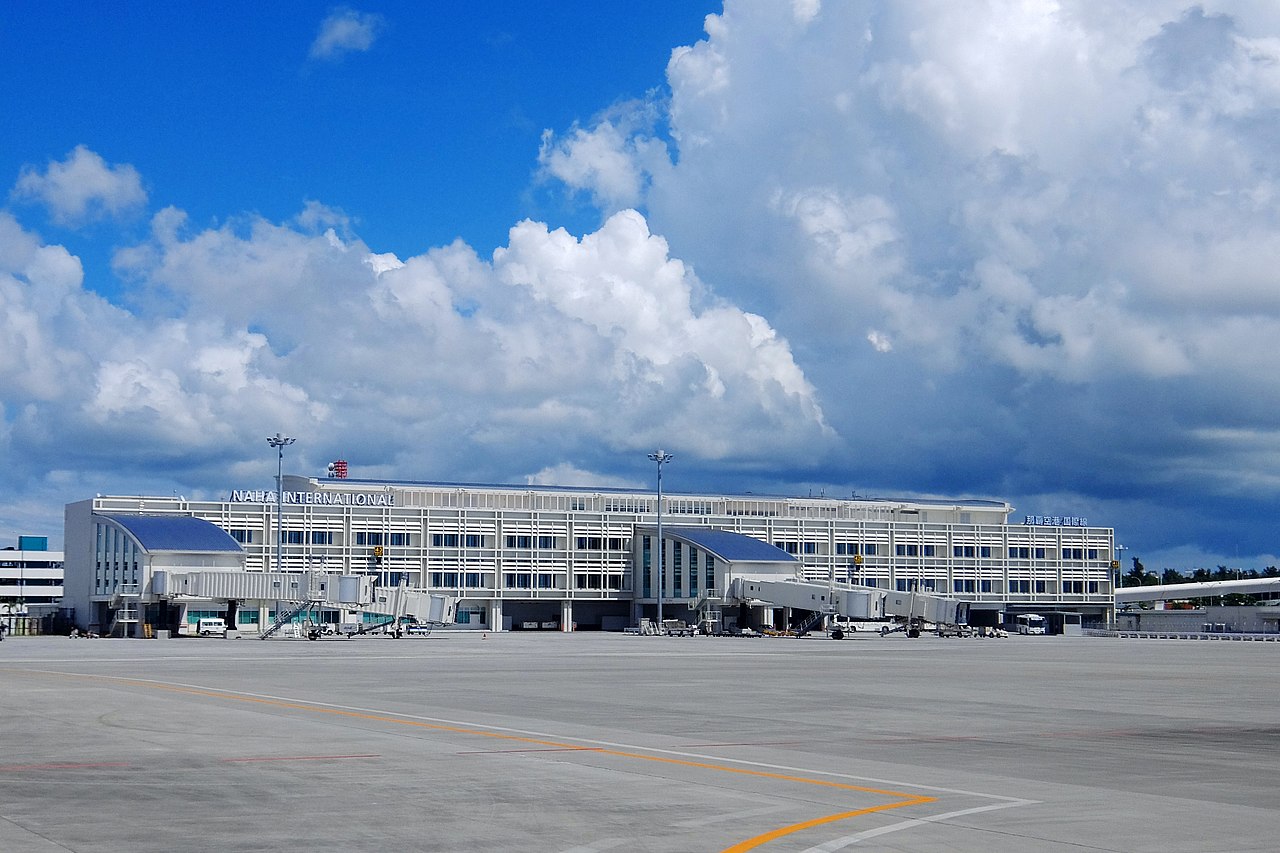
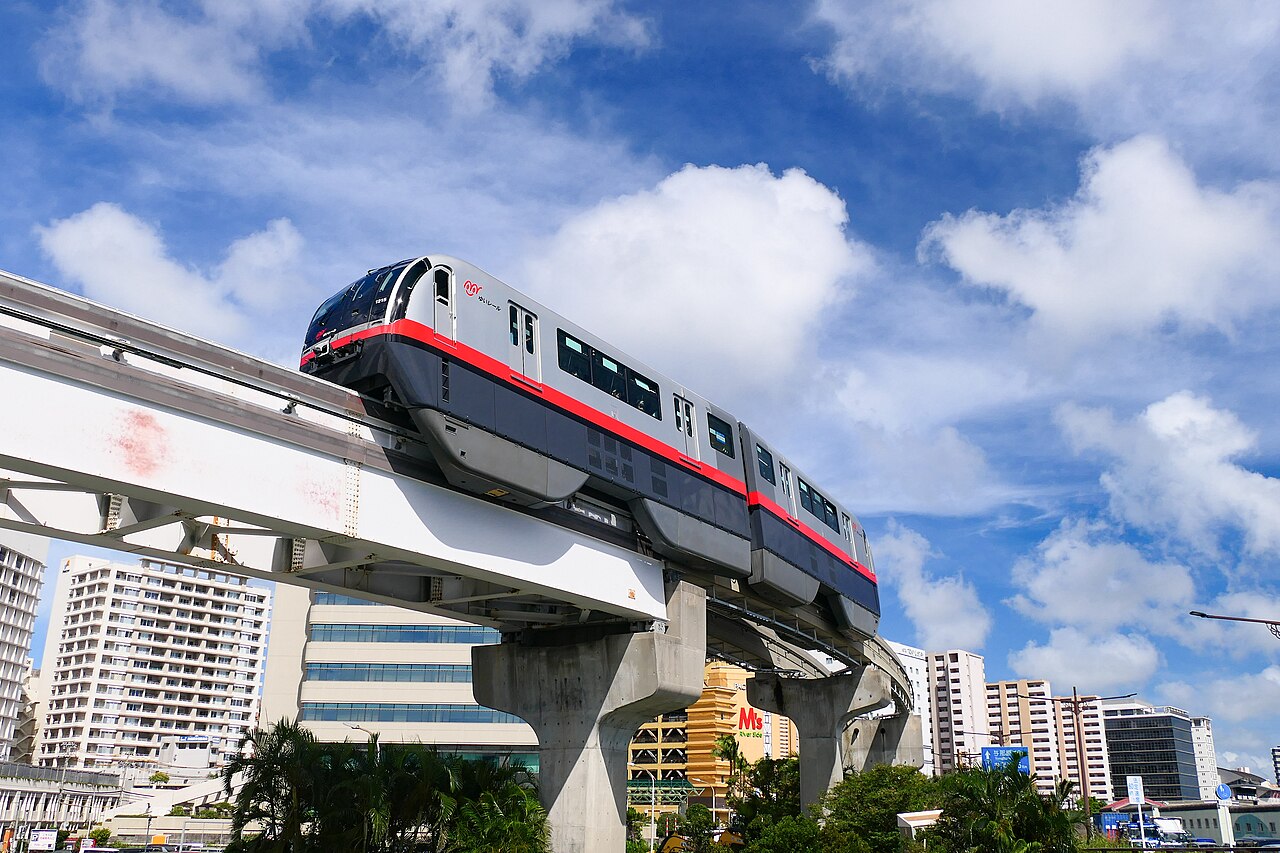
- Morning: Arrive at Naha Airport → Take the Yui Rail monorail to Kencho-mae Station → Check into your hotel
- Afternoon: Stroll down Kokusai Street → Lunch at Makishi Public Market (pick your seafood on the first floor, have it cooked upstairs) → Wander Tsuboya Yachimun Street for traditional pottery
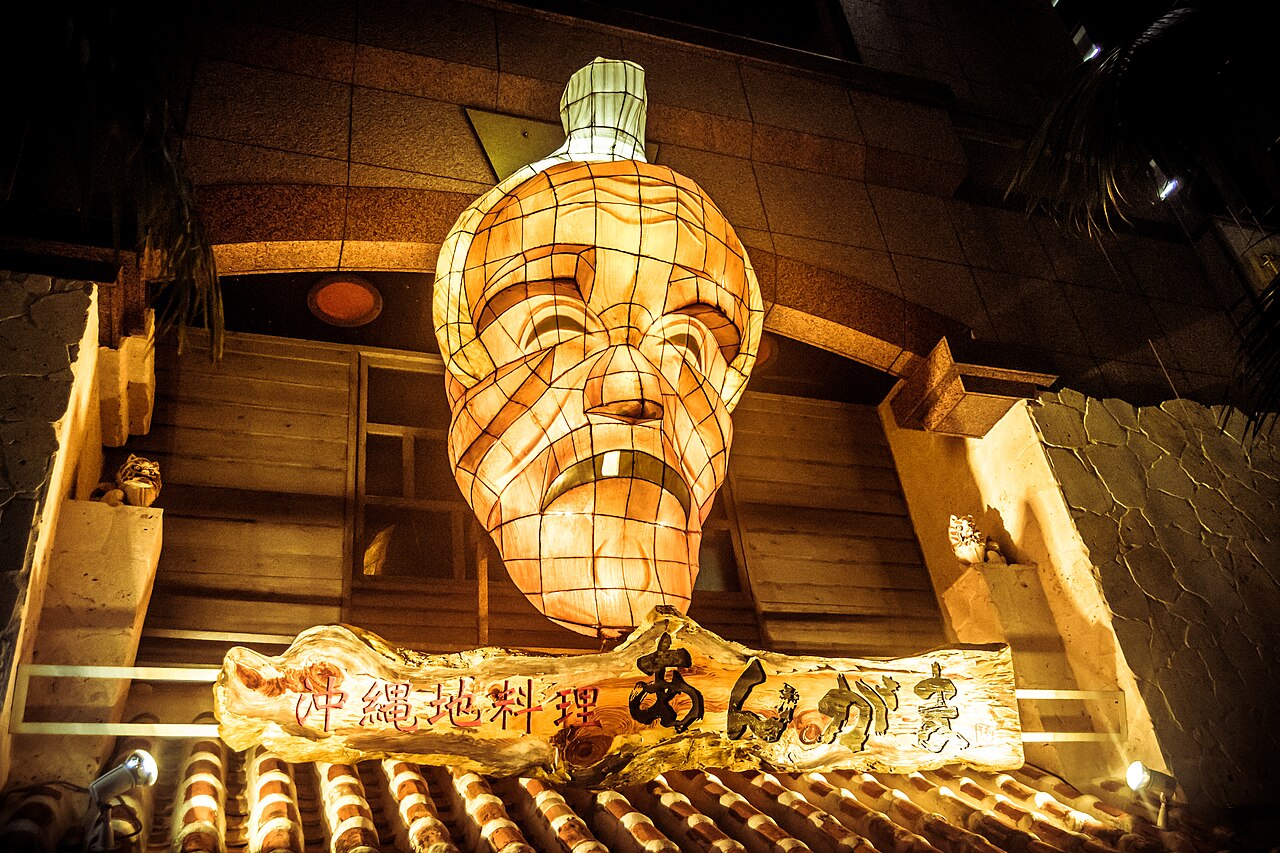
- Evening: Grab a counter seat at an izakaya off Kokusai Street — order goya champuru and awamori
Day 2: Central Okinawa Drive (Rental Car Pickup)
- Morning: Pick up rental car → Explore American Village in Chatan (eclectic shops, cafes, ocean views)
- Afternoon: Drive to Cape Manzamo → Cape Zanpa Lighthouse (dramatic cliffs all to yourself)
- Evening: Watch the sunset at Chatan Sunset Beach → Drive north to your accommodation
Day 3: Northern Nature and Experiences
- Morning: Arrive at Churaumi Aquarium right when it opens (solo travelers move fast)
- Afternoon: Cycle through the Bise Fukugi Tree Road → Trek through the Yanbaru subtropical forest
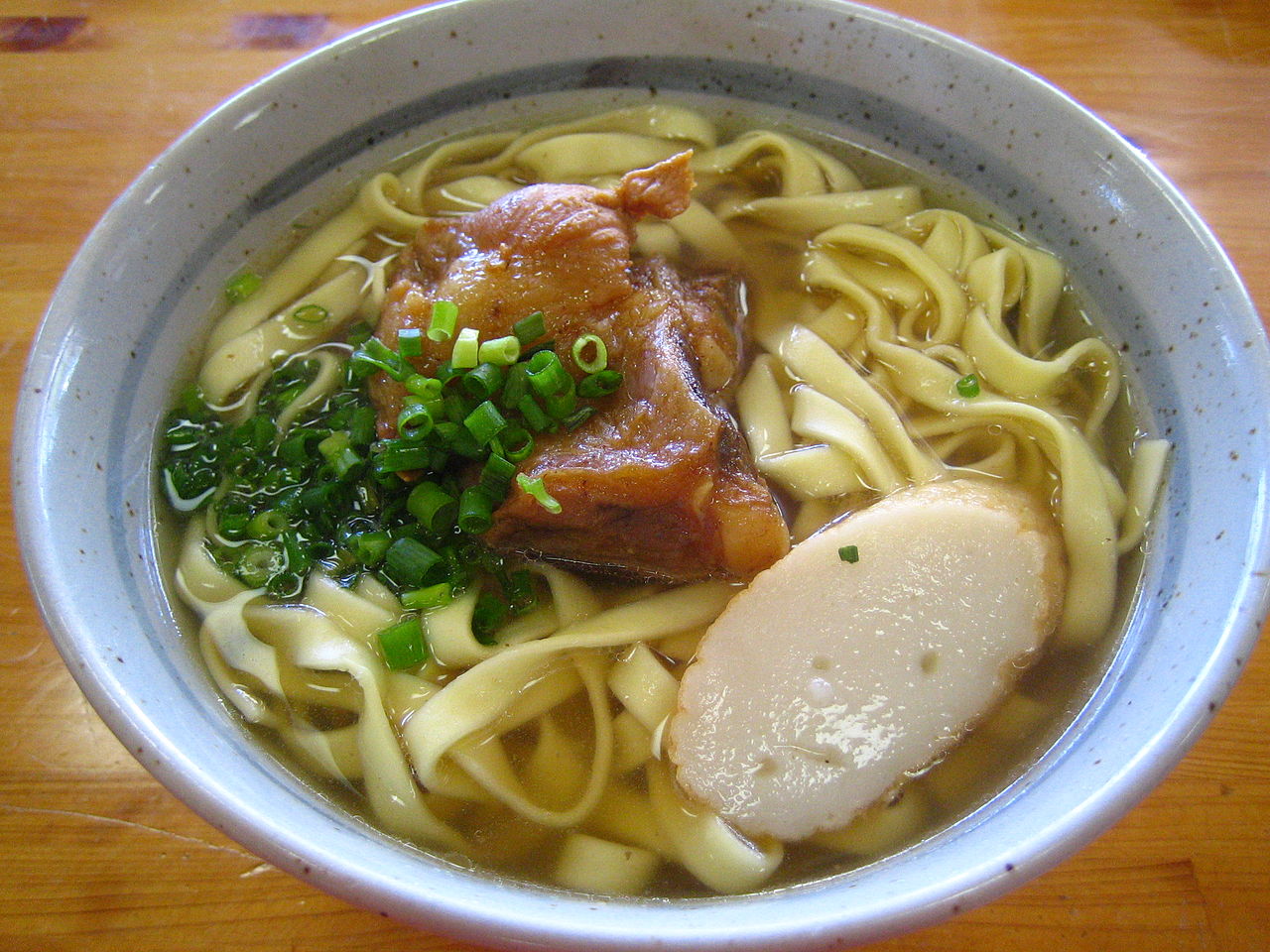
- Evening: Enjoy a quiet bowl of Okinawa soba at a local northern restaurant
Day 4: Southern Culture and Departure
- Morning: Visit Sefa Utaki (UNESCO World Heritage) → Peace Memorial Park
- Afternoon: Return the rental car → Depart from Naha Airport
The greatest advantage of solo travel is the freedom to change plans on a whim. Rain in the morning? Move the aquarium visit up. Gorgeous sunshine? Add an extra beach stop. You don't need anyone's permission. Your itinerary belongs entirely to you.

Solo Dining Guide: Where to Eat Alone Without Awkwardness
Eating alone might be the biggest worry for first-time solo travelers. In Okinawa, however, dining alone is completely normal. Japan's deeply rooted "ohitorisama" (solo diner) culture means restaurants are fully equipped and welcoming for single guests.
Best Restaurant Types for Solo Diners
- Okinawa soba shops: Nearly all have counter seating. From ordering to finishing, it takes about 10 minutes. Budget: ¥600–900 per bowl
- Izakayas: Sitting at the counter is where the magic happens. The owner or a regular next to you will likely strike up a conversation. Solo izakaya dining is the crown jewel of Okinawa solo travel
- Steak houses: Okinawa has a thriving steak culture (a legacy of the American military presence). Solo steak sets run ¥1,500–3,000, including premium Agu pork options
- Makishi Public Market: Choose your ingredients on the ground floor and have them cooked upstairs. Single portions are no problem — they're used to it

Pro Tips for Solo Dining
Take full advantage of lunch hours (11:00–14:00). Lunch sets cost roughly half of dinner prices with equally generous portions. An Okinawa soba and jushime (seasoned rice) set combo comes to about ¥800 — a satisfying, budget-friendly meal.
Accommodation Guide for Solo Travelers
Okinawa offers a wide range of accommodation options tailored to different solo travel styles and budgets.
| Type | Price per Night | Advantages | Best For |
|---|---|---|---|
| Guesthouses | ¥2,000–3,500 | Meet other travelers, share tips and stories | Social solo travelers |
| Capsule Hotels | ¥2,500–4,000 | Privacy in a pod, great Naha city locations | Efficiency-focused travelers |
| Business Hotels (single) | ¥4,000–7,000 | Private room, breakfast included options | Comfort-first travelers |
| Minshuku (B&B) | ¥3,000–5,000 | Homey atmosphere, home-cooked meals | Cultural immersion seekers |
| Resort Single Plans | ¥8,000–15,000 | Pool, beach access, solo luxury | Treat-yourself travelers |
Naha guesthouses cluster within a five-minute walk of Kokusai Street. The common lounges are goldmines for spontaneous connections — it's common to meet a fellow traveler at night and end up exploring together the next day.
Budget hack: Many business hotels near Kencho-mae and Asahibashi stations offer early-bird web discounts that bring single rooms down to ¥3,500–4,500 — nearly guesthouse prices but with your own room and bathroom.

Rental Car vs Public Transit: The Solo Traveler's Dilemma
Choosing how to get around is one of the biggest decisions for solo travelers in Okinawa. Here's the bottom line: if you have 3 or more days, rent a car; for 2 days or fewer, stick with public transit.
| Factor | Rental Car | Public Transit (Yui Rail + Bus) |
|---|---|---|
| Cost (3 days) | ¥8,000–15,000 (vehicle + insurance + fuel) | ¥5,000–8,000 (passes + bus fares) |
| Northern access | Complete freedom | Buses run every 1–2 hours, limited |
| Time efficiency | Excellent | Significant waiting time |
| Fatigue | Left-hand driving adjustment needed | Rest during transit |
| Nightlife | Cannot drive after drinking | Yui Rail runs until 11 PM |
| Luggage | Stored in trunk | Must carry at all times |
The solo rental car advantage: You answer to no one. If a beach captivates you, stay another hour. If a roadside cafe catches your eye, pull over immediately. This spontaneous freedom is the essence of solo driving in Okinawa.
Being alone makes you freer. With just one rental car, you can reach Okinawa's hidden beaches, northern rainforests, and secret viewpoints — all on your own schedule, at your own pace.
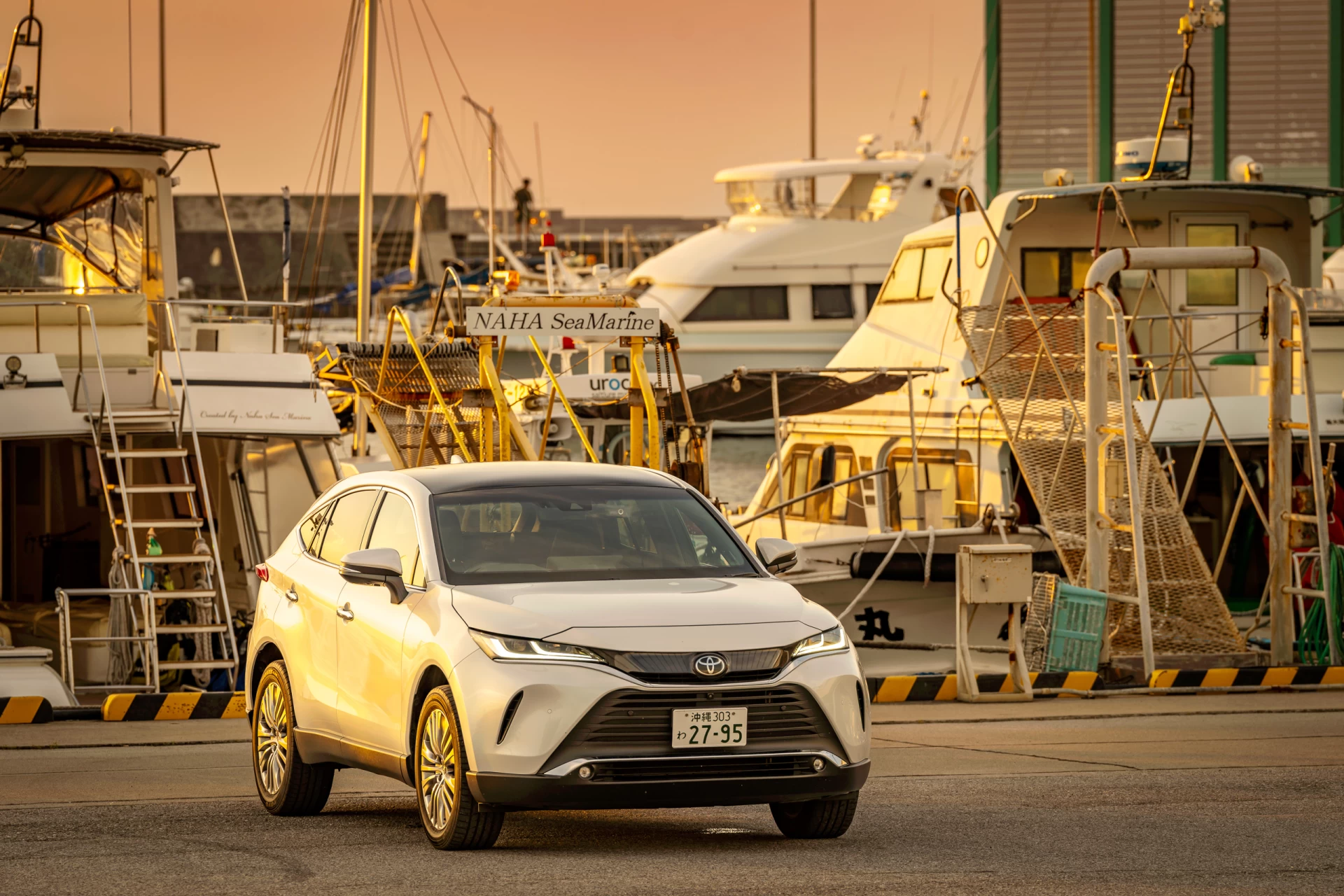
Hybrid strategy: Consider renting a car only for Days 2–3 (central and northern exploration) while using the Yui Rail monorail for Day 1 in Naha. A one-day monorail pass costs just ¥800, and it connects the airport to all major Naha stops.
Safety Guide and Emergency Contacts
Okinawa is remarkably safe, but knowing the basics of safety and emergency procedures will give you complete peace of mind during your solo adventure.
Emergency Numbers
- Police: 110 (24 hours, English support available)
- Ambulance / Fire: 119
- Japan Visitor Hotline: 050-3816-2787 (24/7, English, Chinese, Korean support)
- OCVB Tourist Information (multilingual): 098-862-1111
- Emergency Medical Advice: #7119 (multilingual medical consultation)
Safety Tips for Solo Travelers
- Sun protection: Okinawa's UV levels are approximately 1.5 times stronger than mainland Japan. SPF50+ sunscreen is essential year-round
- Getting back after drinks: Use taxis or the Yui Rail. Naha taxi base fare is ¥560 — very affordable for short trips
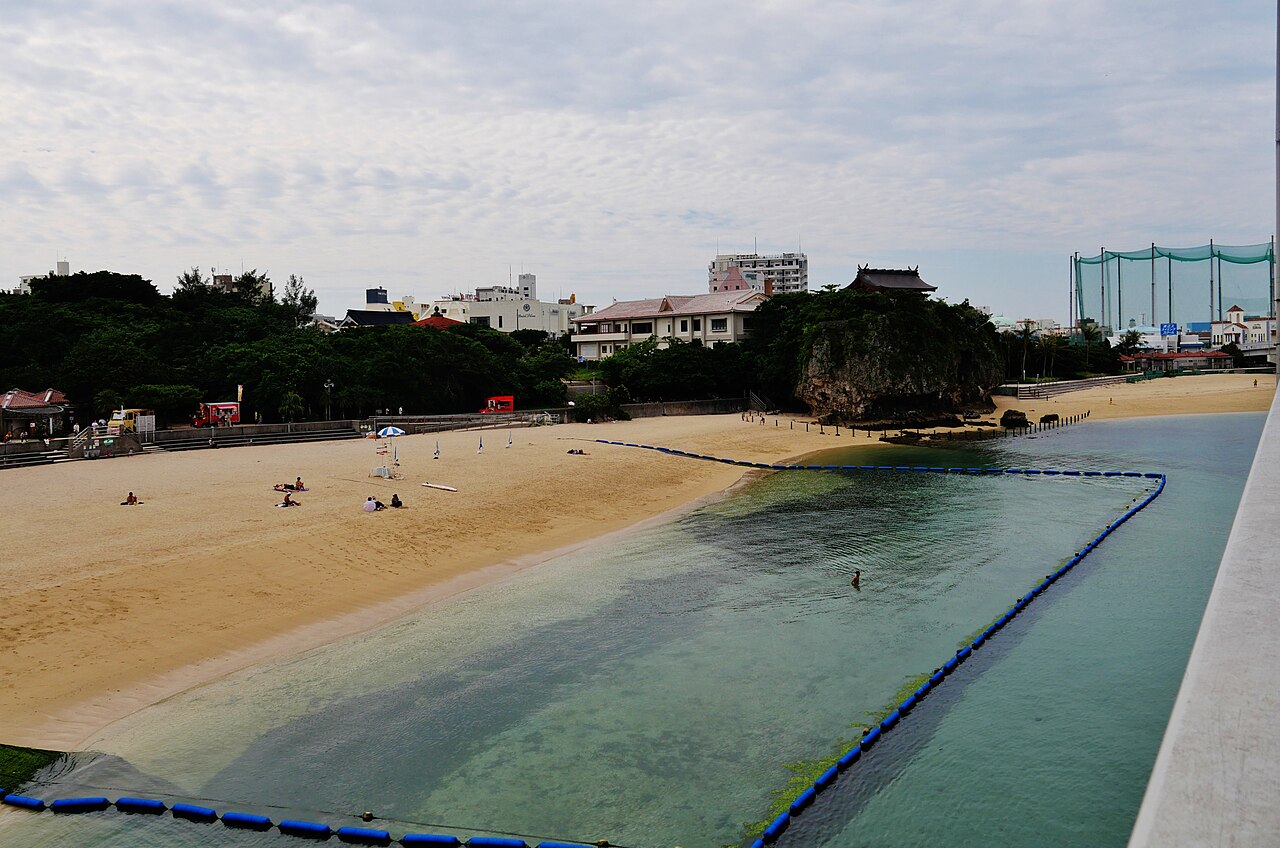
- Ocean safety: Only swim at beaches with lifeguards on duty. Watch out for habu jellyfish (box jellyfish) during the June–September season
- Typhoon season: July through October. When a typhoon approaches, switch to indoor attractions — Okinawa has excellent museums, aquariums, and shopping malls
- Accommodation security: Use personal padlocks for lockers in guesthouses. Keep valuables locked away, not in your bed area
5 Experiences That Are Actually Better Solo
Some experiences are not just possible alone — they're genuinely better without companions. Here are five activities where being solo is an advantage, not a limitation.
1. Introductory Scuba Diving / Snorkeling
Over 30% of participants on Kerama Islands day tours are solo travelers. Underwater, everyone is alone with the ocean anyway. The moment you encounter a sea turtle in the legendary Kerama Blue waters (50-meter visibility) is profoundly personal regardless of who you traveled with. Cost: ¥8,000–12,000 including equipment and boat transfer.
2. Yachimun (Pottery) Workshop
In the Tsuboya pottery district, you can take a shisa (guardian lion) making workshop lasting 1–2 hours for ¥2,000–3,500. Quietly shaping clay with your hands, creating something uniquely yours — it becomes an almost meditative experience that's perfect for solo travelers.
3. Bise Fukugi Tree Road Cycling
Near Churaumi Aquarium lies Bise Village, where centuries-old fukugi trees form a natural tunnel. Cycling through this canopy, the only sounds are birdsong and wind. Bicycle rental is just ¥300 per hour. Pedal at your own pace — there's no one rushing you.
4. Okinawan Cooking Class
Learn to make goya champuru, soki soba, and sata andagi (Okinawan doughnuts) in a small-group cooking class for ¥3,000–5,000. Even as a solo participant, you'll cook and eat together with other guests — it's a natural, structured way to socialize.
5. Early Morning at Sefa Utaki
Visit the UNESCO World Heritage site Sefa Utaki at dawn, before the tour buses arrive, and you'll have this sacred site nearly to yourself. The profound silence of the Ryukyu Kingdom's holiest place is a privilege reserved for those who travel alone and wake up early.

Frequently Asked Questions
Q1. Is Okinawa safe for solo female travelers?
Extremely safe. Okinawa has one of the lowest crime rates in all of Japan. Naha's Kokusai Street remains busy and well-lit past 10 PM, and many guesthouses offer female-only dormitories. That said, avoid deserted beaches and remote northern mountain areas after dark — not because of crime, but simply because there's no lighting or cell coverage.
Q2. How much should I budget for a solo trip?
Here are daily budget estimates:
- Budget tier: ¥6,000–8,000/day (guesthouse ¥2,500 + meals ¥2,000 + transit ¥1,500)
- Mid-range tier: ¥12,000–18,000/day (business hotel ¥5,000 + meals ¥4,000 + rental car share ¥3,000)
- Comfort tier: ¥25,000+/day (resort ¥10,000 + meals ¥6,000 + rental car + activities)
Q3. Won't I get lonely traveling alone?
Okinawa is one of those rare places where you can be alone without being lonely. Guesthouse common areas, izakaya counter seats, and group experience tours all create organic opportunities for connection. The "ichariba chode" spirit means locals themselves will often initiate conversation — especially if you're sitting at a counter with a drink in hand.
Q4. What's the best area for solo travelers?
Naha city center is the ideal base camp. The Yui Rail covers the city, accommodation and restaurants are densely packed, and Kokusai Street's energy keeps loneliness at bay. From Naha, use day-trip rental cars to explore central and northern Okinawa — this hub-and-spoke pattern is the most efficient way to solo-travel the island.
Q5. Can I manage without speaking Japanese?
Absolutely. Tourist areas and restaurants increasingly offer English menus, and many also have Korean and Chinese options. The Google Translate camera feature handles any menu you can't read. Even learning just two phrases — "sumimasen" (excuse me) and "arigatou" (thank you) — will noticeably warm up your interactions with locals.