Thinking "insurance is a waste if nothing happens" and choosing only basic coverage, then scraping a bumper in a parking lot and paying 150,000 yen — this happens every year in Okinawa. With foreign tourist rental car accidents reaching 3,801 cases (34% of all rental car accidents), insurance selection in Okinawa is a budget-defining decision. Understand the clear differences between basic coverage, CDW, NOC, and full coverage packages to make the smartest choice.
Basic Insurance — What's Included in Your Rental
Every rental car in Japan includes basic insurance in the rental fee. This covers bodily injury liability (unlimited), property damage liability (unlimited), vehicle damage (up to market value), and passenger injury (30 million yen). This looks sufficient at first glance, but the critical detail is the deductible (menseki-gaku).
If an accident occurs, you'll owe a vehicle damage deductible of 50,000 yen plus a property damage deductible of 50,000 yen — up to 100,000 yen out of pocket. On top of that comes the NOC (Non-Operation Charge): 20,000 yen if you can drive the car back, or 50,000 yen if towing is needed. With basic insurance alone, your maximum out-of-pocket exposure can reach 150,000–250,000 yen.
CDW (Collision Damage Waiver) — The Essential Option to Eliminate Your Deductible
The CDW (Collision Damage Waiver / menseki hosho) eliminates the 100,000 yen deductible in case of an accident. Approximately 80% of Okinawa renters choose CDW. Rates by company: Times/Toyota/ORIX at 1,100 yen/day (compact cars), OTS at 1,650 yen/day (all vehicles), Nippon at 1,100 yen/day (sedans), Budget at 1,430 yen/day. Large vehicles and minivans generally increase to 2,200 yen/day.
What CDW does NOT cover: NOC charges (separate option needed), tire and wheel damage, glass breakage (windshield and side windows), vehicle interior contamination (vomit, food, cigarette odor), key loss or damage, and undercarriage damage. These are charged at actual cost even with CDW. Critically, if you fail to obtain a police accident certificate (jiko shomeisho), CDW coverage is voided entirely — so always call 110 for any accident, no matter how minor.
NOC Waiver — The Hidden Cost That CDW Can't Stop
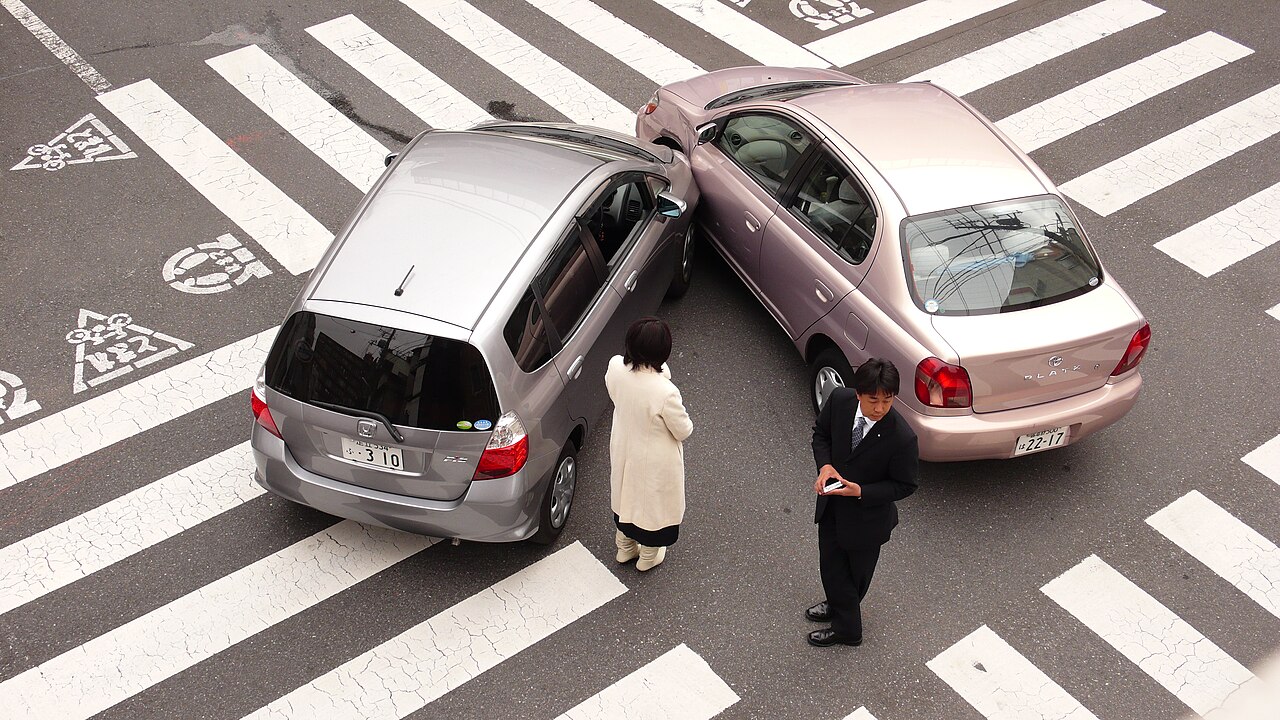
The NOC (Non-Operation Charge) compensates the rental company for lost revenue while your damaged vehicle is being repaired. This is charged separately from CDW — even if you have CDW. The fee is 20,000 yen if you drive the car back yourself, or 50,000 yen if towing is needed.
NOC waiver costs by company: Toyota 550 yen/day (combined with CDW as the Anshin W Plan at 1,650 yen total), ORIX 660 yen/day (RAP), Nippon 440 yen/day (ECO Plan), OTS 660 yen/day (Basic Pack) or 1,210 yen/day (Premium Pack). At just 440–660 yen per day, you're eliminating a 20,000–50,000 yen risk, making CDW + NOC as a set the rational choice.
Okinawa's road asphalt contains coral-derived Ryukyu limestone, and when rain begins, an oil film forms making roads far more slippery than mainland Japan. During rainy season (May–June) and typhoon season (July–October), wet road accident risk is especially high, making NOC coverage even more important.
Full Coverage Packages — Complete Company Comparison
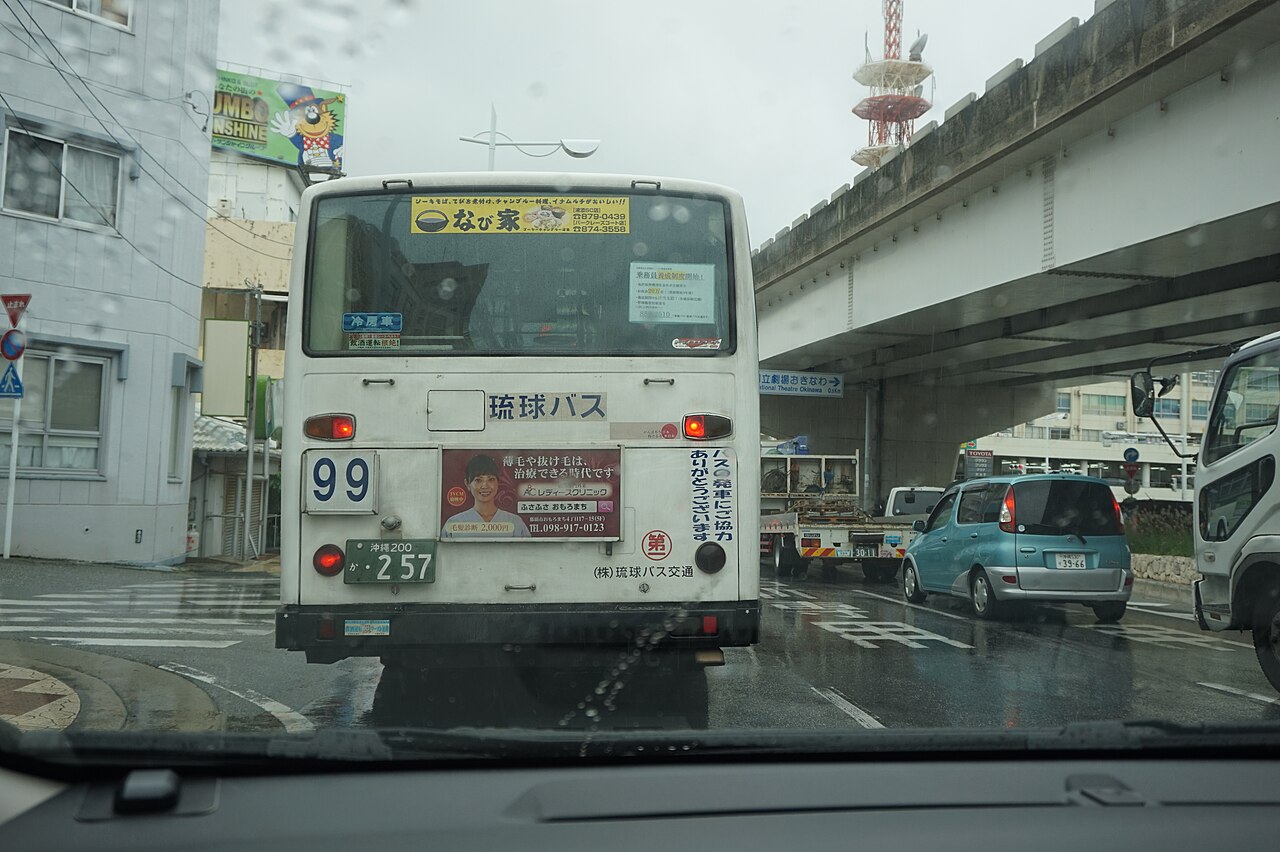
Full coverage packages bundle CDW + NOC into a single "zero additional charge even after an accident" package. Company comparison: Toyota's Anshin W Plan is the cheapest at 1,650 yen/day (compact car), covering CDW + NOC + tire and wheel cap damage. ORIX CDW+RAP is also excellent value at 1,760 yen/day. Times' Anshin Coverage at 2,200 yen/day includes CDW + NOC + roadside service + tire and wheel coverage.
OTS Premium Pack (CDW 1,650 + Premium 1,210 = 2,860 yen/day) offers the broadest coverage including unlimited tire replacement, unlimited towing, multi-accident coverage, and free replacement vehicle. Nissan's Full Support Plan (from 2,200 yen/day) integrates CDW + NOC + enhanced passenger injury (50 million yen) + roadside service.
Important note: Budget Rent-a-Car does not offer a separate NOC waiver — only CDW (1,430 yen/day) is available. In case of an accident, the 20,000–50,000 yen NOC remains your responsibility. Always verify this before booking.
What Insurance Won't Cover — Exclusions to Know
Even with the most comprehensive insurance, some situations are never covered. 1. DUI (drunk driving): All coverage is voided plus criminal penalties (up to 5 years imprisonment / 1 million yen fine). 2. Unauthorized or unlicensed driving: If someone not on the contract drives, or you use an invalid international driving permit, you're fully liable. 3. Failure to report to police: Without an accident certificate, no insurance applies — this is the most common mistake.
4. Personal belongings: Laptops, cameras, bags and other personal items inside the vehicle are never covered. 5. Vehicle interior damage: Cleaning costs for vomit, food stains, or cigarette odor (typically 20,000 yen) are charged separately. 6. Hit-and-run: Damaging another vehicle and leaving without reporting voids all coverage and brings criminal charges. 7. Off-road driving: Damage from unauthorized driving on beaches or unpaved roads is excluded.
6-Step Accident Response Procedure
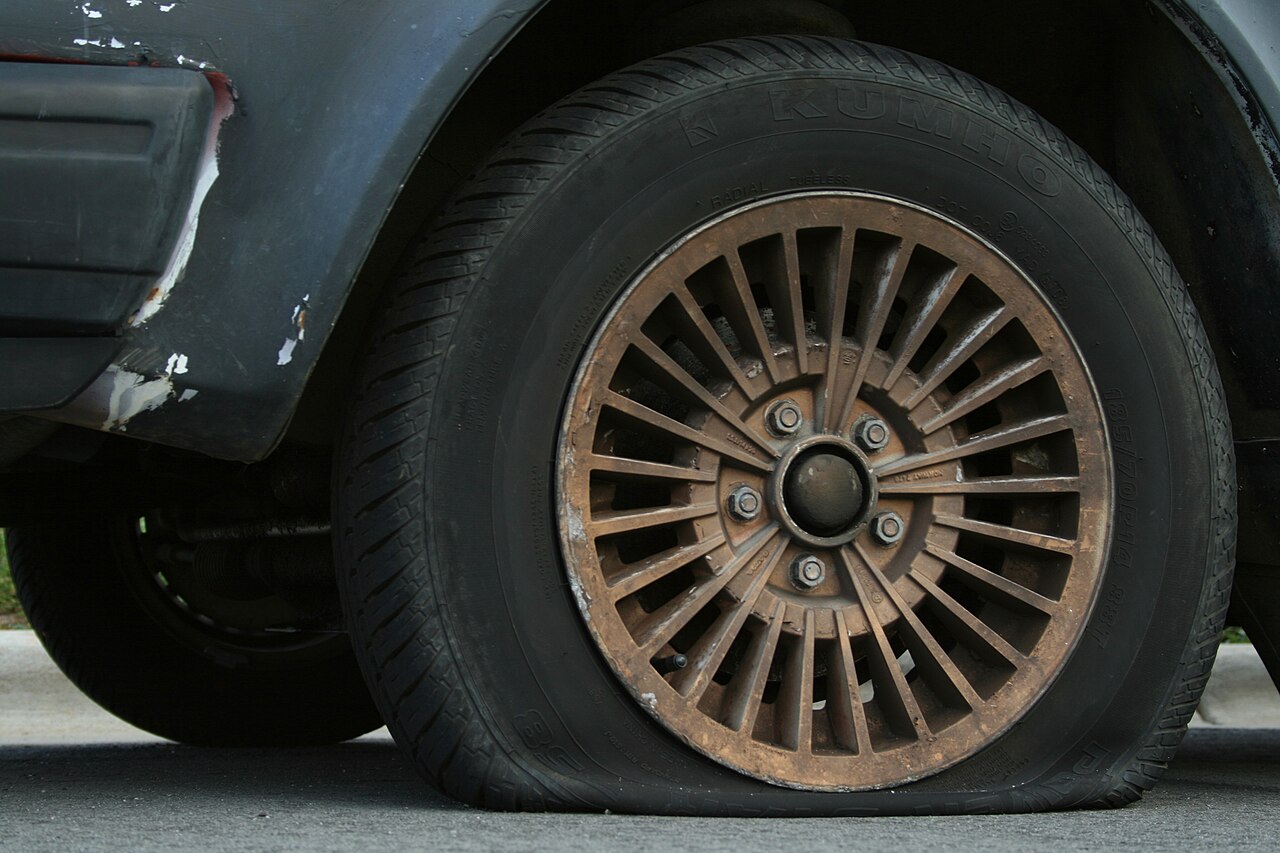
Step 1: Ensure safety — Turn off the engine, activate hazard lights, call 119 (ambulance) if anyone is injured. On expressways, set up warning triangles and move behind guardrails. Step 2: Call 110 (police) — Under Japan's Road Traffic Law Article 72, reporting an accident is a legal obligation. Provide the location, time, and damage details, then wait at the scene until police arrive. Record the case acceptance number.
Step 3: Contact the rental company — Call their 24-hour emergency number (printed on the dashboard or key tag) to report the situation. Never attempt to settle directly with the other party. Step 4: Gather evidence — Photograph both vehicles, damage, road conditions, and brake marks. Exchange information with the other driver (name, phone, plate number, insurance). Step 5: Seek medical attention — Even for minor injuries, see a doctor within 48 hours. Whiplash symptoms may not appear the same day. Step 6: Obtain the accident certificate — Issued by the Japan Safe Driving Center. Without this document, insurance claims are impossible.
Insurance Recommendations by Trip Type and Cost Simulation
3-day compact car rental cost comparison: Basic only (0 yen extra) → up to 250,000 yen liability. CDW only (3,300 yen) → 20,000–50,000 yen NOC still your responsibility. CDW + NOC full coverage (4,950 yen, Toyota Anshin W) → 0 yen liability. OTS Premium (8,580 yen) → 0 yen + tire and replacement car coverage. CDW at 3,300 yen for 3 days eliminates up to 100,000 yen in deductibles, so it pays for itself at just a 3.3% accident probability. With foreign tourists' 34% accident involvement rate, skipping CDW is essentially gambling.
Recommendations by trip type: Experienced Japan driver (budget solo) → CDW minimum (1,100 yen/day). First time driving in Japan → full coverage (1,650 yen/day). Family with kids → full coverage (1,650–2,200 yen/day). Foreign tourists → full coverage strongly recommended (language barriers make accident processing more complex). Rainy/typhoon season → premium full coverage (2,200–2,860 yen/day). Northern Yanbaru exploration → premium full coverage. One bumper scrape in a parking garage costs 50,000+ yen — equivalent to about 30 days of CDW premiums. At 1,100–1,650 yen per day, rental car insurance is the most reliable investment in travel peace of mind.