The Truth About Okinawa's Rainy Season — When and How Much
Okinawa's rainy season (tsuyu/梅雨) begins about a month earlier than mainland Japan — around May 10 and ends around June 21 (Japan Meteorological Agency averages, about 42–45 days). Compare that to the mainland's June to mid-July rainy season. June in Naha averages 27.2°C (high 29.8°C, low 25.2°C) with 83% humidity and about 284 mm of monthly rainfall.
Here's the crucial point — Okinawa's rain rarely lasts all day. Thanks to the subtropical climate, rain typically comes as intense 30-minute to 1-hour tropical squalls followed by sudden clearing. Days of continuous rain are actually uncommon, and there are always periods of strong sunshine breaking through the clouds. Using the Yahoo! Weather app's rain cloud radar lets you predict rain cloud movement in 15-minute increments, making it easy to time outdoor activities.

Best Indoor Spots for Rainy Days
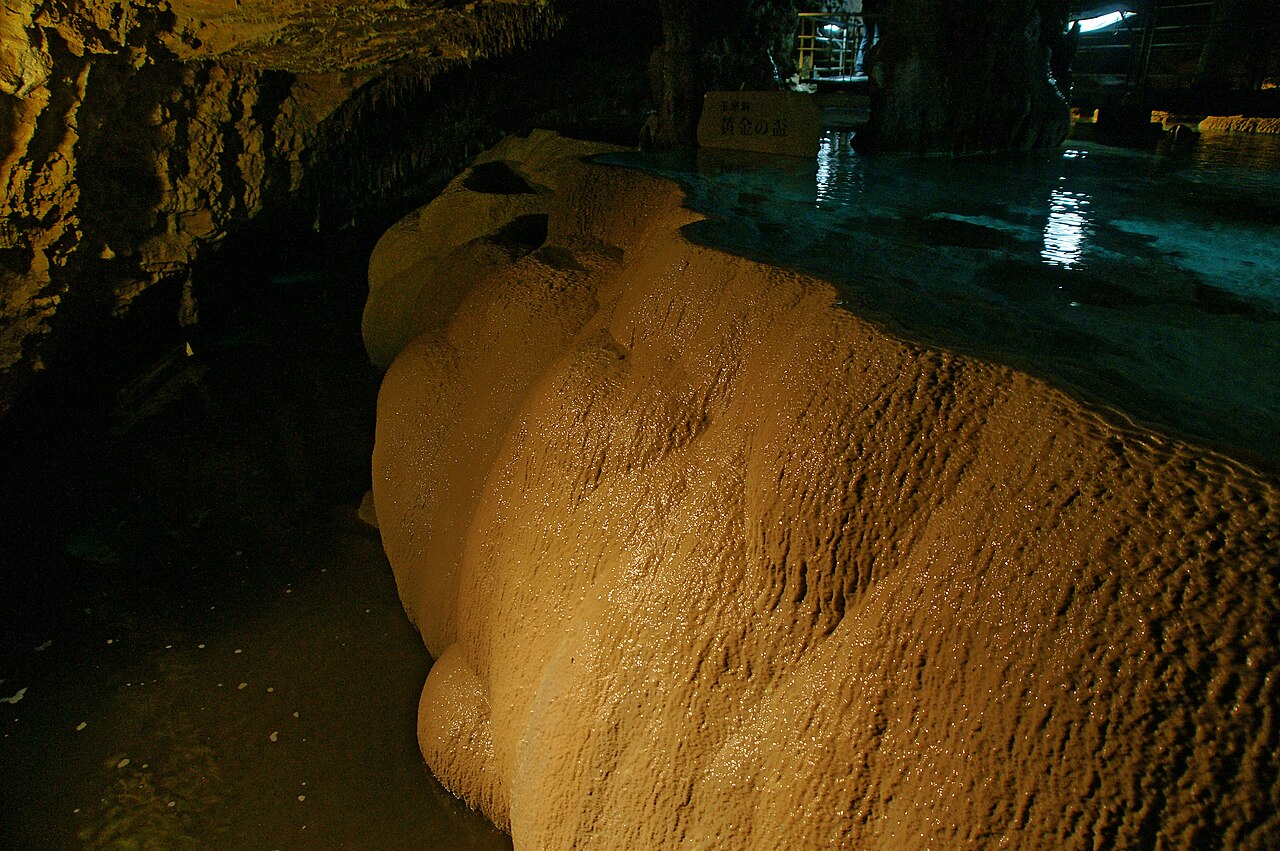
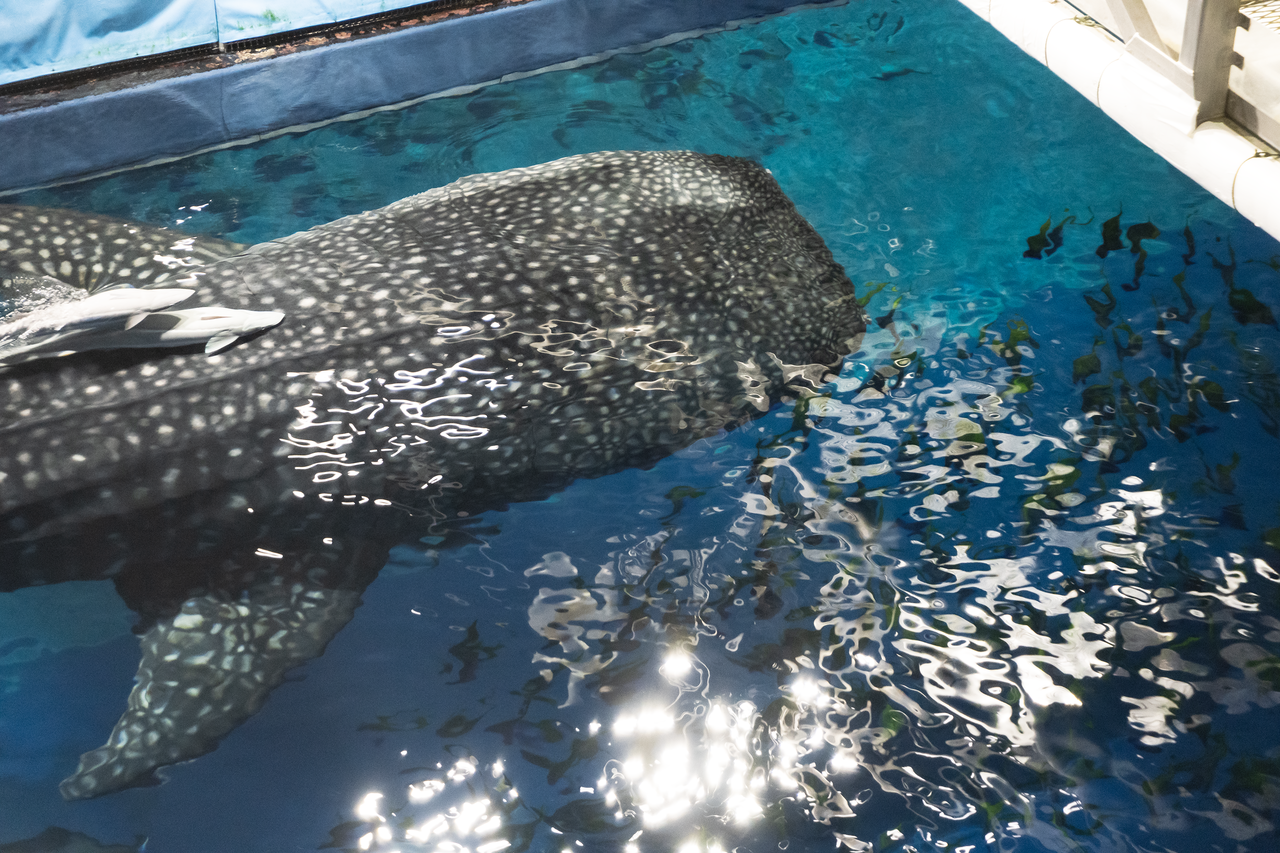
Churaumi Aquarium (沖縄美ら海水族館) is the top rainy-day choice. Admission 2,180 yen (adults), open 8:30–18:30. With fewer visitors than peak season, you can photograph the Kuroshio Sea tank at leisure. Okinawa World's Gyokusendo Cave maintains a year-round 21°C underground, where you can admire 300,000-year-old stalactites regardless of rain (admission 2,000 yen).
The Okinawa Prefectural Museum and Art Museum covers Ryukyuan history through contemporary art — enough for a full day (9:00–18:00, until 20:00 on Fridays and Saturdays). DFS T Galleria (directly connected to Omoromachi Station) offers duty-free shopping, while Ryubo Department Store and Naha Main Place provide reliable rainy-day alternatives. Shuri Castle is under restoration (completion expected autumn 2026) but partially open (400 yen), with the restoration process itself being a unique experience.
Perfect Rainy-Day Workshop Experiences
Rainy days are actually the perfect time for Okinawan craft experiences. Bingata dyeing starts from 1,980 yen at Churaumiya, with full workshops available at Shuri Suikara. Ryukyu glass blowing at Itoman's Ryukyu Glass Village starts from 2,850 yen — make your own glass. Shisa making costs from 1,500 yen at Okinawa World or from 3,850 yen at Tsuboya's Ikutouen.
Sanshin lessons cost 2,000–4,000 yen (free trial available at Chindami), and Blue Seal ice bar making is 1,800 yen for 45–60 minutes (6 sessions daily). Murasaki Mura in Yomitan is a comprehensive experience facility offering 101 programs (1,760–2,900 yen each). From Okinawa soba making to coral dyeing, pottery, glass, and weaving — it's the most fulfilling way to spend a rainy day.

Flowers of the Rainy Season — Hydrangeas and Sagaribana
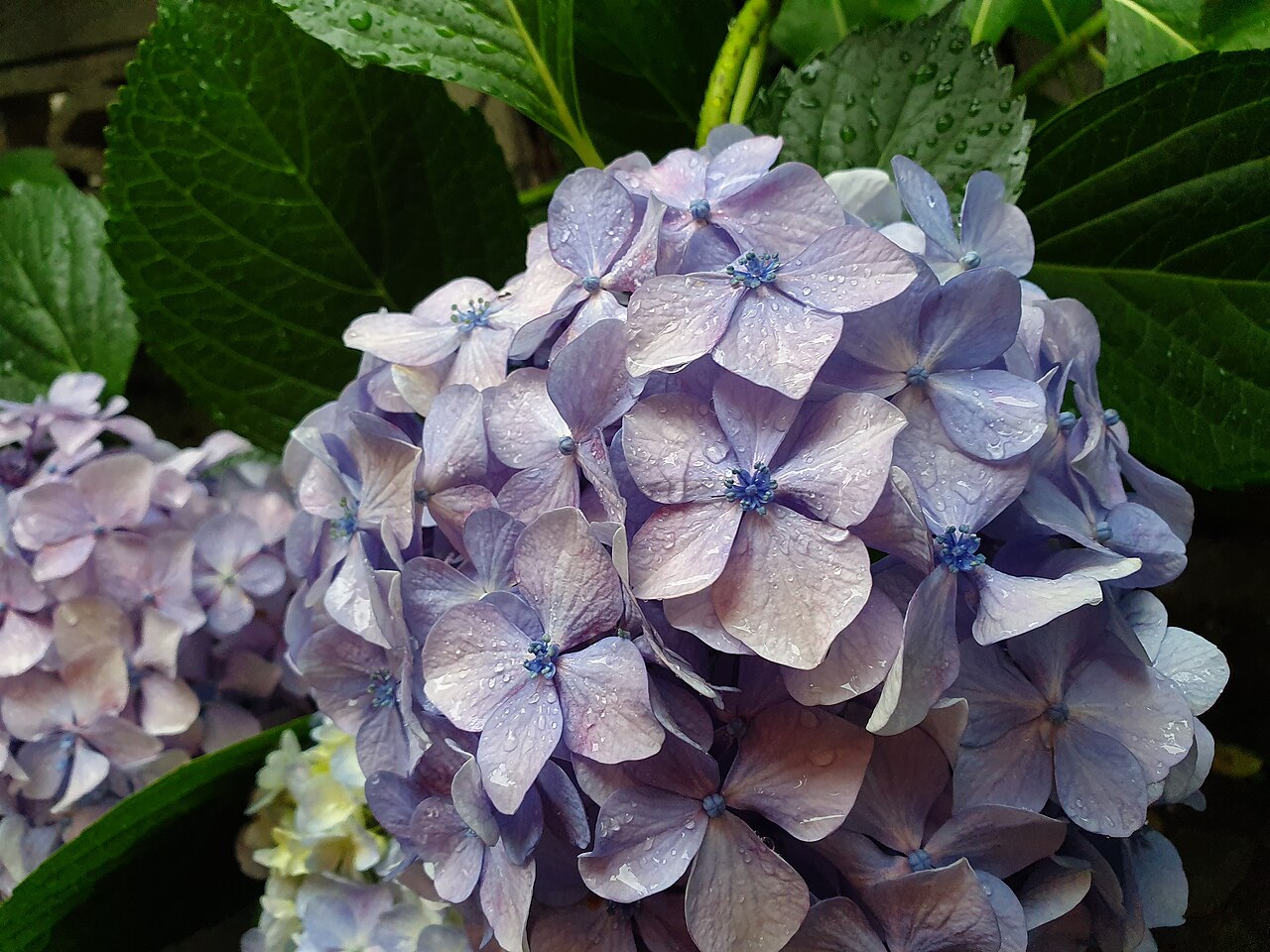
The rainy season is also a special flower season unique to Okinawa. Hydrangeas (あじさい) reach full bloom in May–June, and Motobu Town's Yohena Hydrangea Garden is a spectacular sight with 300,000 blooms covering a hillside (admission 500 yen, opened May 11 in 2025). Easter lilies (テッポウユリ) are the star of Ie Island's Lily Festival, with one million blooms from late April to early May.
Deigo (デイゴ) is Okinawa's prefectural flower, blooming crimson from March to May and featured in the famous song "Shimauta." The most mystical rainy-season flower is the sagaribana (サガリバナ) — a tropical bloom that opens only at night in June–July and drops its petals at dawn. It can be seen along riversides in central Naha and on Sesoko Island. Joining a pre-dawn tour to see flowers that bloom only at night is an experience exclusive to the rainy season.
.jpg)
Rainy Season Driving Tips for Rental Cars
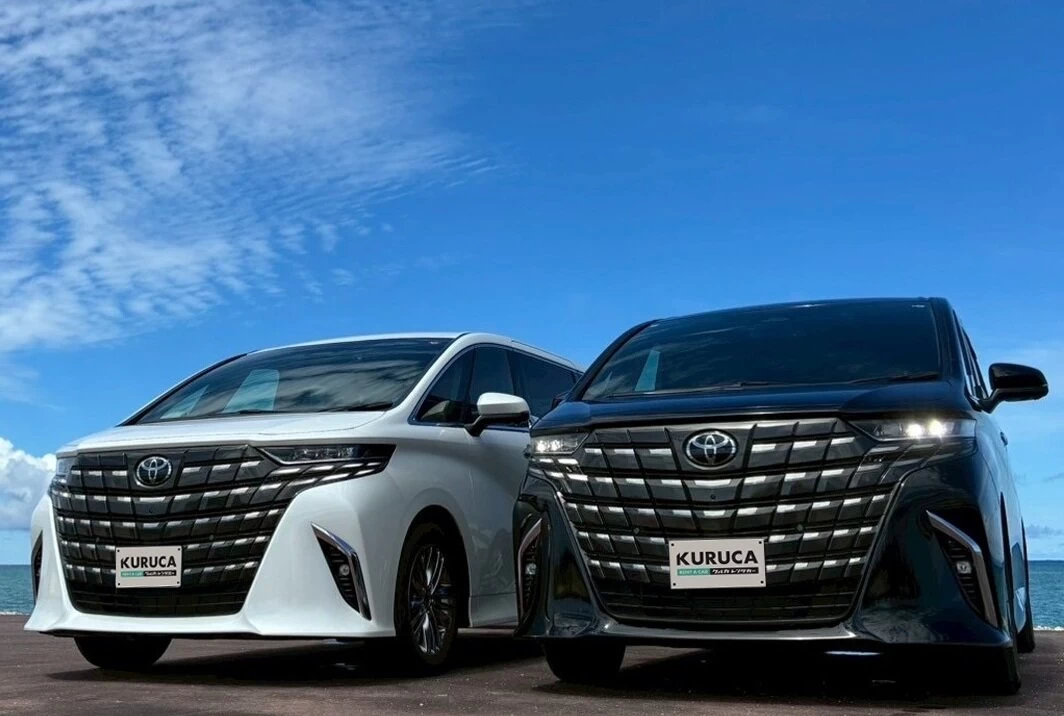
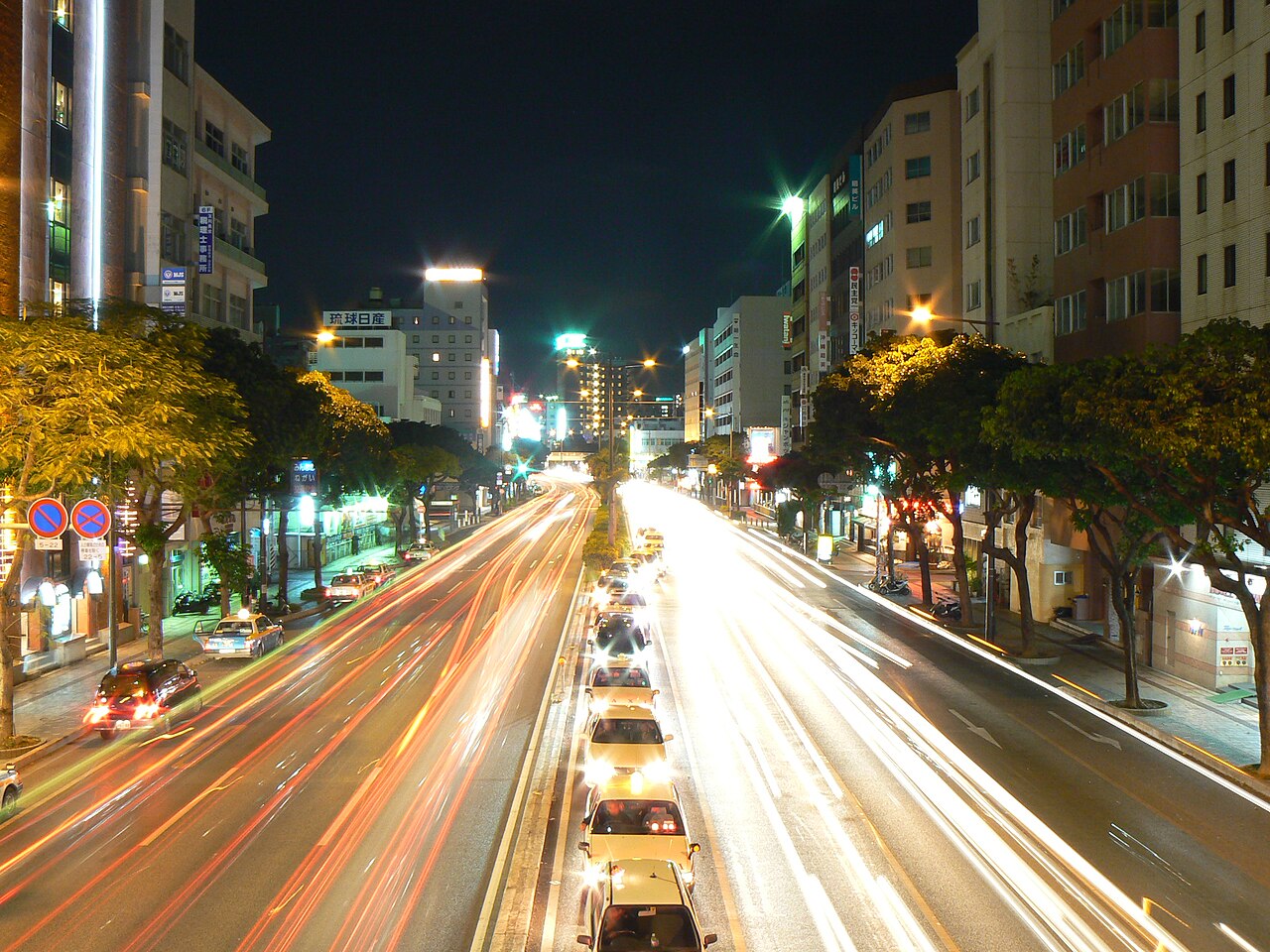
Okinawan road asphalt contains Ryukyu limestone, making roads more slippery than mainland Japan when wet. Route 58 is particularly tricky with heavy traffic and bus-only lanes, requiring extra caution in rain. Sudden tropical squalls can drastically reduce visibility, so reduce speed and maintain generous following distance.
Always turn on headlights in rain and avoid sudden braking or steering. Watch for flooded low-lying roads, and park in covered garages when possible. Check tire condition when picking up your rental car and test the wipers in advance for peace of mind. The key rainy-season driving skill is checking the Yahoo! Weather app's rain cloud radar to monitor rain clouds 15 minutes ahead and adjusting your travel timing accordingly.
Rainy Season Discounts and Flight Tips
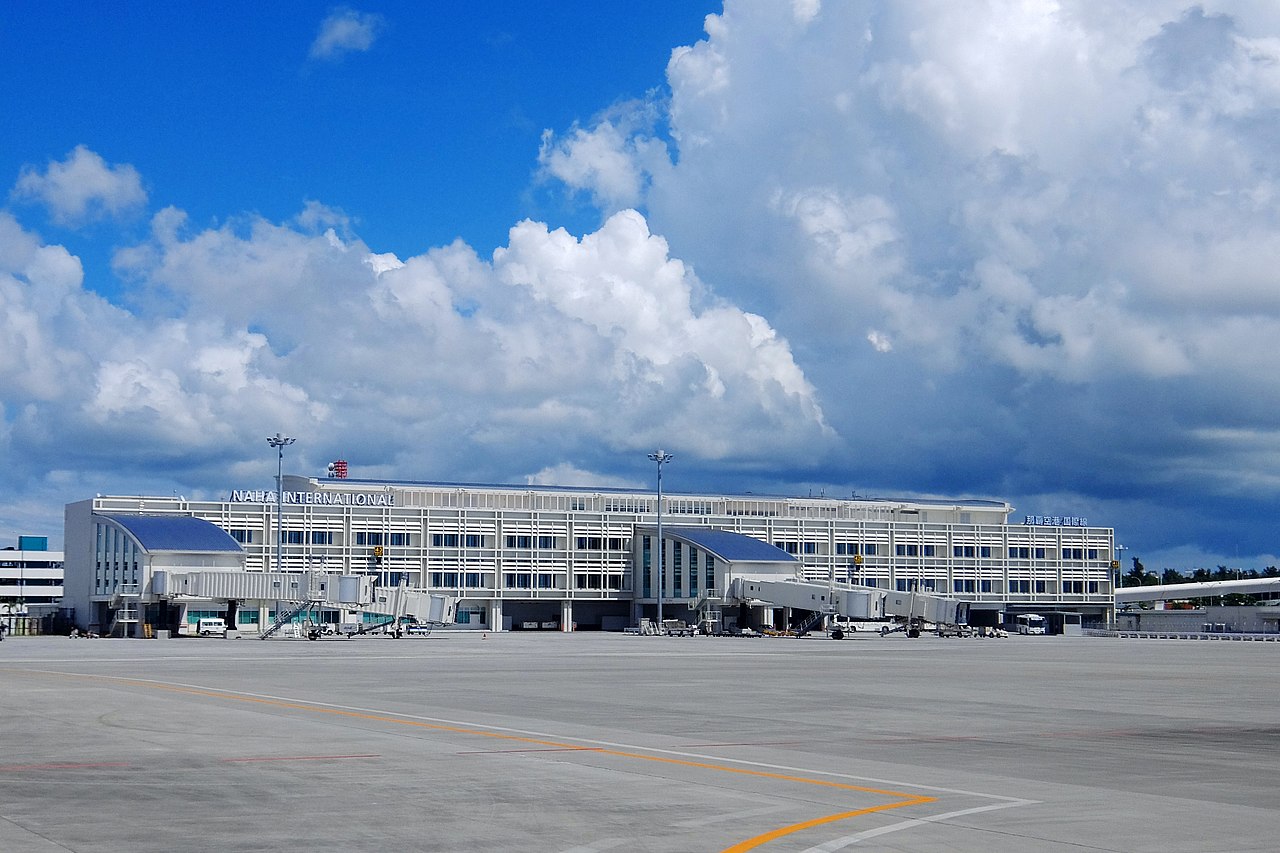
The rainy season is Okinawa's hidden budget season. Hotels are 20–40% cheaper than peak season, and LCC sales (Peach, Jetstar) can offer flights from just 777 yen one-way. Rental cars drop to off-season rates of 3,000–5,000 yen per day for compact cars. Tokyo departure 2-night/3-day package tours fall to 59,800–76,800 yen per person (60–70% of peak season pricing).
Booking tips: 75-day and 55-day early-bird discounts offer the best rates, and Tuesday–Thursday departures are significantly cheaper than Friday–Sunday. Tourist sites are uncrowded, meaning shorter wait times at popular restaurants and a relaxed atmosphere at Churaumi Aquarium and Kokusai Street. Accept the risk that "it might rain" and you can experience the same Okinawa at less than half the peak-season cost — that's the rainy season's ultimate appeal.

Rainy Season Packing List & Practical Tips
Nine essential rainy-season items: (1) Waterproof shoes (sandals with socks also work), (2) Sturdy foldable umbrella (winds can be strong), (3) Lightweight rain jacket (breathability matters), (4) Waterproof phone case, (5) Quick-dry clothing (avoid cotton), (6) Sunscreen (sunshine between showers is intense), (7) Moisture-wicking underwear, (8) Plastic bags (for wet items), (9) Portable battery (for constant rain radar checking).
The key scheduling strategy is "outdoors in the morning, indoors in the afternoon." Mornings tend to be clearer, so hit beaches and sightseeing spots early, then switch to aquariums, workshops, and shopping as afternoon squall probability rises. Check the rain radar hourly and prepare a Plan B for every activity. Pack a cardigan for heavily air-conditioned indoor facilities. And remember — when the rainy season ends (tsuyu-ake), Okinawa's prime high season begins immediately, so targeting the final week of tsuyu can score the lowest costs with potentially perfect weather.