.jpeg)
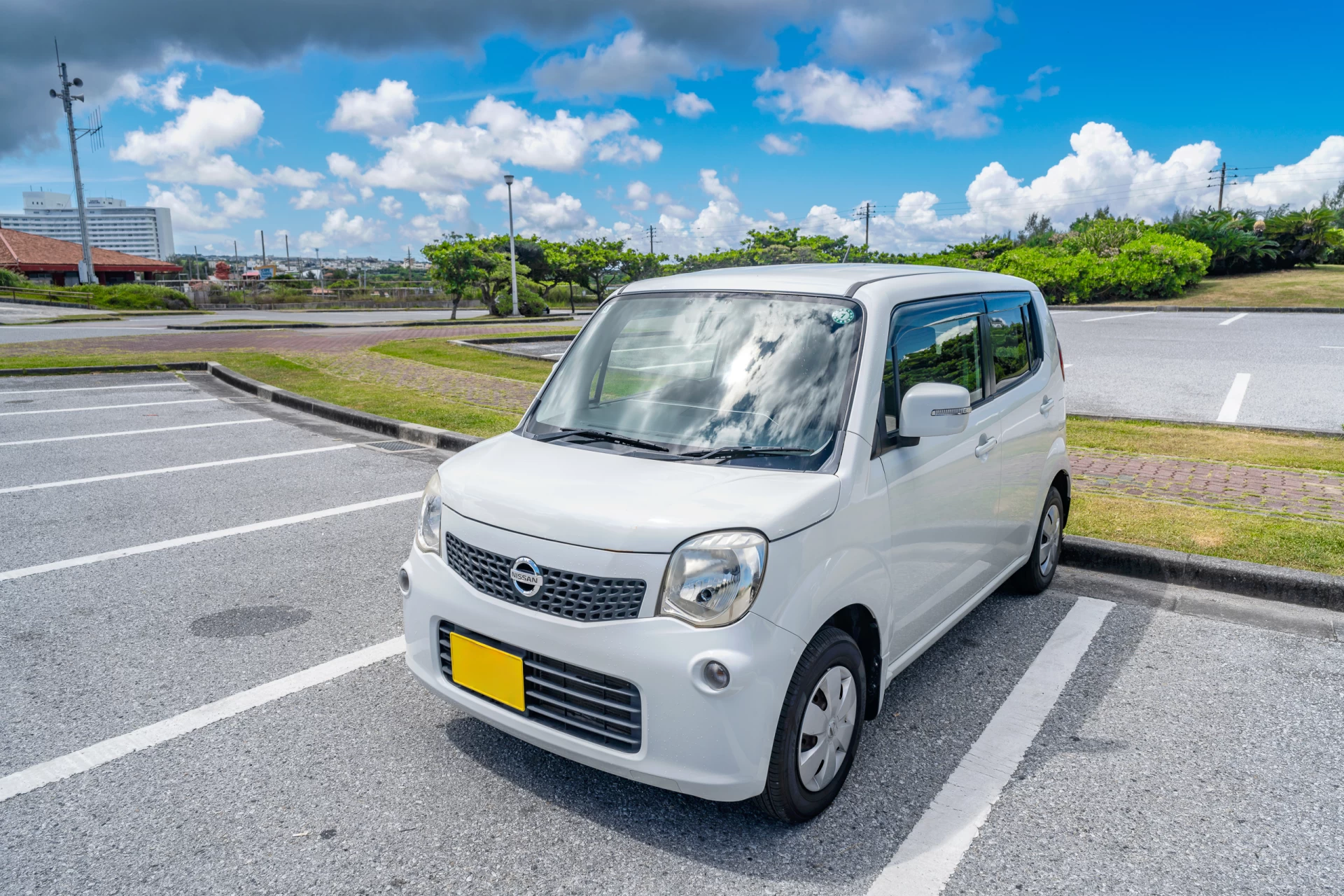
After Sunset — Discovering Another Side of Okinawa
Mention Okinawa and most people picture emerald seas and blazing sunshine. But after the sun dips below the horizon, this island's true magic awakens. Positioned at roughly 26 degrees north latitude, Okinawa is the southernmost place in Japan to stargaze — and the only place in the country where the Southern Cross rises above the horizon.

Subtropical forests transform into entirely different worlds in the dark, bioluminescent plankton set the sea aglow in blue, and fireflies begin dancing as early as February. From stargazing and bioluminescence tours to nighttime jungle safaris and twilight spots that carry you from sunset to city lights — Okinawa's nights are just as packed as its days.
Chasing the Southern Cross — Okinawa's Stargazing Spots
The Southern Cross is visible from Okinawa between December and June, with peak conditions in April and May. Watching four stars form a cross above the southern horizon is a privilege exclusive to Okinawa within Japan. Farther south in the Yaeyama Islands, 84 of the sky's 88 constellations are observable, and Iriomote-Ishigaki National Park earned designation as Japan's first International Dark Sky Park from the IDA in 2018.

Top main-island stargazing spots include Cape Zanpa, Cape Manzamo, Kouri Island, and northern Yanbaru. Cape Zanpa, the westernmost point, offers a magical transition from sunset to stargazing. Its 31-meter lighthouse (300 yen admission) provides a 360-degree panorama. Kouri Island has minimal streetlights, making it ideal for photography tours — one tour is even led by a former black hole researcher (about 45 minutes, 7,500 to 12,800 yen).
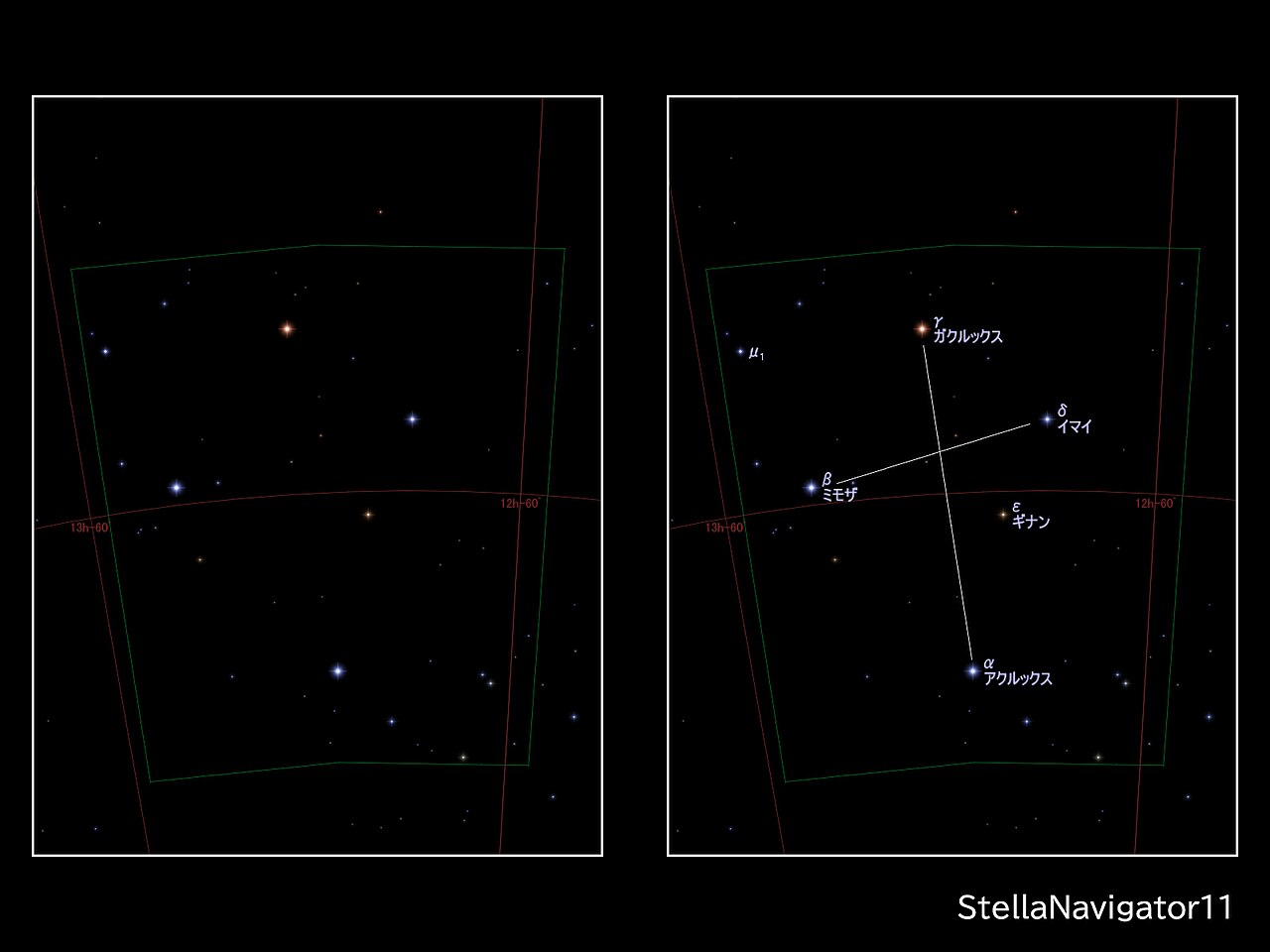
On Ishigaki Island, the annual Southern Island Star Festival in August features a coordinated island-wide lights-out, free observatory sessions, and live music. For serious stargazing, head to Ishigaki; for a casual experience on the main island, Cape Zanpa or Kouri Island are your best bets.
Miracle in Blue — Bioluminescence and Sea Fireflies
Plunge your hand into the pitch-dark sea and the surface explodes in blue light. Noctiluca scintillans are single-celled dinoflagellates that emit blue bioluminescence when physically disturbed. In Okinawa, they're visible from April through October when warmer waters trigger plankton blooms. The Onna Village coastline is the hub for bioluminescence tours.
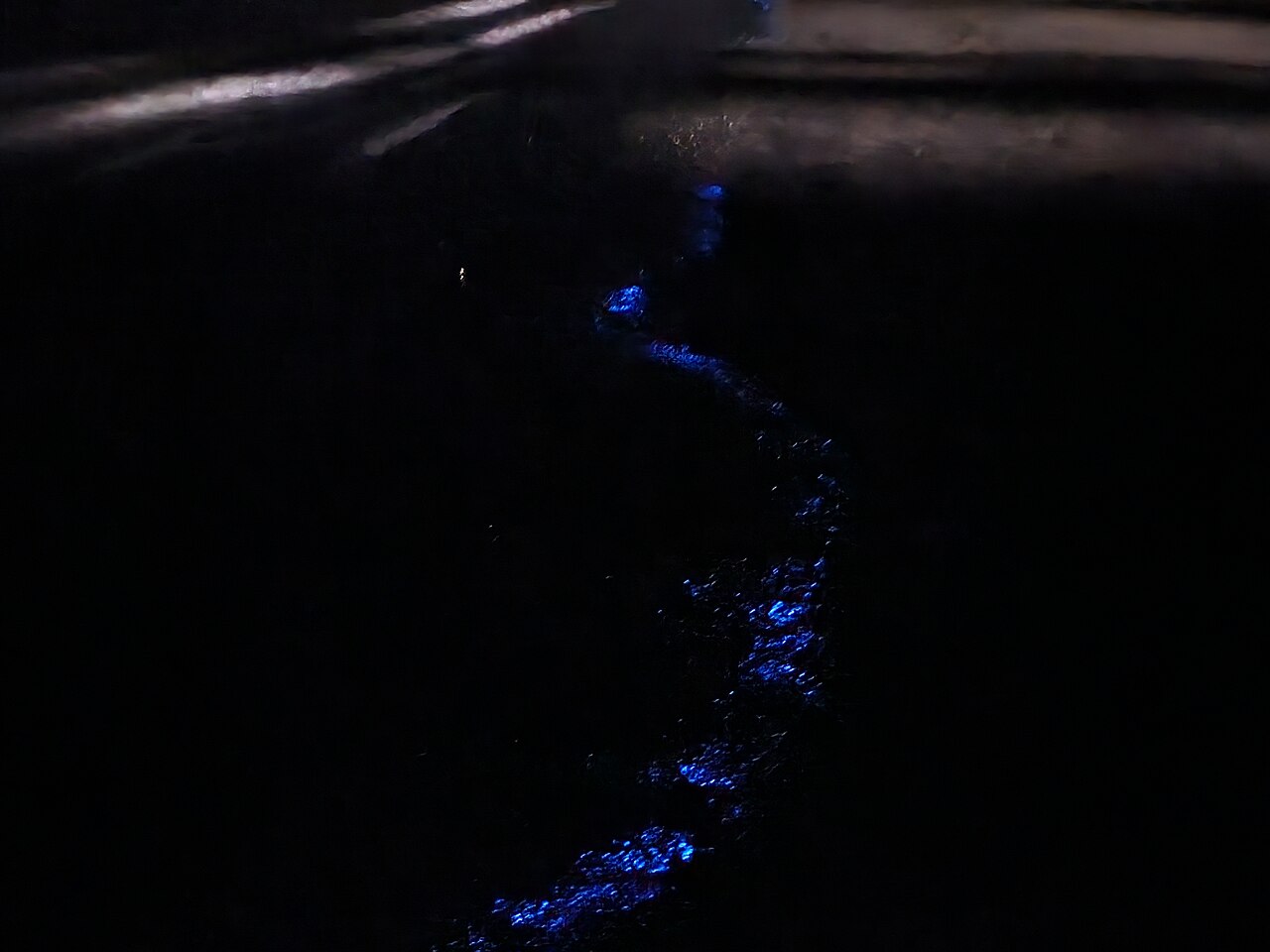
Sea fireflies (Vargula hilgendorfii) are 2-3 millimeter crustaceans that produce light using luciferase enzymes. Tour options include night snorkeling (about 2.5 hours, 6,500 to 6,800 yen), night kayaking (5,800 to 6,800 yen), and LED-board night SUP (about 9,800 yen). Snorkeling offers the most immersive experience, letting you witness the glow from beneath the surface. Calm, windless nights after rain produce the clearest displays.
Yanbaru Night Safari — Encountering Natural Monuments
The UNESCO World Heritage forests of Yanbaru transform into an entirely different realm after dark. The star of the show is the Okinawa Rail, an endemic species and designated natural monument. Shy and hidden in undergrowth during the day, the birds roost on tree branches at night where guides can help you observe them.
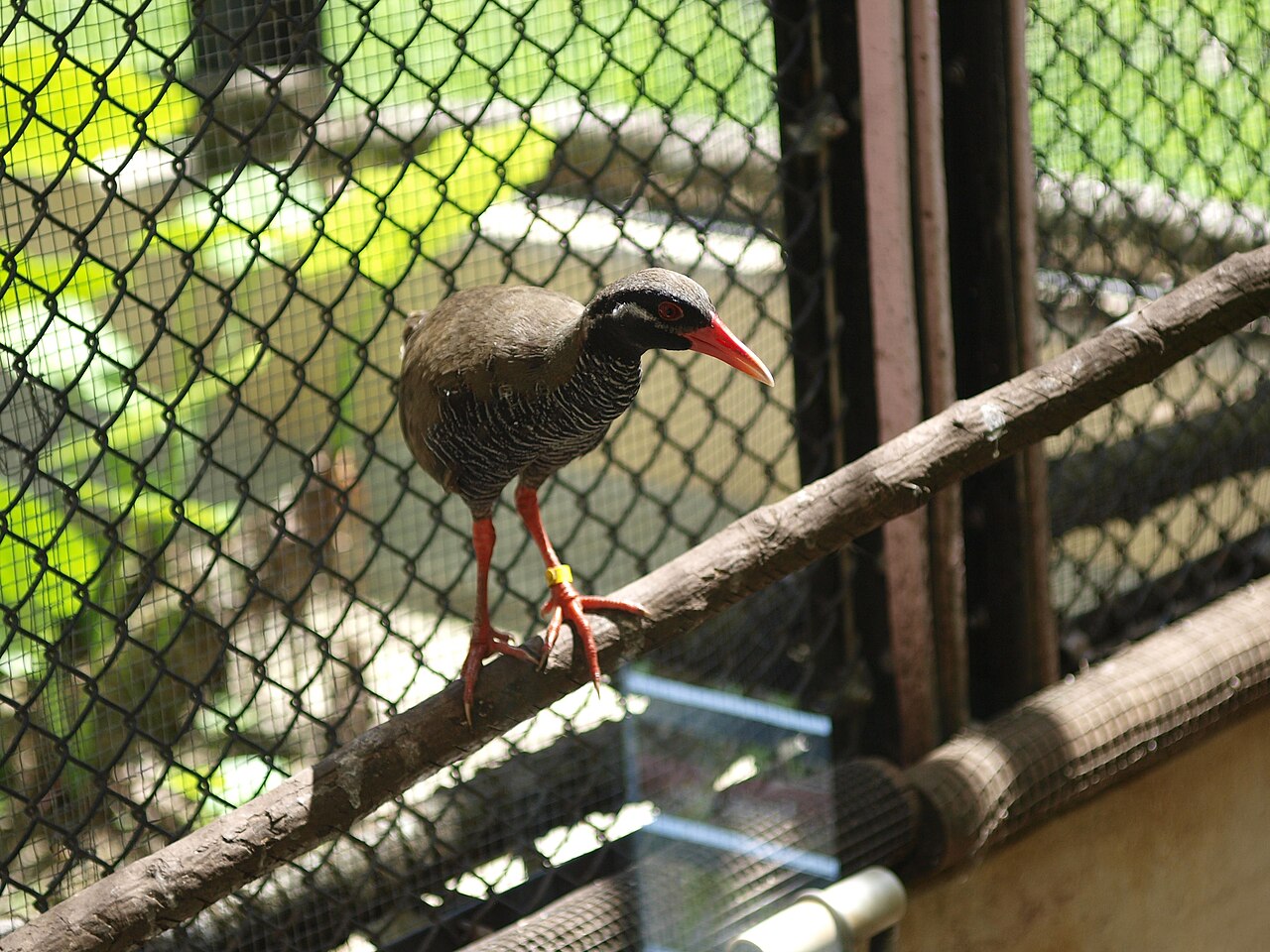
Besides the Okinawa Rail, night tours reveal nocturnal frogs, lizards, fireflies, and bioluminescent insects invisible during daylight. Summer tours run from 8:00 to 10:00 PM and winter tours from 7:00 to 9:00 PM. Prices range from 6,000 yen at Kunigami Forest Park to 16,000 yen for premium private tours. Long pants and closed-toe shoes are mandatory — the forests are home to habu vipers, so you must always stay with your guide.
February Fireflies — Japan's Earliest Spring Light
On mainland Japan, fireflies are a June-July phenomenon. In Okinawa, they appear as early as February. Roughly half of Japan's approximately 50 firefly species live in Okinawa, including several found nowhere else. Thanks to the subtropical climate, firefly season runs from February through May — a full four months ahead of the mainland.
.jpg)
The most accessible viewing spot in Naha is Sueyoshi Park, reachable by the Yui Rail monorail — no car needed. For deeper encounters, head to Iriomote Island for the yaeyama hime-botaru (February to April) or Kumejima for the kumejima-botaru (April to May). The Kumejima firefly is designated under Japan's Species Conservation Act as its population declines, making careful, conservation-minded observation essential.
Sunset to City Lights — Five Twilight Spots
Okinawa's sunsets are masterpieces on their own, but staying for the nightscape that follows effectively doubles your day. Here are five top twilight-to-night destinations.

Senaga Island's Umikaji Terrace, just 15 minutes from Naha Airport, lets you watch the sunset between Mediterranean-style buildings, then enjoy the Senaga Starry Night projection-mapping show starting at 7:30 PM every 30 minutes. With over 40 restaurants and shops, dinner is covered. American Village in Chatan lights up with illuminations from mid-November to mid-March (5:00 PM to midnight, free admission), and the view from the 65-meter Ferris wheel is spectacular.
Churaumi Aquarium's Night Aquarium is an annual August-only event extending hours to 9:00 PM. Night lighting begins at 6:00 PM, and the highlight is lying on mats before the Kuroshio Sea tank, gazing up at whale sharks swimming overhead. Naminoue Shrine is open 24 hours; its stone lanterns illuminating the limestone clifftop shrine create an atmosphere of grandeur completely different from daytime.
Practical Guide — Booking, Clothing & Safety
Night Tour Price Comparison
| Tour Type | Duration | Price | Location |
|---|---|---|---|
| Star Photo Tour | ~45 min | 7,500-12,800 yen | Kouri Island |
| Night Snorkeling | ~2.5 hours | 6,500-6,800 yen | Onna Village |
| Night SUP | ~2 hours | ~9,800 yen | Onna Village |
| Night Kayak | 2-2.5 hours | 5,800-6,800 yen | Central/North |
| Yanbaru Night Tour | 1.5-2.5 hours | 6,000-16,000 yen | Kunigami/Higashi |
What to Wear and Bring: Long pants and closed-toe shoes are mandatory for night tours. Sandals are absolutely forbidden in forest tours due to habu viper habitat. Pack insect repellent, a waterproof phone case, and a rain jacket (umbrellas are impractical in the forest), and use the restroom before departure. Life jackets are mandatory for all water activities and are provided by tour operators.
Best Season for Each Experience: Fireflies shine from February to May, bioluminescence from April to October, the Southern Cross peaks in April-May, and Yanbaru night tours run year-round but are most active in summer. Stargazing is best in winter (November to February) when skies are clearest, while illumination season runs November through March. No matter when you visit, at least one nighttime experience awaits. Spending Okinawa's nights inside your hotel room would be a shame — the island's darkness is simply too beautiful to miss.