Why Okinawa After Dark Is Extraordinary
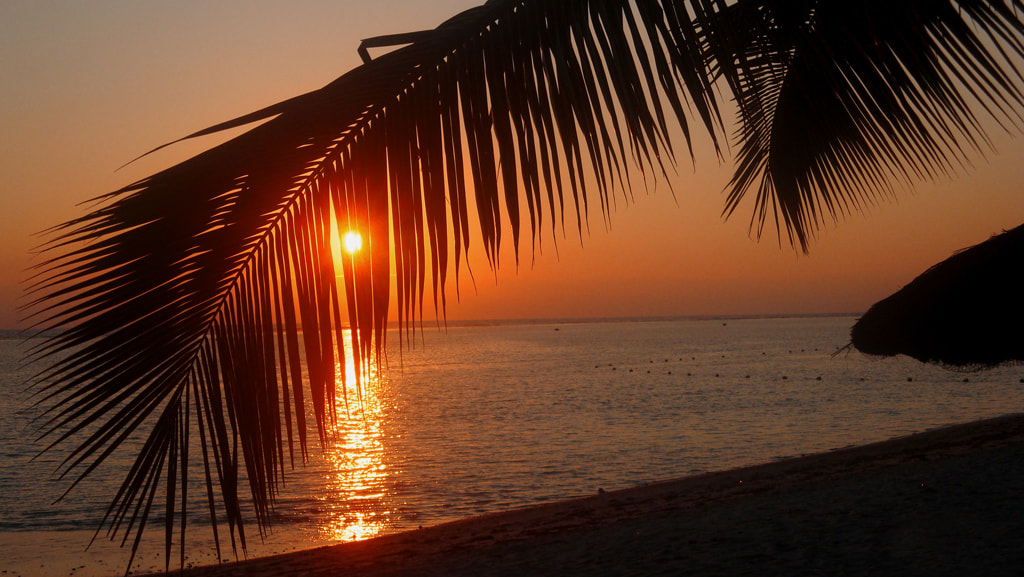
The sun slips below the horizon, and the sky shifts from violet to deep indigo. As most tourists retreat to their hotels, the real Okinawa night begins. Warm subtropical breezes carry the scent of salt and frangipani. Bioluminescent plankton paint the pitch-black ocean in electric blue. Stars you have never seen from the mainland — including the Southern Cross — emerge one by one. Okinawa after dark is an entirely different world.
Here is why Okinawa is a paradise for night activities:
- Year-round warmth — Nighttime temperatures stay above 15°C even in winter, and above 25°C from May to October, making outdoor activities comfortable after dark
- Minimal light pollution — Northern Okinawa and the outlying islands have almost no artificial lighting, creating world-class stargazing conditions
- Rich nocturnal wildlife — The Okinawa rail, giant fruit bats, bioluminescent plankton, and hundreds of species only emerge at night
- Warm ocean waters — Sea temperatures of 24-29°C from May to October make nighttime water activities entirely feasible
Night SUP and Kayaking — Paddling on Glowing Water
The single most popular night activity in Okinawa is night SUP (Stand Up Paddleboarding). Picture this: you are standing on a transparent board fitted with LED lights, and beneath your feet, coral reefs and tropical fish are illuminated in vivid detail. The water glows. Your paddle sends ripples of light across the surface. It feels like hovering over an underwater galaxy.
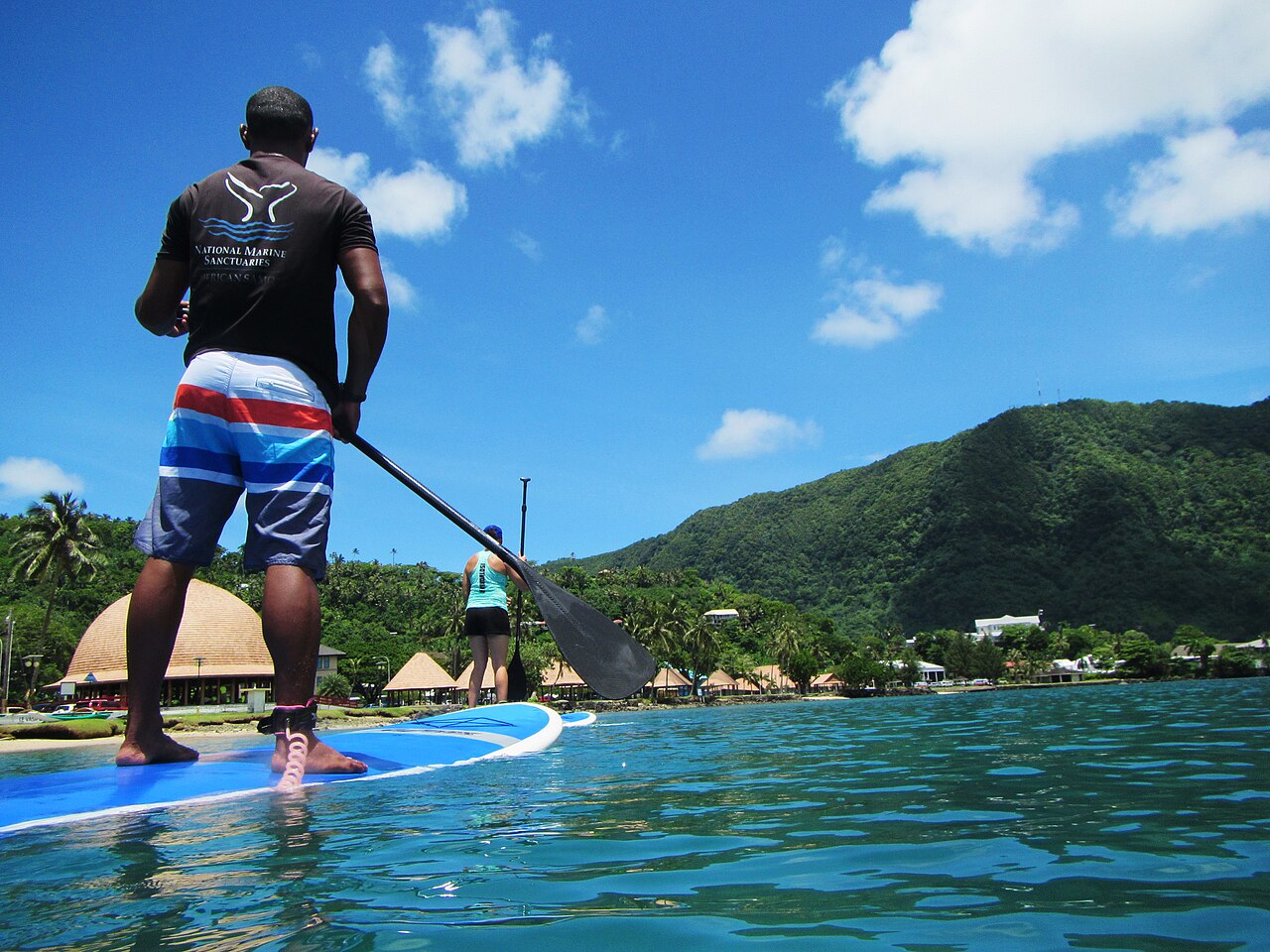
Night SUP essentials:
- Price — 5,000-8,000 yen per person (equipment and guide included)
- Duration — Approximately 1.5-2 hours (including safety briefing)
- Season — May to October (water temperature 24°C and above)
- Popular locations — Onna Village, Chatan, Nago
- Beginner-friendly — Guides accompany all participants, so no prior SUP experience is needed
Mangrove night kayaking is another unforgettable option. In the Hiji River area of northern Okinawa or the Manko Wetland in central Okinawa, you can paddle through mangrove forests under moonlight. The sound of snapping shrimp, the occasional splash of a mudskipper, and the flicker of fireflies skimming across the water create a scene that belongs in a nature documentary. Except you are in it.
Stargazing Tours and Celestial Observation — Hunting the Southern Cross
Okinawa sits at the southernmost point of Japan's main islands, which means it is one of the very few places in the country where you can observe the Southern Cross. Between December and June, this iconic constellation rises above the southern horizon — a sight that draws amateur astronomers and romantics alike.
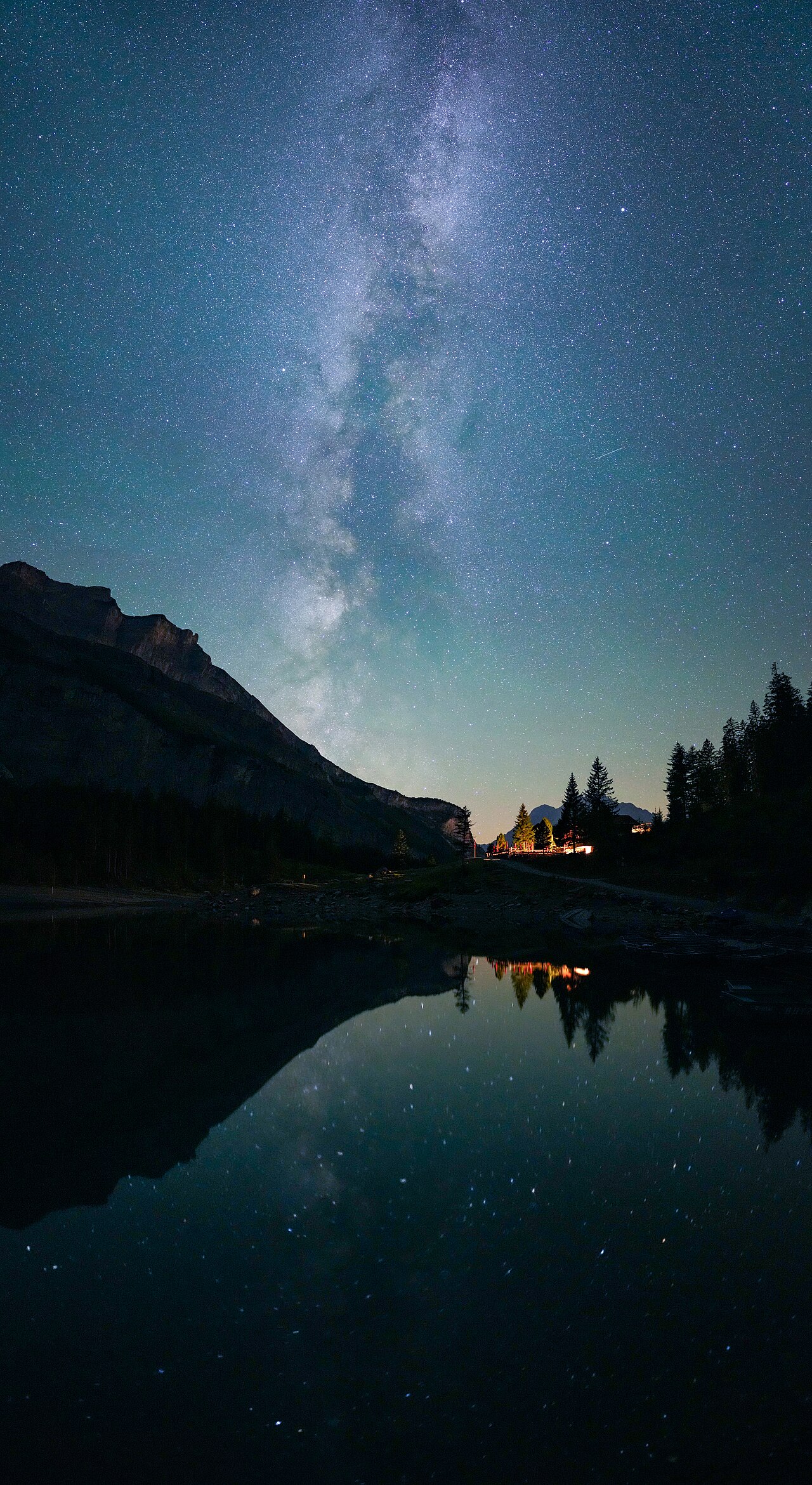
Best stargazing spots:
- Zamami Island — The least light-polluted island in the Kerama chain. The Milky Way is visible to the naked eye, and guided stargazing tours (3,000-5,000 yen) run regularly
- Northern Okinawa (Kunigami Village) — The Yanbaru forest canopy opens to a sea of stars. Cape Hedo offers the darkest skies on the main island
- Miyako Island — One of Japan's premier stargazing destinations. Winter (December to February) brings the clearest, driest skies for optimal observation
- Ishigaki Island — Certified as Japan's first Dark Sky Park in 2018. The definitive location for Southern Cross viewing
Stargazing tips:
- Best months — Winter (December to February) offers the crispest visibility due to dry, clear air. Summer showcases the Milky Way at its brightest
- What to bring — A ground mat, insect repellent, a flashlight with a red filter (to preserve night vision), and a stargazing app
- New moon periods produce the darkest skies and are ideal for observation
Night Diving and Snorkeling — The Ocean's Hidden Night Shift
Creatures that hide during the day emerge after sunset. Okinawa's night diving reveals an ocean you have never seen. The moment you switch off your dive light, bioluminescent plankton respond to every movement of your hands — trails of electric blue light swirl around your fingers like underwater northern lights. It is, without exaggeration, one of the most otherworldly experiences available anywhere on Earth.
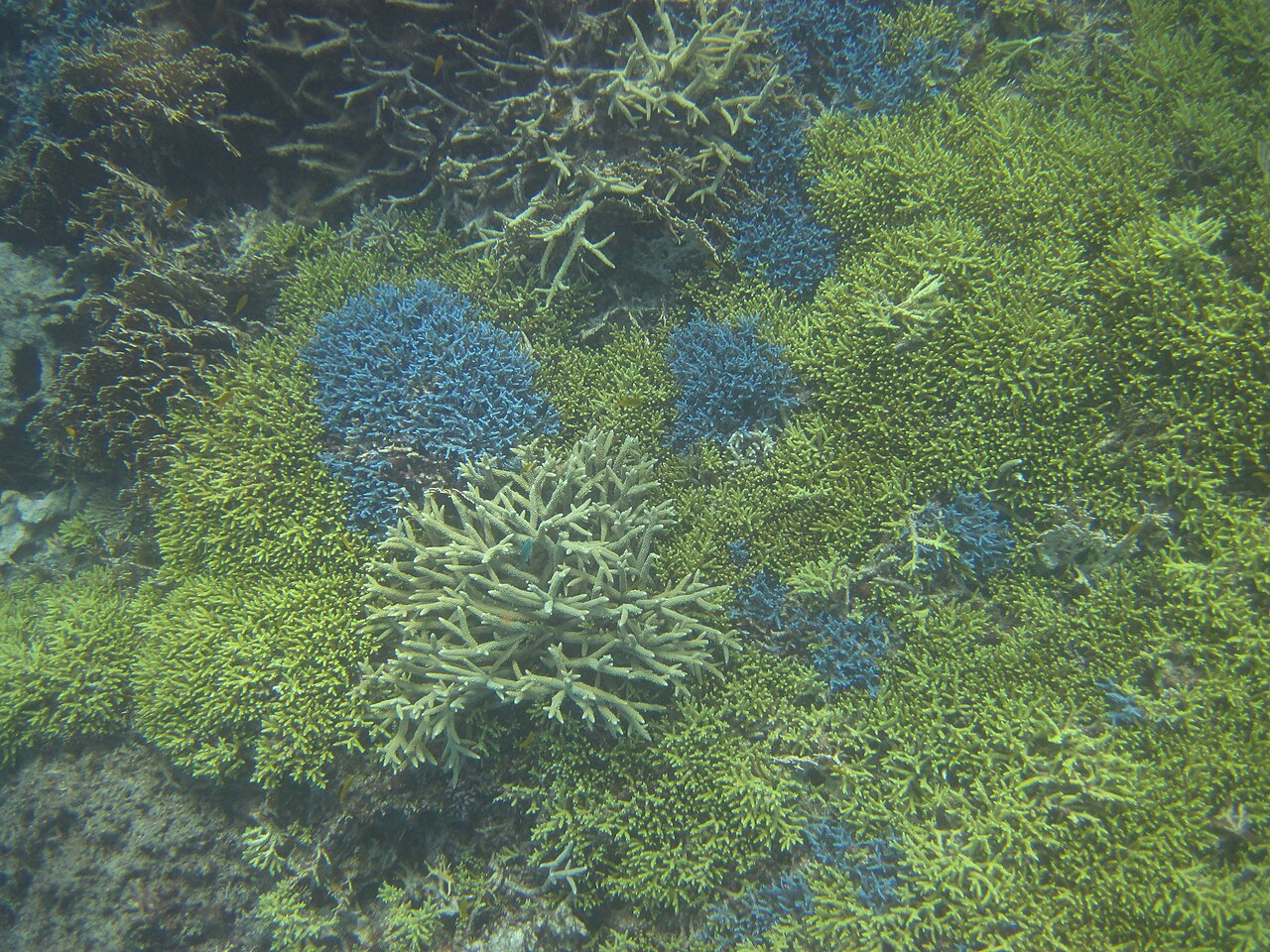
Night diving essentials:
- Price — 12,000-18,000 yen per person (full equipment rental included)
- Requirements — Open Water certification or above (introductory dives are daytime only)
- Popular dive sites — Cape Maeda (Blue Cave), Zamami, Kerama waters
- Season — May to October (water temperature 24-29°C)
Night snorkeling is the accessible alternative — no certification required. With a guide, you explore shallow waters (1-3 meters deep) to observe bioluminescent organisms, nocturnal crustaceans, and sleeping tropical fish in their nighttime resting positions. During summer nights (July to September), bioluminescent plankton are at their most active, and swimming through the water produces an ethereal glow that wraps around your body like liquid starlight.
Nighttime Nature Experiences — Into the Yanbaru Forest After Dark
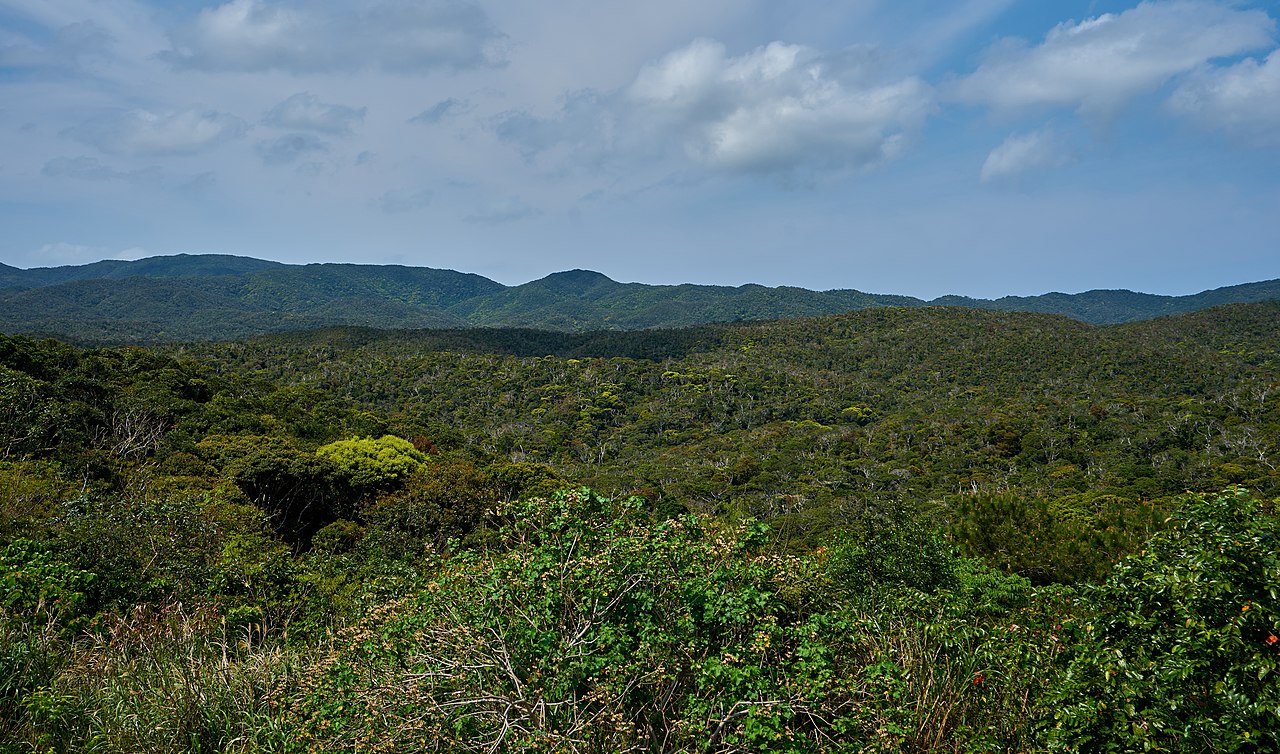
The Yanbaru Forest in northern Okinawa was inscribed as a UNESCO World Natural Heritage Site in 2021. This subtropical old-growth forest is quiet during the day, but after sunset it comes alive with hundreds of nocturnal species, transforming into a living, breathing nighttime ecosystem unlike anything else in Japan.
Wildlife you may encounter on a Yanbaru night trek:
- Okinawa Rail (Yanbaru Kuina) — A flightless bird designated as a natural monument. At night, you can observe it sleeping in the trees above the trail
- Okinawa Flying Fox — A fruit bat with a wingspan exceeding one meter. Watching its silhouette glide across the night sky is genuinely thrilling
- Giant Nephila Spider (Oojorogumo) — Larger than your palm, and completely harmless despite its intimidating appearance
- Fireflies (Hotaru) — Late May to early June is firefly season. Thousands of flickering lights dancing through the dark forest create a scene of pure magic
Night trekking tour details:
- Price — 4,000-7,000 yen per person
- Duration — 2-3 hours (departing just after sunset)
- What to wear — Long pants, closed-toe walking shoes, insect repellent, and a small flashlight
- Firefly season — Late May to early June (a limited window of just 2-3 weeks)
Sunset Cruises and Night BBQ
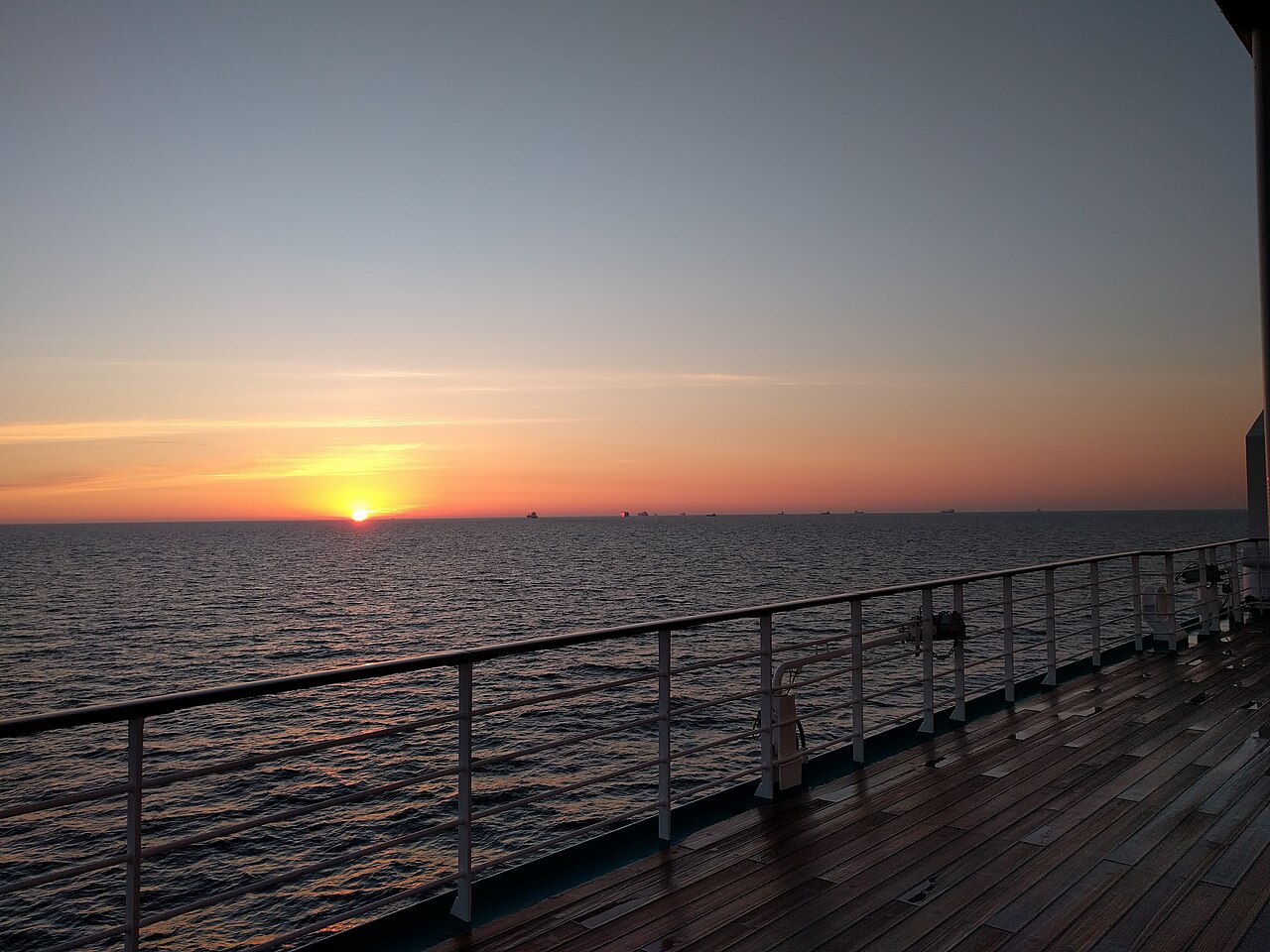
If a day of adventure has left you craving something gentler, a sunset cruise is the perfect way to close the chapter. Sailing along Okinawa's west coast as the East China Sea swallows the sun in a blaze of orange and crimson is, quite simply, one of the most romantic moments a trip to Okinawa can offer.
Sunset cruise details:
- Departure ports — Naha, Chatan, Onna Village
- Price — 4,000-8,000 yen per person (plans with drinks start from 6,000-12,000 yen)
- Duration — Approximately 1-2 hours
- Season — Year-round (April to October recommended, as later sunsets allow a more relaxed experience)
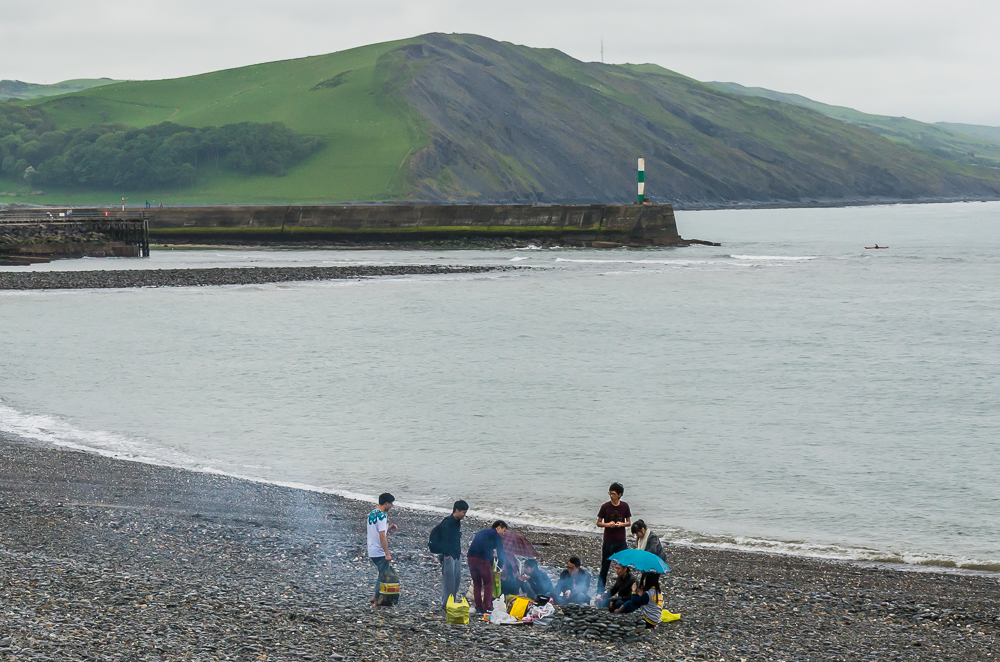
Beach BBQ is the quintessential Okinawa night experience. Near American Village, Sunset Beach and Onna Village's Moon Beach offer organized BBQ programs where you grill Agu pork and Okinawa-raised beef over charcoal while the sky fills with stars. Raise an Orion beer to the night — this is what Okinawa evenings were made for.
- Beach BBQ price — 3,500-6,000 yen per person (food and equipment included)
- Reservations — Book 2-3 days in advance; same-day availability is often limited
Nighttime Cultural Experiences — Okinawa's After-Dark Culture
Beyond nature, Okinawa's nighttime cultural scene offers experiences that you will not find anywhere else in Japan. Traditions stretching back to the Ryukyu Kingdom come alive with particular intensity after the sun sets.
- Eisa dance practice viewing — During summer evenings (July and August), local youth groups practice Eisa drumming and dancing in preparation for the Obon festival. Unlike staged tourist performances, this is the real thing — raw, energetic, and free to watch
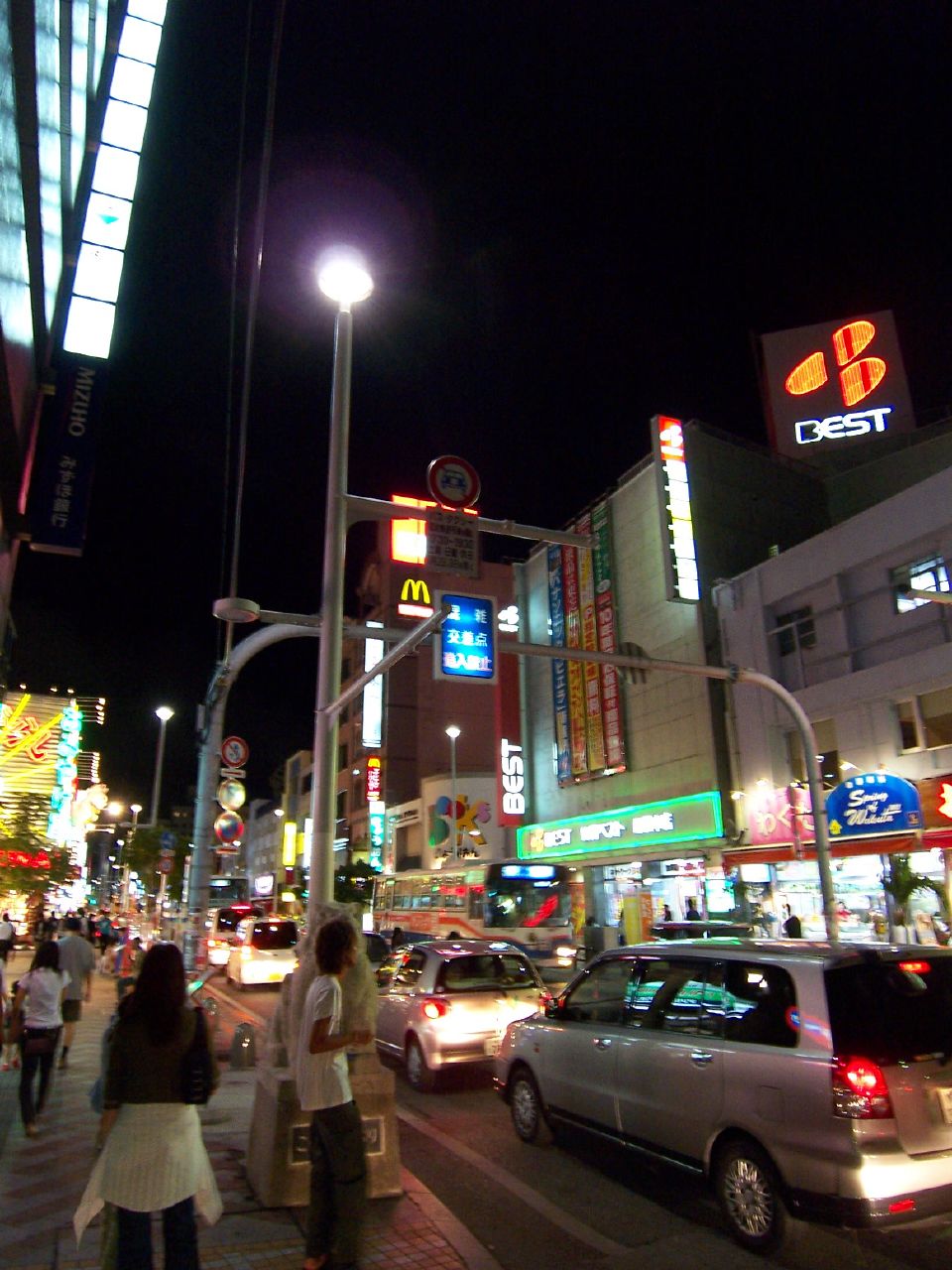
- Night markets — Around Naha's Noren Market and the back streets of Kokusai Street, evening food stalls serve authentic Okinawan home cooking and street food
- Izakaya culture — Okinawa's izakayas are unlike those on the mainland. Evenings start with awamori (Okinawa's native spirit), followed by goya champuru, rafute braised pork, and umi-budo sea grapes — true Okinawan soul food enjoyed late into the night
- Churaumi Aquarium night opening — During summer (July and August), the aquarium extends hours until 20:00. Under atmospheric nighttime lighting, watching whale sharks and manta rays glide through the enormous Kuroshio Tank is a completely different experience from a daytime visit
Frequently Asked Questions
Q. Is it safe to do outdoor activities at night in Okinawa?
A. Yes, Okinawa is one of the safest regions in Japan. All night tours include professional guides, safety equipment, and thorough briefings. The only natural hazard to be aware of is the habu (pit viper) — which is precisely why guided forest treks are recommended over solo exploration.
Q. How far in advance should I book?
A. During peak season (July to September, and year-end holidays), book at least one week ahead. Firefly tours (May to June) have an extremely short season, so two weeks in advance is safer. In the off-season, 2-3 days' notice is usually sufficient.
Q. What should I wear and bring?
A. For water activities, wear a swimsuit with a rash guard. For forest treks, long pants and closed-toe shoes are essential. Universally useful items include insect repellent, a small flashlight, and a towel. Most tours provide all specialized equipment.
Q. Are night activities suitable for children?
A. Stargazing tours, beach BBQ, and night kayaking (with a parent) welcome all ages. Night SUP typically requires participants to be at least 6 years old. Night diving is restricted to those aged 15 and above with certification. Forest treks are generally recommended for elementary school age and above.
Q. What happens if it rains?
A. Most outdoor tours may be cancelled due to weather conditions. Always confirm the cancellation and rebooking policy at the time of reservation. Rain-proof alternatives like izakaya hopping and the nighttime aquarium remain enjoyable regardless of the weather.


