An Okinawa Izakaya Night — A Different World from the Mainland
The first thing you notice walking into an Okinawa izakaya is the drink menu. While mainland Japanese izakaya revolve around sake (nihonshu), Okinawa has zero sake breweries. Instead, the 500-year-old distilled spirit awamori takes center stage. The unwritten rule is to start with the local Orion Beer — call out "Toriaezu nama de!" (Draft beer for starters!) and your Okinawan night begins.
The toast isn't "kampai" but "karii!" The kanji 嘉例 means "auspicious occasion" — the toast itself carries a wish for happiness, embodying Okinawa's warm spirit. Many izakaya feature live sanshin (three-stringed instrument) performances where guests dance and clap along — a living tradition called min'yo izakaya (folk song izakaya). With the subtropical climate comes open-air seating and an atmosphere more relaxed and warm than mainland establishments.

Awamori — 500 Years of Distilled Spirit
Awamori is Japan's oldest distilled spirit. The distillation technique arrived from the Ayutthaya Kingdom (present-day Thailand) in the 15th century during Ryukyu's maritime trade era, and the production method has remained virtually unchanged for 500 years. In December 2024, UNESCO inscribed traditional Japanese brewing techniques including awamori as Intangible Cultural Heritage. Across Okinawa, 47 distilleries produce approximately 1,000 varieties.
The ingredients are Thai indica (long-grain) rice and black koji mold (Aspergillus luchuensis). Black koji generates copious citric acid, preventing bacterial contamination in Okinawa's hot, humid climate. ABV ranges from 25% to 43%. Awamori aged 3+ years earns the designation "kusu" (古酒), developing vanilla and caramel notes. Leading brands include Zanpa, Kumesen, and Zuisen. Popular ways to drink: on the rocks, with water (awamori 3 : water 7), or as a highball with Okinawa's native citrus shikuwasa.

7 Must-Order Dishes at an Okinawa Izakaya
1. Goya Champuru (600-900 yen) — Bitter melon stir-fried with island tofu, egg, and pork. "Champuru" means "mixed" in Okinawan dialect (from Indonesian "campur"). Goya has twice the vitamin C of lemons and is celebrated as a longevity food. 2. Rafute (600-1,200 yen) — Pork belly braised for hours in awamori, soy sauce, and brown sugar — a Ryukyuan royal court dish so tender it cuts with chopsticks. Its resemblance to Chinese dongpo rou reflects centuries of Ryukyu-China trade.

3. Umibudo / Sea Grapes (500-800 yen) — Green algae nicknamed "green caviar" for its satisfying pop-in-your-mouth texture. Okinawa produces 99% of Japan's supply. 4. Jimami Tofu (400-600 yen) — Custard-textured "tofu" made from peanut milk and sweet potato starch (peanut allergy warning). 5. Taco Rice (500-900 yen) — Born in 1984 at King Tacos in Kin Town, this Okinawan-American fusion puts taco fillings over rice. 6. Soki Soba (600-1,000 yen) — Wheat noodles (not buckwheat!) topped with braised pork spare ribs. 7. Mozuku Tempura (400-700 yen) — Over 90% of Japan's mozuku seaweed comes from Okinawa, transformed into crispy fritters.
.jpg)
Naha Kokusai-dori Izakaya Guide
Kokusai-dori is Naha's 1.6km main street, nicknamed the "Miracle Mile" for its rapid post-war rebirth from total destruction. Located between Makishi and Kencho-mae monorail stations. Main-street izakaya tend to be tourist-oriented and slightly pricier, so the real gems hide in the side alleys branching off the main drag.
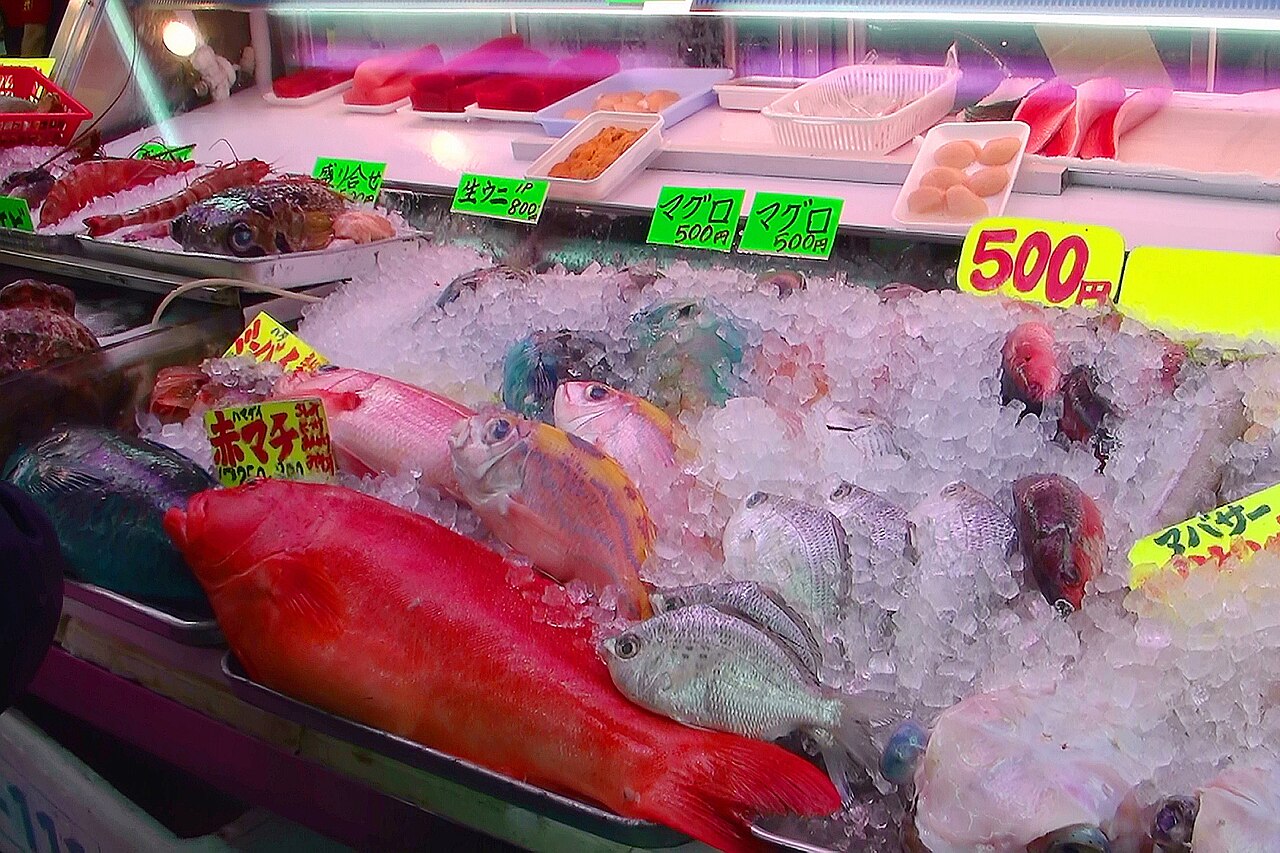
The Makishi Public Market, reopened March 2023 after a complete rebuild, is "Naha's Kitchen." Buy colorful tropical fish or pork cuts on the 1st floor and have them cooked upstairs for about 500 yen per dish. Sakurazaka, a former geisha district, is now Naha's premier bar alley with intimate 5-10 seat bars open until 2-5 AM. Naha Noren Gai is a massive 3-floor, 40-restaurant food hall open until 4 AM. Budget guide: main street 3,000-5,000 yen, market 2nd floor 1,500-3,000 yen, side alleys 2,000-3,500 yen per person.
Chatan American Village Fusion Food Culture
Okinawa was under US military administration for 27 years (1945-1972), and about 18% of the main island remains occupied by US bases today. This history created a fusion food culture found nowhere else in Japan. During the occupation, restaurants needed to pass hygiene inspections and earn an "A-Sign" (Approved) to serve American servicemen. This system both raised standards and embedded American menus into Okinawan cuisine.
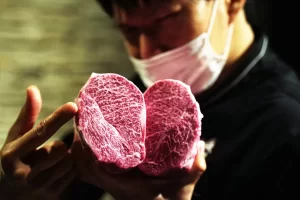
Taco rice was born in 1984 at King Tacos outside Camp Hansen in Kin Town. Owner Matsuzo Gibo wanted affordable food for Marines, replacing taco shells with rice — cheaper, faster, more filling. Okinawa's steak culture also stems from the military era, with the highest per-capita steak consumption in Japan. While mainlanders finish a drinking night with ramen, Okinawans go for "shime steak" — a closing steak. Steak House 88 (est. 1955) and Jack's Steak House (est. 1953) are A-Sign era legends still going strong.
Orion Beer and Okinawa Craft Drinks
Orion Beer was founded in 1957 in Nago City. The name, chosen from 2,500 newspaper contest entries, comes from the Orion constellation visible in Okinawa's clear winter skies. Using German malt and hops plus Czech Saaz hops, Orion brews an American-style light lager perfectly suited to the subtropical climate. In 1964, it held 83% of Okinawa's beer market and still commands over 50% today. The Orion Happy Park (Nago factory) offers brewery tours (30 min) and tasting sessions (20 min) by reservation.
The craft beer scene is growing. Helios Brewery (Nago, craft beer since 1996) is popular for its shikuwasa white ale, while Chatan's Harbor Brewery serves craft beer with local ingredients at American Village. For non-alcoholic options, sanpin-cha is Okinawa's national beverage — a jasmine tea introduced through Ryukyu-China trade, available in every vending machine and convenience store. For the adventurous, habu-shu is awamori infused with a venomous pit viper — more conversation piece than daily drink.

Izakaya Practical Guide and Etiquette
When you sit down at an izakaya, a small dish you didn't order appears. This is otoshi — a compulsory table-charge appetizer costing 300-500 yen per person, functioning as Japan's alternative to tipping. Nomihodai (all-you-can-drink) runs 1,500-2,500 yen for 90-120 minutes, covering draft beer, highballs, and awamori cocktails. Typical budget: 2-3 dishes + 2-3 drinks for 2,000-3,000 yen, or 4-5 dishes + nomihodai for 3,000-5,000 yen.
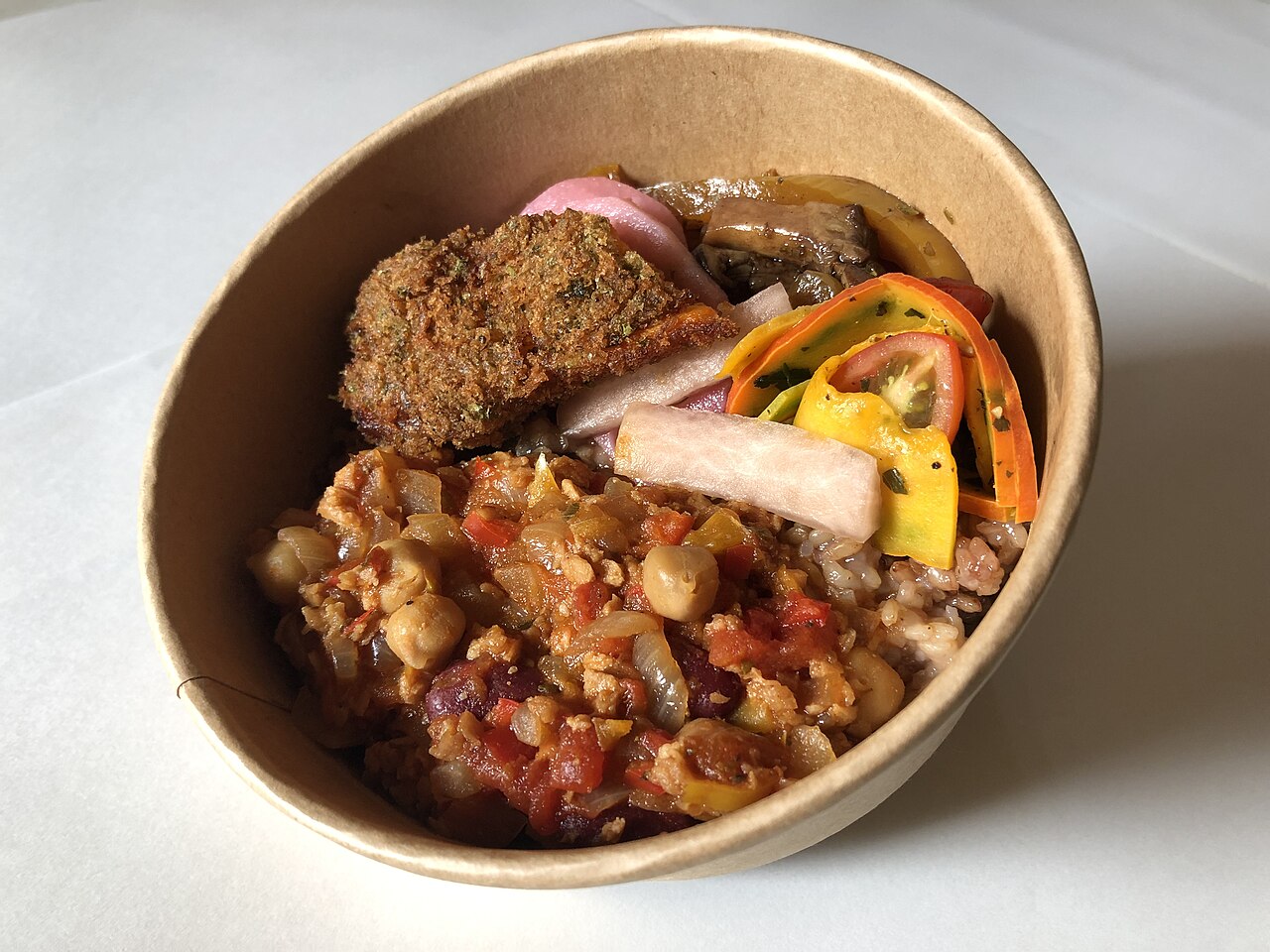
Most izakaya take last orders at 23:00-midnight. Sakurazaka bars stay open until 2-5 AM. Do NOT tip — it can cause confusion. Vegetarian and halal options are very limited at traditional izakaya, so check in advance. Jimami tofu contains peanuts (allergy alert). Many small izakaya are cash-only, so carry yen. To pay, make an X with your fingers or say "Okaikei onegaishimasu." And remember — in Okinawa, the night doesn't end with ramen. It ends with steak.