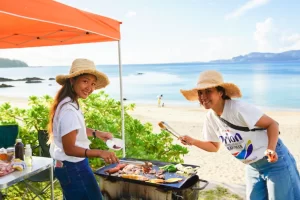
Welcome to Okinawa's Kitchen
After the ocean, food is the biggest draw of any Okinawa trip. From Ryukyu Kingdom court cuisine to fusion dishes born of the US military presence, this island's table is a living history lesson. And nowhere does that history breathe more vividly than in Naha's markets. Centered on Makishi Public Market — called "Okinawa's Kitchen" since the 1950s — this guide takes you through the back alleys of Heiwa-dori and the standing-bar lanes of Sakaemachi to find flavors no guidebook covers.
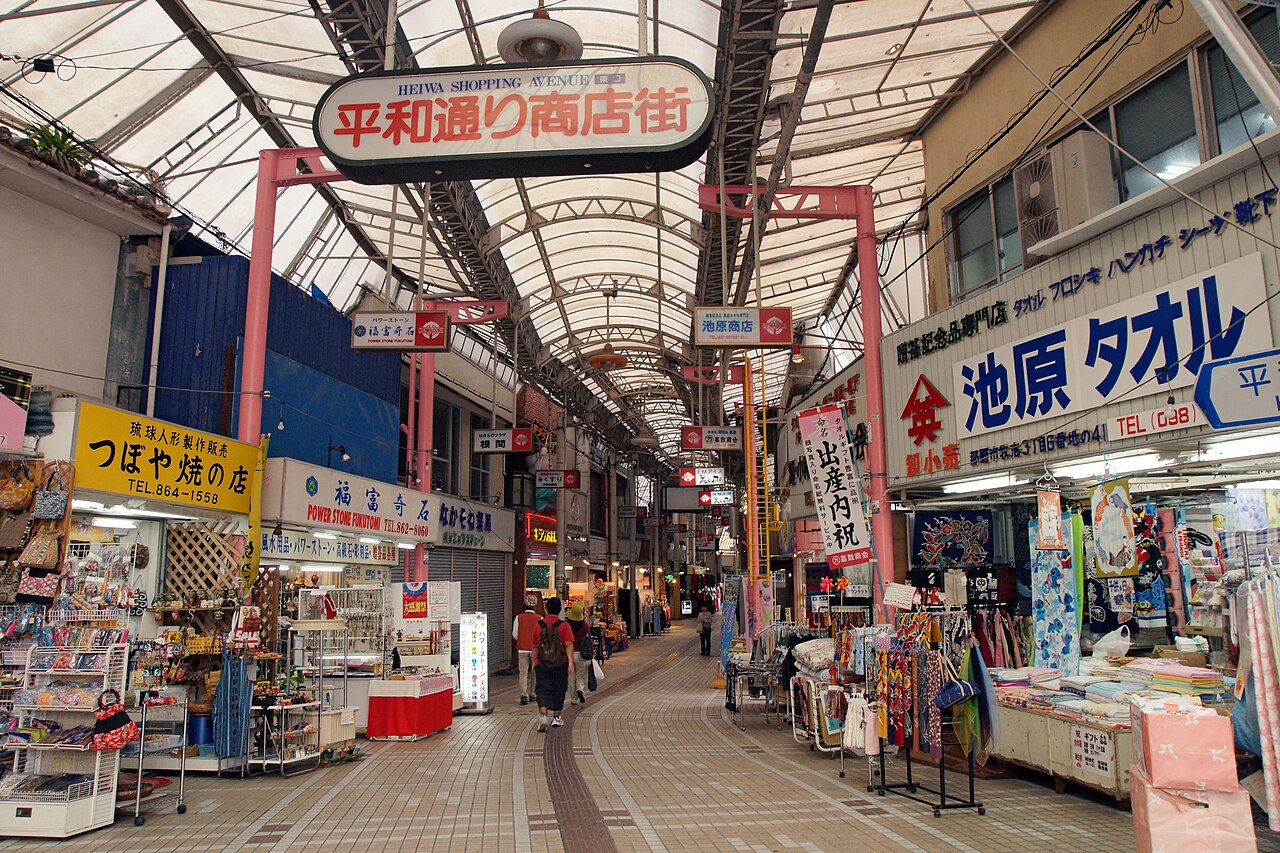
Naha's market culture goes far beyond shopping. It's a system where you buy fish downstairs and have it cooked upstairs, a neighborhood where 100-yen grilled offal pairs with awamori in Sakaemachi at night, and a street that transforms into a pedestrian paradise every Sunday afternoon. Know the markets, and you'll see a completely different Okinawa.
Makishi Public Market — Buy Downstairs, Eat Upstairs
The First Makishi Public Market reopened on March 19, 2023, after a complete rebuild. For over 70 years since the 1950s, this market has been the beating heart of Okinawa's food culture. It features a first-floor seafood, meat, and produce market and a second-floor food court with approximately 12 restaurants. It's about 15 minutes by car from Naha Airport or a 10-minute walk from Makishi Station on the Yui Rail.

The highlight is the mochiage system. Choose colorful tropical fish like gurukun (Okinawa's official prefectural fish) or irabucha (parrotfish) from the first-floor vendors, then carry your purchase upstairs to the food court. The kitchen staff will cook it to your preference — butter-fried, salt-boiled (maas-ni), deep-fried, or as miso soup. The cooking fee is about 500 to 550 yen per person, while sashimi preparation is handled by the fish vendor at no extra charge. Restaurant Tsubame is credited as the originator of this unique system.
Hours are 8:00 AM to 10:00 PM (individual shops may vary), with last orders for first-floor mochiage ingredients at 7:45 PM and second-floor dining at 8:00 PM. Closed on the fourth Sunday of each month (except December), January 1-3, Lunar New Year, and two days following Obon.
Market Shopping — Flavors You'll Find on the First Floor
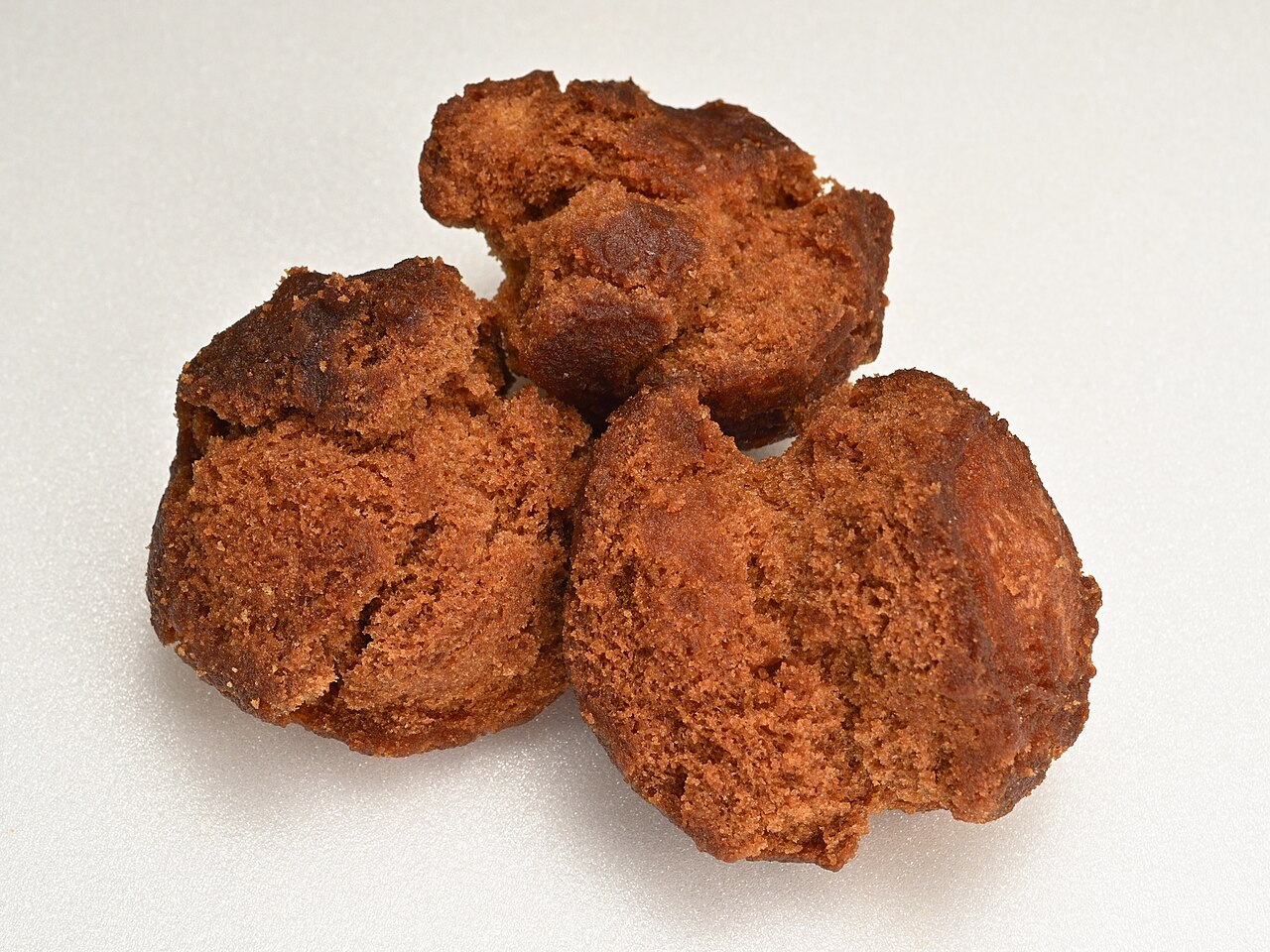
Sata andagi are Okinawan doughnuts with a crispy shell and dense, cake-like interior that becomes addictive fast. Originally made for festivals and temple offerings, they're now available freshly fried throughout the market (100 to 200 yen each). Brown sugar and purple sweet potato flavors are popular. Rafute is pork belly braised for over two hours in awamori, brown sugar, and soy sauce — a celebratory dish dating back to the Ryukyu Kingdom. Jimami tofu is made from peanuts rather than soybeans, with a sticky, pudding-like texture closer to dessert than tofu (peanut allergy warning).
Umibudo (sea grapes) pop like caviar on your tongue and are dipped in ponzu. Never refrigerate them — cold temperatures destroy their texture (300 to 500 yen per pack). Shima tofu (island tofu) is three times heavier and 1.3 times more protein-rich than mainland tofu, making it the backbone of champuru stir-fries. At the meat counter, you'll spot chiragaa (pig face) — Okinawans famously say they eat every part of the pig except the squeal.
Heiwa-dori & Sakaemachi — Exploring Local Back Alleys
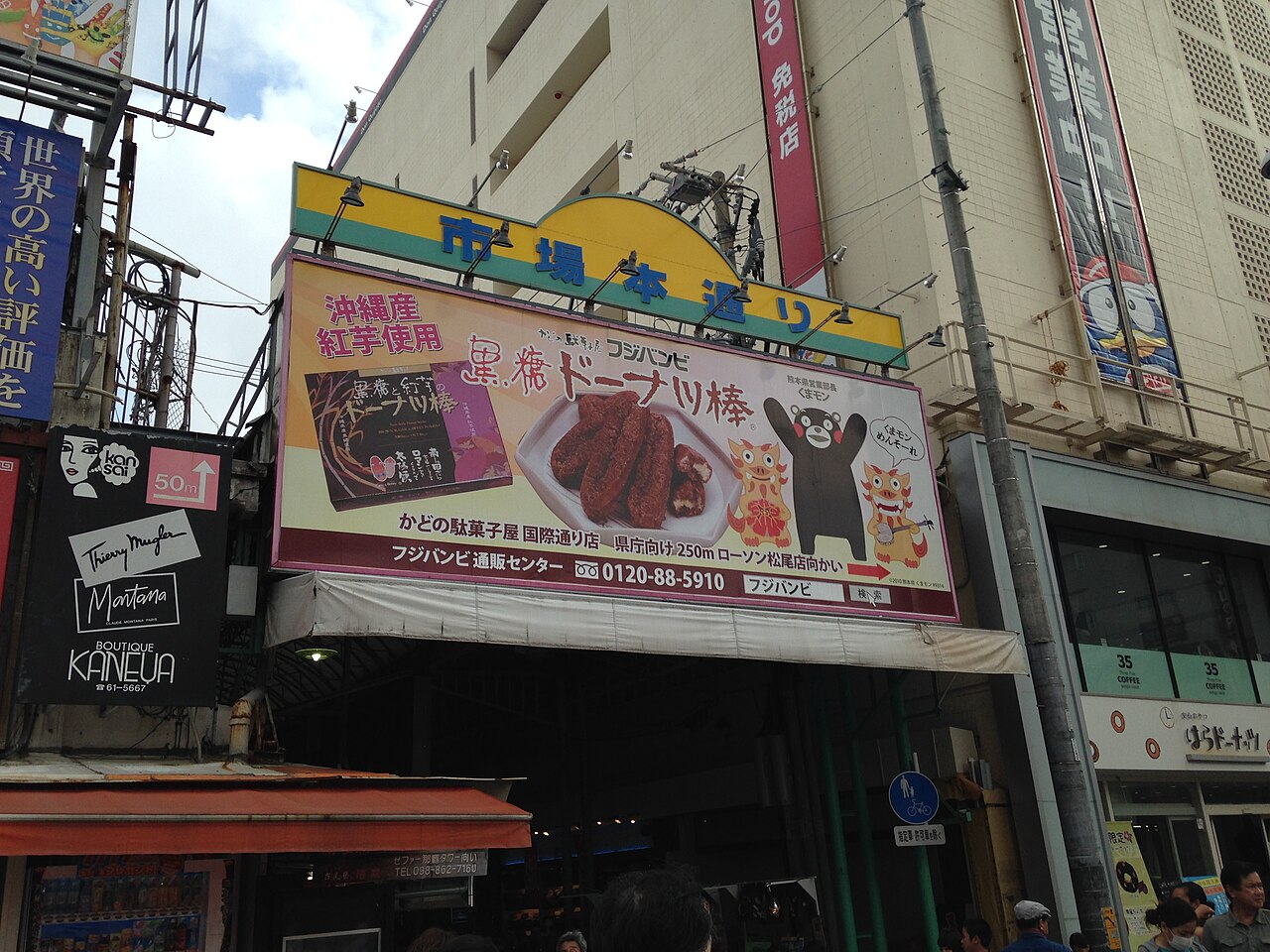
Step out of Makishi Market and the 336-meter Heiwa-dori covered arcade stretches before you. Named through a public competition in 1951, this street packs about 200 shops selling souvenirs, Okinawan sweets, and handmade crafts. A new generation of younger shop owners has revived what was once a declining arcade into one of Naha's best food streets.

For the real local experience, head to Sakaemachi Yokocho. A 15-minute walk from Asato monorail station, this market formed in 1955 packs about 150 bars, restaurants, and shops into narrow alleys evoking the Showa era. After dark, it buzzes with locals enjoying 100 to 200-yen grilled offal alongside glasses of awamori. English menus are rare, but gestures and smiles go a long way.
American Legacy — From Taco Rice to Blue Seal
A unique strand of Okinawa's food culture is the legacy of the US military presence. The crown jewel is taco rice. Created in 1984 by Matsuzo Gibo at his restaurant near Camp Hansen in Kin Town, it layers taco-seasoned ground beef, cheese, lettuce, tomato, and salsa over white rice. It was born to feed Marines whose spending power had dropped after Okinawa's 1972 reversion to Japan brought currency changes. The original King Tacos Kin branch still serves it for 500 to 800 yen.
.jpg)
Blue Seal ice cream was born inside a US military base in 1948, operating under the slogan "Born in America, Raised in Okinawa." With over 30 flavors including beni-imo, Okinawan salt cookie, shikuwasa sherbet, and chinsuko, shops dot Kokusai-dori and American Village (350 to 500 yen per cone). A&W opened its first overseas location in Okinawa in 1963 under US military rule and still operates 23 locations exclusively in Okinawa — Japan's only A&W restaurants. The root beer float is the signature order.
Farmers' Markets & Itoman — Fresh From the Source
For a step beyond prepared food, explore the raw ingredient world. Michi-no-Eki Itoman is Japan's southernmost roadside station and a five-facility food complex. The Umanchu Market, which opened in 2002 as Okinawa's first JA farmers' market, overflows with subtropical produce — goya (bitter melon), shikuwasa (Okinawan citrus), dragon fruit, and mango.
The Fish Center sells the day's catch from Itoman's fishing port, with an eat-in area where you can enjoy your purchases on the spot. In Naha proper, the Tomari Iyumachi fish market is popular with early risers seeking the freshest sashimi. Okinawa produces 99 percent of Japan's mozuku seaweed, and premium Agu pork and Ishigaki beef are also available at market stalls.
Practical Guide — Budget, Cash & Etiquette
Budget Guide
| Item | Price | Where |
|---|---|---|
| Mochiage meal (ingredients + cooking) | 1,500-3,500 yen | Makishi Market |
| Sata andagi | 100-200 yen each | Throughout markets |
| Taco rice | 500-800 yen | King Tacos, Kin Town |
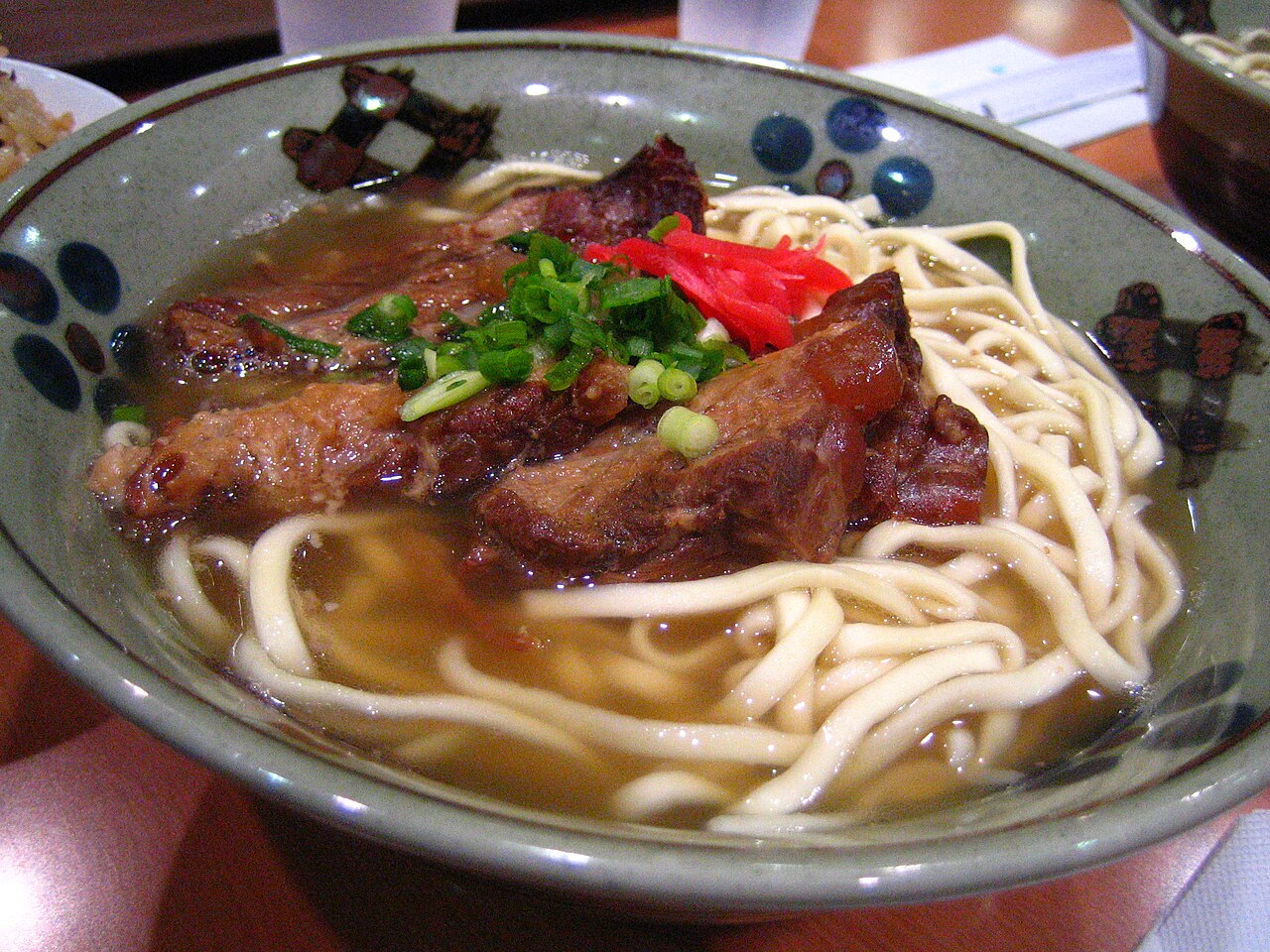
| Soki soba | 700-1,000 yen | Market 2F / specialty shops |
| Blue Seal ice cream | 350-500 yen | Official shops |
| Sea grapes | 300-500 yen/pack | Makishi 1F |
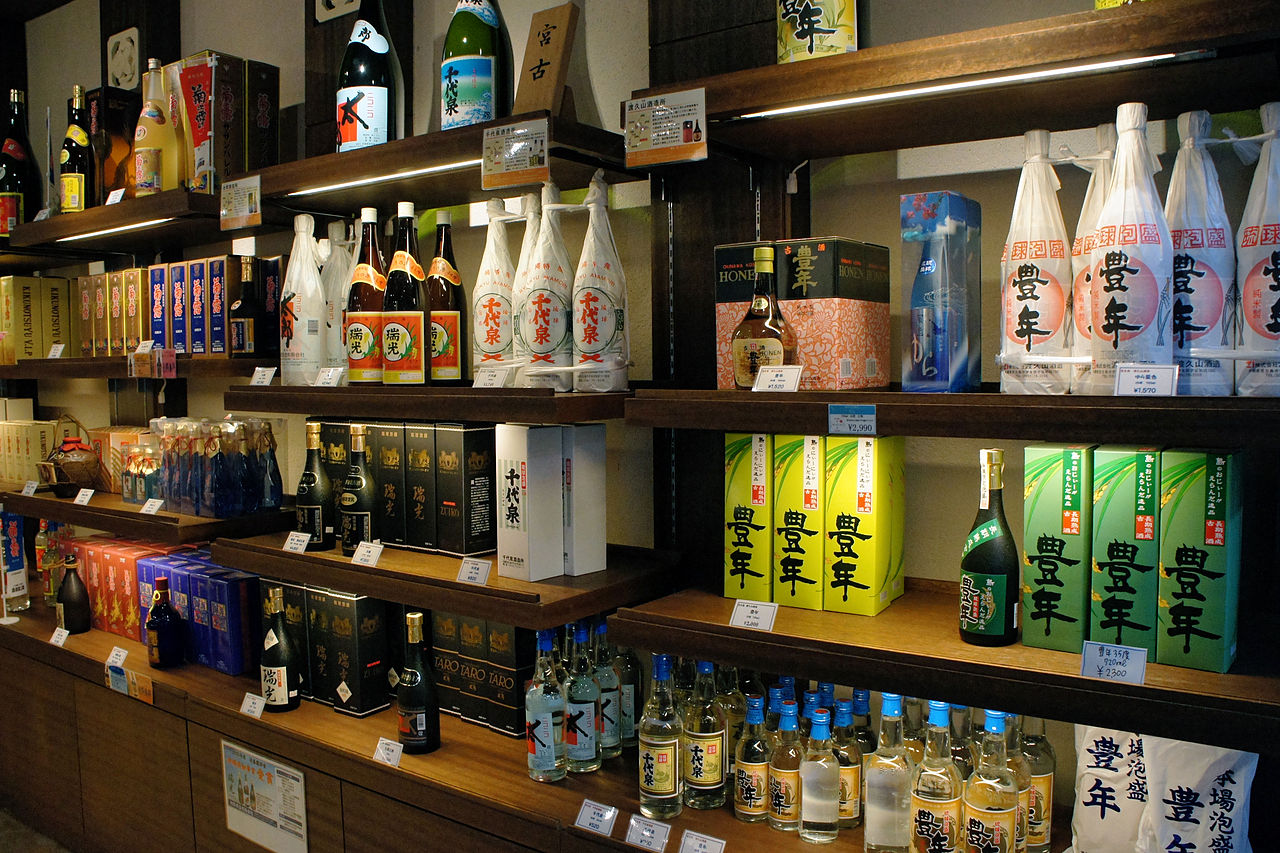
| Awamori souvenir | 800-3,000 yen | Markets / airport |
Cash is essential: Most individual vendors at Makishi Market and the arcade shopping streets accept cash only. Bring at least 10,000 to 15,000 yen for a market day. International ATMs are available at 7-Eleven and FamilyMart convenience stores. Card acceptance is expanding at main Kokusai-dori shops and American Village.
Etiquette tips: There's no tipping culture — a simple "arigato" is sufficient. Prices are fixed; don't haggle. Receive items with both hands, and ask before touching food products. Plastic bags cost 3 to 5 yen, so bring a reusable bag. The Sunday pedestrian paradise on Kokusai-dori (noon to 6:00 PM) is fine for street food, but eating while walking is generally frowned upon in Japanese culture at other times. Market vendors are exceptionally friendly to foreign visitors, so don't hesitate to engage — that interaction is part of the experience.