What Makes Okinawan Food Unique — Nuchi Gusui, Food as Medicine
Okinawa has long been one of Japan's longest-living regions, and the key to this longevity lies in its food culture. Okinawans have traditionally called food "nuchi gusui" (命の薬), meaning "medicine for life", viewing eating as an integral part of health management.
The uniqueness of Okinawan cuisine stems from its complex historical background. During the Ryukyu Kingdom era (1429-1879), active trade with China, Southeast Asia, and mainland Japan brought diverse ingredients and cooking methods. The American occupation after 1945 (until 1972) introduced Spam, tacos, and steaks. Add the subtropical climate offering tropical ingredients like goya (bitter melon), shikuwasa citrus, and mango, and you get a wholly unique culinary world distinct from mainland Japan.
Nutritionally, the traditional Okinawan diet — combining collagen from pork, isoflavones from tofu, minerals from seaweed, and vitamin C from goya — has drawn global attention as an ideal longevity diet.

Okinawa Soba — 600 Years of Soul Food
Despite its name, Okinawa soba has nothing to do with mainland Japan's buckwheat soba. Made with 100% wheat flour noodles in a clear pork bone and bonito broth, it was born from Chinese noodle influences during the Ryukyu Kingdom era. Since 1978, when the name "soba" was officially recognized, it has been Okinawa's quintessential soul food.
| Type | Features | Price Range | Best Area |
|---|---|---|---|
| Soki Soba | Pork spare ribs topping, tender cartilage | 700-1,000 yen | All of Naha |
| Soft Soki Soba | Boneless tender soki, melt-in-mouth texture | 750-1,000 yen | Naha and Central |
| Tebichi Soba | Pig's feet topping, rich in collagen | 800-1,100 yen | Naha and South |
| Yaeyama Soba | Round thin noodles, light flavor | 600-900 yen | Ishigaki and Yaeyama |
| Miyako Soba | Unique style hiding toppings under noodles | 600-850 yen | Miyako Island |
Famous shops include Shuri Soba in Naha, Kishimoto Shokudo in Motobu (founded 1905), and Hamaya Soba. Every year, October 17 is designated as "Okinawa Soba Day."

Champuru Cuisine — The Taste of Mixing Culture
Champuru means "to mix" in Okinawan dialect and refers to the iconic stir-fry dishes combining tofu, vegetables, and meat in one pan. The word derives from the Malay/Indonesian "campur" (to mix), entering Okinawan language through the Ryukyu Kingdom's Southeast Asian maritime trade.
| Type | Main Ingredients | Features | Difficulty |
|---|---|---|---|
| Goya Champuru | Bitter melon, tofu, pork, egg | Distinctive bitter taste, rich in vitamin C | Medium |
| Tofu Champuru | Island tofu, vegetables, pork | Most basic, home-cooking staple | Easy |
| Fu Champuru | Wheat gluten (kurumabu), vegetables, egg | Chewy texture, high protein low calorie | Medium |
| Somen Champuru | Thin noodles, vegetables, canned tuna | Quick lunch option | Easy |
For a deeper exploration of champuru, see our dedicated article on "Champuru Culture Complete Guide." In Okinawa, champuru transcends mere cooking — it represents a cultural philosophy.

Pork Culture — Eating Everything but the Squeal
Okinawa has a famous saying: "鳴き声以外全部食べる" (We eat everything except the squeal). This captures the island's unique pork culture where every part of the pig — from head to tail, including all organs — is used in cooking. Okinawa's per capita pork consumption is about 1.5 times the national average.
| Dish | Part Used | Cooking Method | Price Range |
|---|---|---|---|
| Rafute | Pork belly (skin-on) | Braised in soy sauce, brown sugar and awamori | 800-1,200 yen |
| Tebichi | Pig's feet | Simmered until tender, served in oden or on soba | 600-1,000 yen |
| Mimiga | Ear skin | Thinly sliced in vinegar dressing or stir-fried | 400-700 yen |
| Chiraga | Face skin | Boiled and thinly sliced as bar snack | 500-800 yen |
| Soki | Spare ribs | Braised or used as soba topping | 700-1,000 yen |
| Nakami-jiru | Intestines | Clear soup with offal, a warming broth | 600-900 yen |
Rafute resembles Chinese dongpo pork but uses awamori and brown sugar — distinctly Okinawan touches. It evolved as Ryukyu court cuisine and remains essential at New Year's, memorial services, and celebrations.

Taco Rice and American Food — Military Base Fusion
Taco rice places Mexican taco fillings (seasoned ground beef, cheese, lettuce, tomato, salsa) on top of rice — a pure Okinawan original. In 1984, the founder of King Tacos in Kin Town created it as an affordable, filling meal near the US military base.
| Food | Origin | Features | Iconic Spot |
|---|---|---|---|
| Taco Rice | 1984, Kin Town | Taco toppings + rice, 600-900 yen | King Tacos |
| A&W Root Beer | 1963, first in Japan | American-style root beer, free refills | A&W Kokusai Street |
| Blue Seal Ice Cream | 1948, born on base | Okinawa exclusives: salt cookie, beni-imo | Blue Seal Mihama |
| 1,000 Yen Steaks | GI steakhouse tradition | Thick affordable steaks | Jack's Steak House |
| Spam Dishes | Military rations | Used in onigiri, champuru, bento | Convenience stores |
Okinawa consumes roughly 90% of all Spam sold in Japan — it is truly an everyday ingredient here. The pork-tamago onigiri (Spam and egg rice ball) is a beloved convenience store staple.
Okinawan Desserts and Snacks — Sweet Island Treasures
Okinawa's subtropical climate and unique food culture have produced distinctive desserts found nowhere else in Japan.
| Name | Description | Price | Where to Buy |
|---|---|---|---|
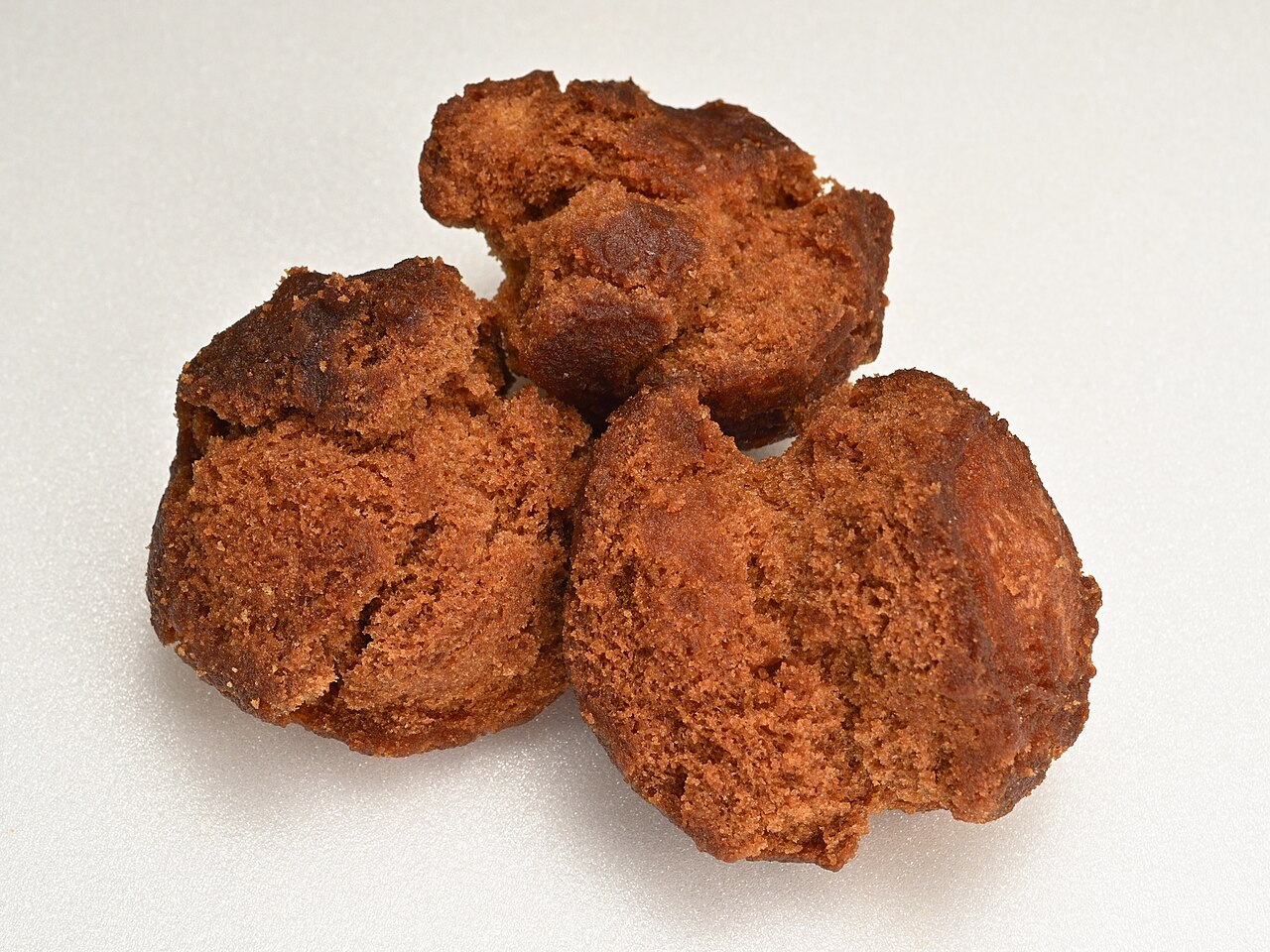
| Sata Andagi | Deep-fried doughnut balls. "Sata" (sugar) + "andagi" (fried). From Ryukyu-era Chinese pastry. Wedding essential | 100-150 yen each | Makishi Market, Kokusai St. |
| Chinsuko | Lard-flour-sugar traditional cookie. Ryukyu court confection. Crumbly texture | 12-pack 500-800 yen | Souvenir shops island-wide |
| Beni-imo Tart | Okinawan purple sweet potato tart. Vivid purple color | 6-pack 700-1,000 yen | Okashigoten |
| Jimami Tofu | Peanut tofu with mochi-like texture and sweet sauce | 300-500 yen | Izakaya, markets |
| Blue Seal Ice Cream | Okinawa exclusives: salt cookie, beni-imo, shikuwasa sorbet — 30+ flavors | Single 350-500 yen | Blue Seal shops |
| Tropical Fruits | Mango (May-Aug), passion fruit, pineapple, shikuwasa citrus | Shikuwasa juice 300-500 yen | Fruit shops, markets |
Sata andagi cracks open while frying, creating a shape that looks like a smiling face — considered a sign of good fortune. It is an essential part of Okinawan weddings.
Awamori and Drinks — 600 Years of Distilled Depth
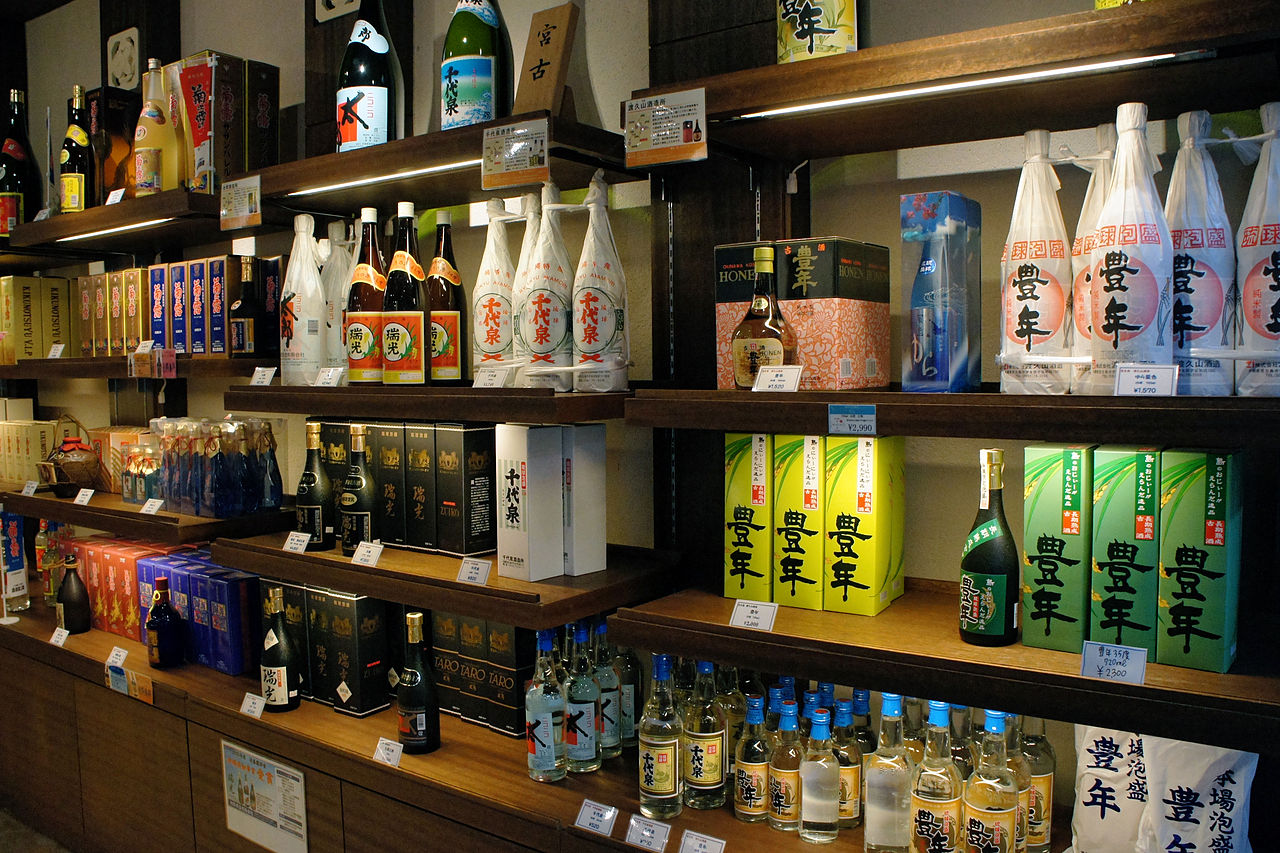
Awamori is Okinawa's indigenous distilled spirit with a 600-year history. It is made by fermenting Thai indica rice with black koji mold (Aspergillus luchuensis) then distilling — a process unique in the world.
| Drink | Description | Alcohol | Price |
|---|---|---|---|
| Awamori | Indica rice + black koji distilled spirit. Kusu (aged 3+ years) is premium | 30-43% | 400-800 yen/glass |
| Orion Beer | Founded 1957, Okinawa's local brewery. Light, crisp lager | 5% | 200-350 yen/350ml |
| Sanpin-cha | Okinawan name for jasmine tea. From Chinese "xiangpian" | 0% | 100-200 yen |
| Shikuwasa Juice | Okinawa's native citrus fruit juice, rich in vitamin C | 0% | 300-500 yen |
| Bukubuku Cha | Traditional foamy tea from roasted rice and jasmine tea — Ryukyu court beverage | 0% | 500-800 yen (experience) |
Awamori aged 3+ years earns the title kusu (古酒). Some kusu has been aging for over 100 years, thanks to a tradition stretching back to the Ryukyu Kingdom. In Okinawan izakaya, awamori is typically enjoyed diluted with water or soda, or with a squeeze of shikuwasa citrus.
Markets and Food Streets — Where to Find Okinawa's Flavors
To truly experience Okinawan cuisine, markets and food alleys are essential destinations.
| Place | Location | Hours | Highlights |
|---|---|---|---|
| Makishi Public Market | Near Kokusai St., Naha | 8:00-21:00 (varies) | Buy on 1F, cook on 2F system |
| Kokusai Street | Central Naha, 1.6 km | 10:00-22:00 | Tourist food heaven: soba, steak, ice cream |
| Yataimura | Inside Kokusai Street | 11:00-24:00 | 20+ small izakaya food stall village |
| Sakaemachi Market | Near Asato Station, Naha | 16:00-24:00 (evening) | Locals' favorite izakaya area, deep local vibe |
| Noren-gai | Matsuyama, Naha | 17:00-24:00 | Opened 2019, trendy izakaya town |
Makishi Public Market, established in 1951 and renovated in March 2023, is Naha's kitchen. Buy colorful tropical fish, pork, and seafood on the 1st floor, then pay a cooking fee (500-1,000 yen) at 2nd-floor restaurants to have it prepared on the spot.

FAQ
Q. How is Okinawa soba different from mainland soba?
A. Okinawa soba uses 100% wheat flour noodles in pork bone and bonito broth. Mainland soba uses buckwheat flour noodles in dashi broth — completely different in both noodle ingredients and soup.
Q. What are the top 5 must-eat foods in Okinawa?
A. 1. Okinawa soba (try soki soba), 2. Goya champuru, 3. Taco rice, 4. Rafute, 5. Sata andagi. These five are absolute essentials for any Okinawa visit.
Q. How do you drink awamori?
A. Typically diluted with water (mizuwari) or soda (soda-wari), sometimes with a squeeze of shikuwasa citrus. Beginners should start with 25% awamori mixed with water.
Q. Can vegetarians enjoy Okinawan food?
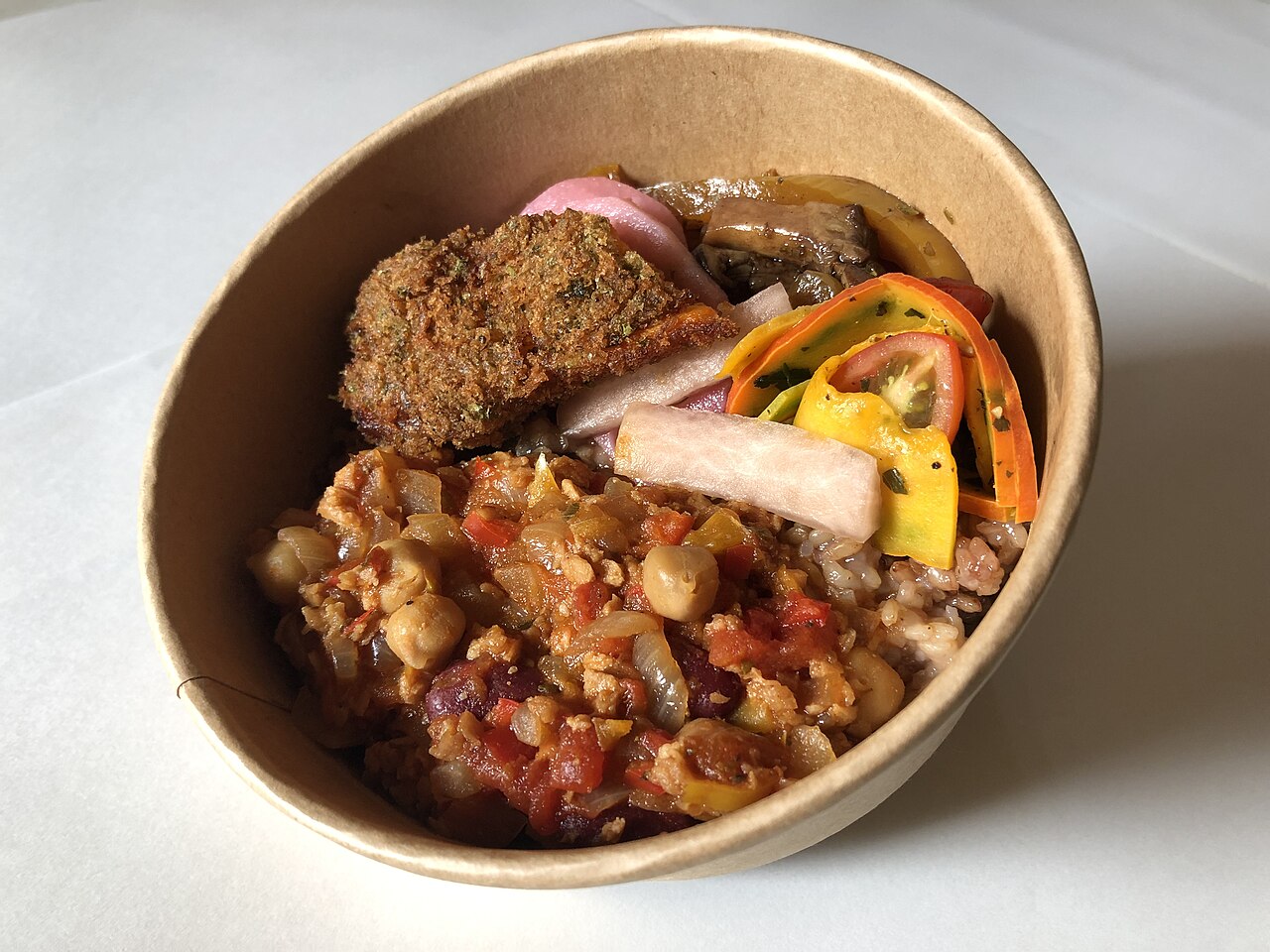
A. Options are limited in this pork-centric cuisine, but you can enjoy tofu dishes (jimami tofu, island tofu), goya champuru without meat (request no pork), seaweed dishes, and tropical fruits.
Q. How much does eating at Makishi Market cost?
A. Buy seafood on the 1st floor (1,000-3,000 yen) plus cooking fee on 2nd floor (500-1,000 yen). For two people, about 3,000-6,000 yen gets you a fresh seafood meal.