What Is Champuru — Etymology and Meaning
Champuru (チャンプルー) means "to mix" or "to blend" in Okinawan dialect. The word derives from the Malay/Indonesian "campur", which entered Okinawan language through the Ryukyu Kingdom's 14th-16th century Southeast Asian maritime trade routes.
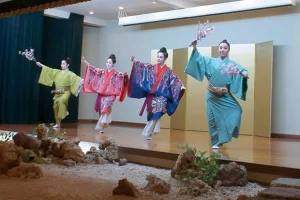
In cooking, champuru refers to stir-frying tofu, vegetables, meat and egg together in one pan. But in Okinawa, the word transcends cooking — it represents an entire worldview. The spirit of accepting different cultures without resistance and harmonizing them — Chinese, Southeast Asian, Japanese, American — is what Okinawans call "champuru spirit."
Okinawans proudly call their culture "champuru culture," and this concept, born from food, has taken root across music, architecture, language and society throughout the islands.

Historical Background of Champuru Culture
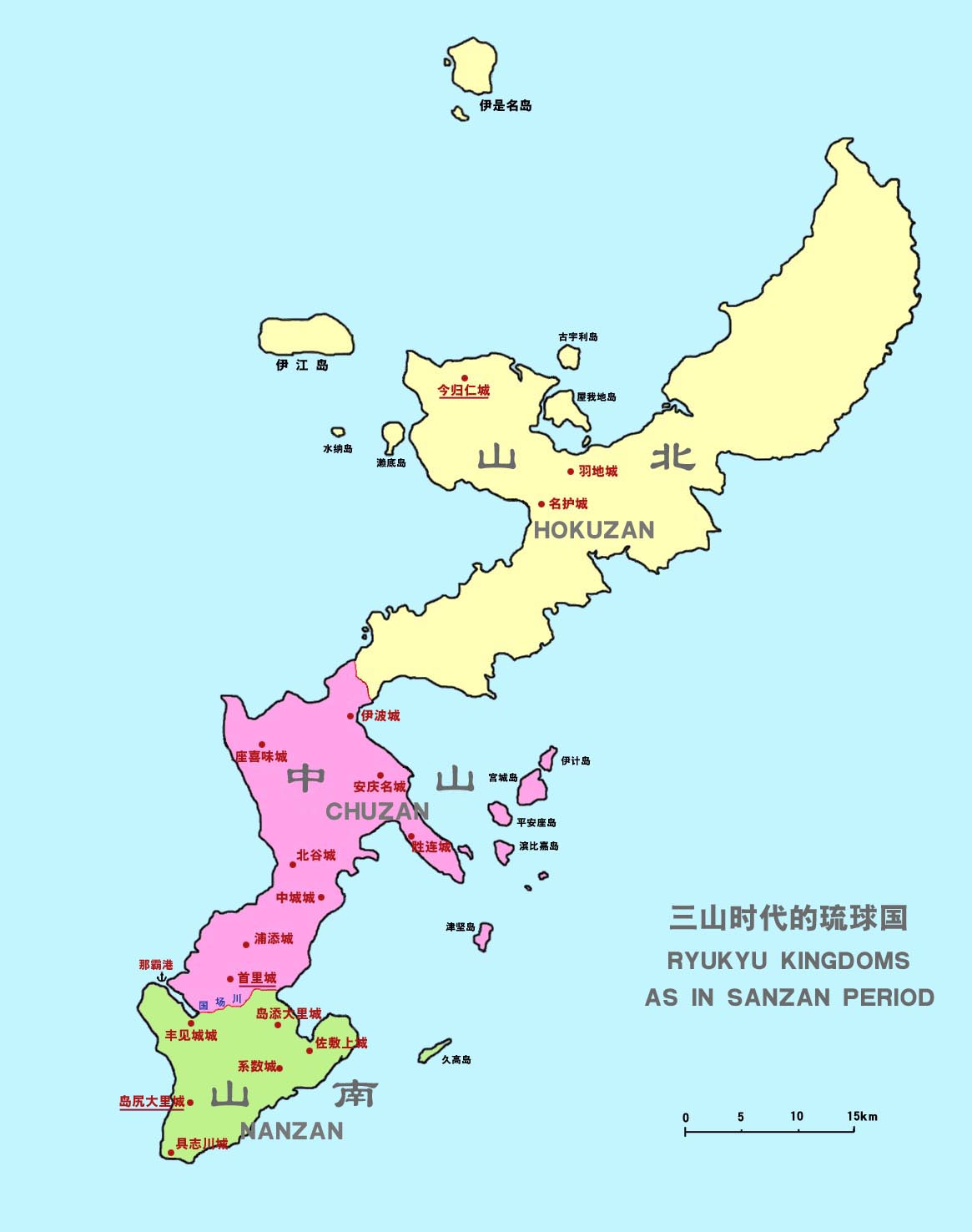
Understanding champuru culture requires looking at the history of the Ryukyu Kingdom. Unified in 1429 by Sho Hashi, this small island kingdom prospered as a maritime trade hub connecting China, Japan, Korea and Southeast Asia.
| Era | Period | Culinary Influence |
|---|---|---|
| Early Ryukyu Kingdom | 1429-1609 | Chinese stir-fry techniques, SE Asian spices, dongpo pork to rafute |
| Satsuma Rule | 1609-1879 | Japanese ingredients (tofu, somen, bonito) arrive, island tofu develops |
| Japanese Annexation | 1879-1945 | Full exchange with mainland cuisine, soba culture established |
| American Occupation | 1945-1972 | Spam, canned goods, tacos, steaks — massive American food influx |
| Post-Reversion | 1972-Present | Tourism boom drives rediscovery and globalization of Okinawan food |
Each era brought new cultural elements, but Okinawans never rejected them — instead they "champuru-ed" (mixed) them with existing traditions. Chinese stir-fry technique met Ryukyuan island tofu to create champuru cuisine; American Spam naturally joined goya champuru. This is champuru culture in action.
Core Ingredients: Island Tofu and Pork
The two pillars of all champuru cooking are island tofu (shima-dofu) and pork.
Island tofu is much firmer and larger than mainland Japanese tofu, with less moisture so it doesn't crumble when stir-fried. Traditionally set with seawater (nigari) and sold warm on the day it's made, it weighs 2-3 times more than mainland tofu (about 800g-1kg).
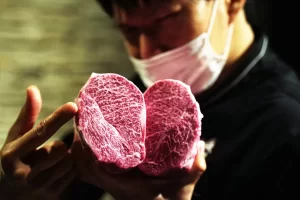
Pork is the backbone of Okinawan food culture. Belly, ribs and shoulder are common in champuru, and since the American occupation, Spam (pork luncheon meat) has often substituted or joined pork.
Nutritionally, this combination provides complete protein (plant from tofu + animal from pork) plus isoflavones — key to the Okinawan longevity diet. Traditional Okinawan daily tofu consumption is roughly double the Japanese national average.
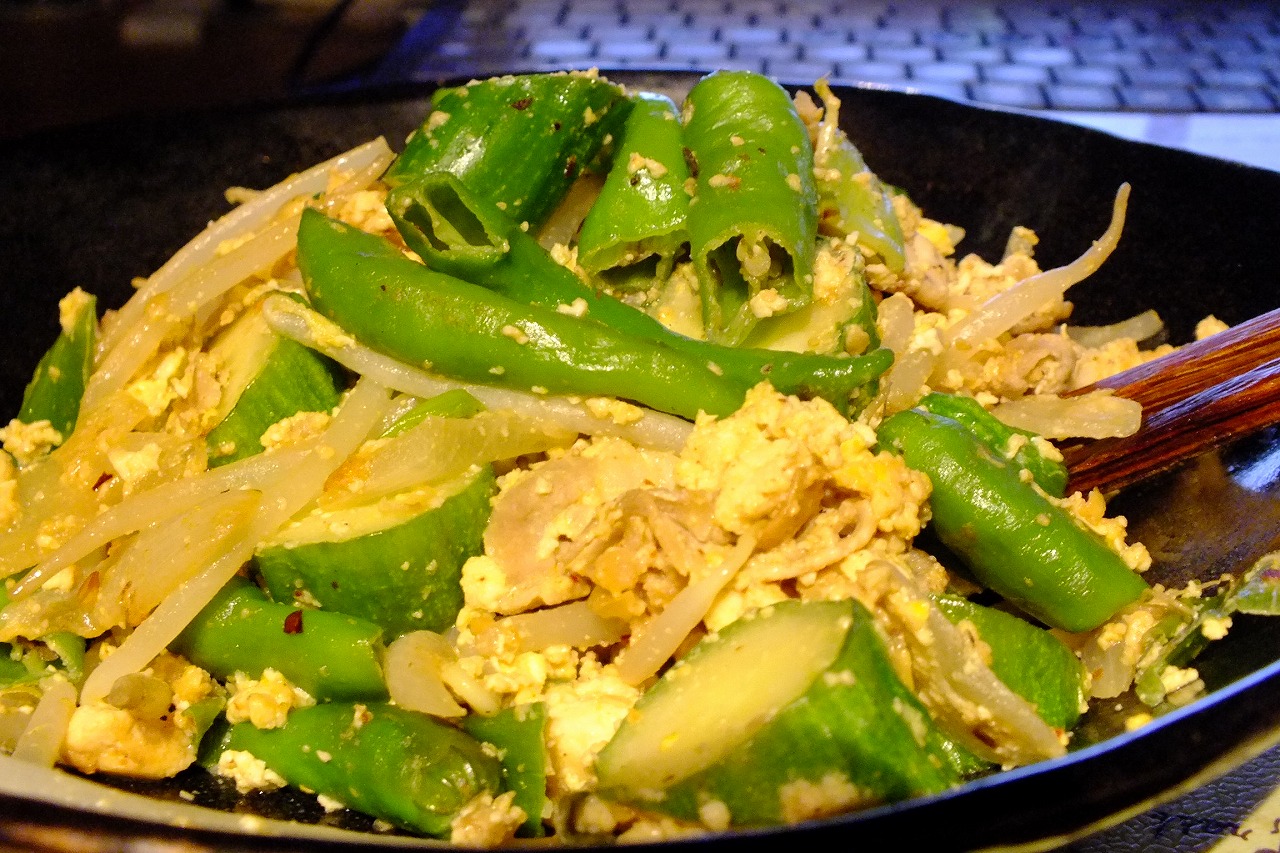
Goya Champuru — The Most Famous Champuru
Goya champuru is the most widely known champuru dish, starring the bitter melon (goya). Scientifically known as Momordica charantia, this Southeast Asian native reached Okinawa during the Ryukyu Kingdom era.
| Detail | Info |
|---|---|
| Ingredients | Bitter melon, island tofu, pork or Spam, egg |
| Flavor | Goya's distinctive bitterness balanced by tofu and egg |
| Nutrition | Vitamin C (2x lemon), anti-diabetic compounds, iron |
| Season | May-September (summer vegetable), a hot-weather tonic |
| Calories | About 350-450 kcal per serving |
| Price | 700-1,000 yen at restaurants |
To reduce bitterness: slice thinly and salt for 10 minutes, blanch briefly, or sprinkle with a little sugar. Locals embrace the bitterness — they say "the more bitter, the healthier." The 2001 NHK drama "Churasan" popularized goya champuru across all of Japan.
.jpg)
Tofu Champuru — The Most Traditional Taste
Tofu champuru is the original and most basic of all champuru dishes. Firm island tofu is broken by hand into large chunks and stir-fried with vegetables and pork — humble home cooking that best represents the taste of Okinawan grandmothers (obaa).
| Detail | Info |
|---|---|
| Ingredients | Island tofu, bean sprouts, chives (nira), pork, egg |
| Character | Most simple and traditional, island tofu flavor is key |
| Nutrition | High protein, isoflavones, calcium |
| Calories | About 300-400 kcal |
| Difficulty | Easy (beginner-friendly) |
| Price | 600-900 yen |
The key is draining the tofu well. Wrap in cloth with a weight on top for 30+ minutes to remove moisture — this prevents water release and gives a better sear. Overseas, firm or extra-firm tofu works as a substitute.
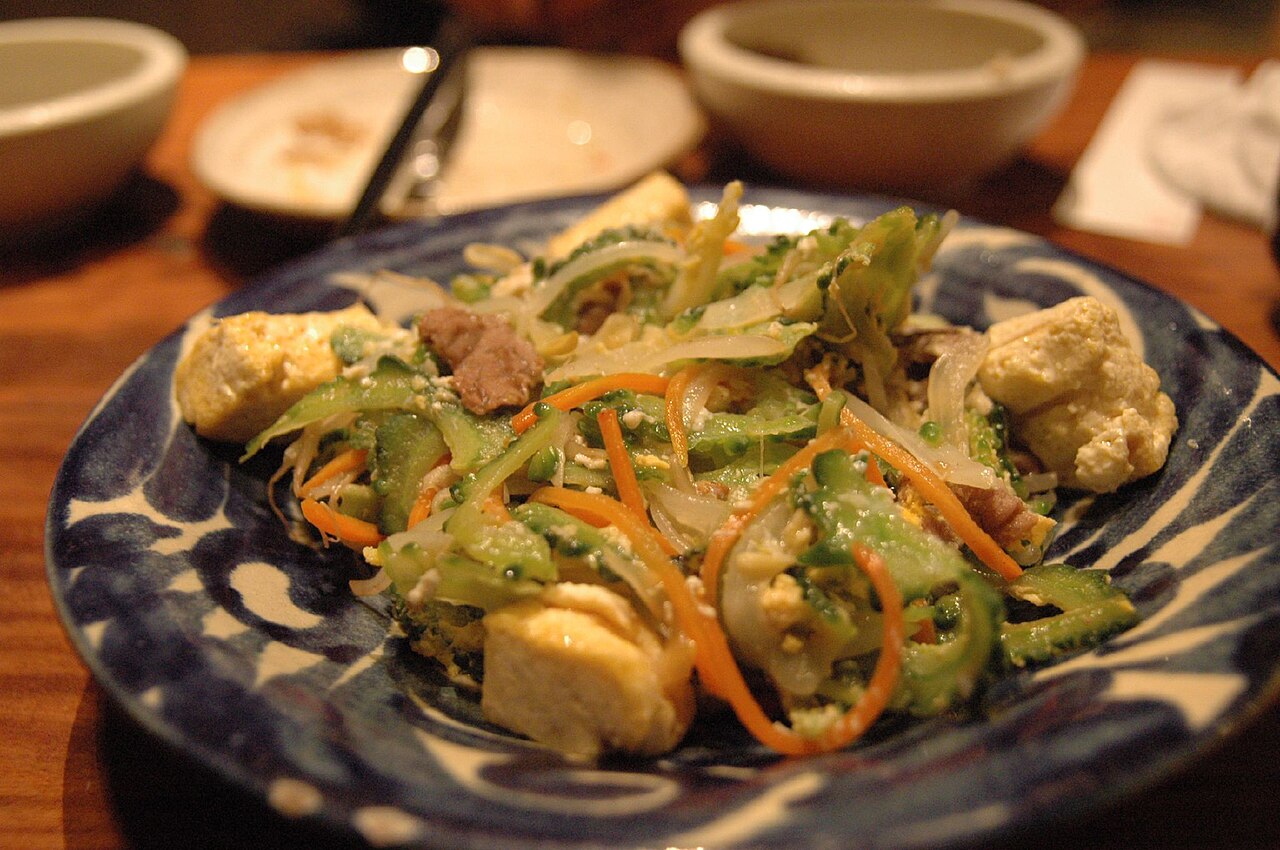
Fu Champuru — Wheat Gluten's Transformation
Fu champuru uses kurumabu (車麩) — wheel-shaped wheat gluten (fu) — as its star ingredient. Originally from mainland Japan, kurumabu was uniquely adapted in Okinawa to become a champuru staple.
| Detail | Info |
|---|---|
| Ingredients | Kurumabu (wheel fu), vegetables, egg, pork or Spam |
| Method | Soak kurumabu, dip in beaten egg, then stir-fry |
| Texture | Chewy and soft, like savory French toast |
| Nutrition | High protein (gluten), low fat, iron |
| Calories | About 300-380 kcal |
| Price | 650-950 yen |
The charm lies in the egg-soaked kurumabu — crispy outside, moist inside, with a rich flavor reminiscent of French toast. Originally a budget meal, it is now a popular izakaya favorite.
.jpg)
Somen Champuru and More — Infinite Variations
Somen champuru stir-fries boiled thin somen noodles with vegetables and canned tuna — a quick champuru popular as lunch or snack in Okinawan homes.
| Type | Main Ingredients | Season/Notes | Difficulty | Calories |
|---|---|---|---|---|
| Goya Champuru | Bitter melon, tofu, pork, egg | Summer (May-Sep), Vitamin C | Medium | 350-450 kcal |
| Tofu Champuru | Island tofu, vegetables, pork | Year-round, most basic | Easy | 300-400 kcal |
| Fu Champuru | Kurumabu, vegetables, egg | Year-round, chewy texture | Medium | 300-380 kcal |
| Somen Champuru | Thin noodles, vegetables, tuna | Summer, quick lunch | Easy | 350-420 kcal |
| Papaya Champuru | Green papaya, pork | Summer, Vitamin A | Medium | 280-350 kcal |
| Nabera Champuru | Loofah gourd, tofu | Summer (Jul-Sep), juicy | Medium | 250-320 kcal |
| Mamefu Champuru | Bean gluten, vegetables, egg | Year-round, high protein | Easy | 280-350 kcal |
The champuru principle is simple: "any ingredient can become champuru." This infinite versatility is why champuru has been loved for over 400 years as Okinawa's everyday food.
.jpg)
Champuru Spirit and Okinawan Culture — A Worldview Beyond Food
Champuru is not merely a cooking method — it is Okinawa's worldview itself. The spirit of "not rejecting differences but mixing them to create something better" permeates all of Okinawan culture.
- Music: Traditional sanshin + rock + pop = "champuru music." Okinawan artists like Namie Amuro, ORANGE RANGE and BEGIN embody this spirit
- Architecture: Concrete modern buildings + Ryukyu red-tile roofs + shisa guardian lions = Okinawa's unique style
- Language: Japanese + Uchinaguchi (Okinawan) + English blend on the streets of Koza (now Okinawa City)
- Society: "Icharibachode" (行逢えば兄弟) = "Once we meet, we are brothers." This openness to others is the root of champuru spirit
Okinawans often describe themselves as "uchinanchu (Okinawans) are a champuru people" — proudly declaring that their identity lies not in singular purity but in the harmony of diversity.

Home Recipe: Goya Champuru
A traditional goya champuru recipe from an Okinawan grandmother (obaa).
| Ingredient (2 servings) | Amount |
|---|---|
| Goya (bitter melon) | 1/2 (about 150g) |
| Island tofu (or extra-firm tofu) | 200g |
| Pork belly (or Spam) | 100g |
| Eggs | 2 |
| Bonito flakes (katsuobushi) | A handful |
| Sesame oil | 1 tbsp |
| Soy sauce | 1 tbsp |
| Salt and pepper | To taste |
Instructions:
- Step 1: Halve goya, remove seeds, slice 2-3mm thick. Salt lightly, rest 10 minutes, squeeze out moisture
- Step 2: Wrap tofu in cloth, press 30 minutes, then break by hand into rough chunks
- Step 3: Heat sesame oil over medium, stir-fry pork (or Spam) first
- Step 4: Add goya, stir-fry 2-3 minutes (keep it crisp)
- Step 5: Add tofu, raise to high heat, cook off moisture
- Step 6: Season with soy sauce, salt, pepper
- Step 7: Just before turning off heat, pour in beaten eggs in a circle, fold gently
- Step 8: Plate and top with generous bonito flakes
Grandma's tip: "Never cut tofu with chopsticks — break it by hand. The rough surface absorbs more flavor." Stop cooking while eggs are still soft-set.
FAQ
Q. What's the difference between champuru and stir-fry?
A. The key difference is tofu. Traditional champuru always includes island tofu. Without tofu, it's called "tashiya" (simple stir-fry). Finishing with bonito flakes is also unique to champuru.
Q. I don't like goya's bitterness. What other champuru do you recommend?
A. Try fu champuru (sweet, rich wheat gluten), somen champuru (light and easy), or tofu champuru (savory and simple). All are bitter-free champuru options.
Q. How can I substitute island tofu overseas?
A. Use firm or extra-firm tofu, wrap in cloth and press with a weight for 30+ minutes to drain. The key is removing as much water as possible.
Q. Is using Spam in champuru traditional?
A. Originally pork was used, but after the 1945 American occupation, Spam became widely available and naturally joined or replaced pork. Today, Okinawans consider both traditional — a perfect example of champuru spirit itself.
Q. When is the best time to eat champuru?
A. Goya champuru is best in its season, May-September. But tofu, fu and somen champuru are available year-round, so you can enjoy champuru on any Okinawa visit regardless of season.