Why the World Is Watching Okinawa's Blue Zone
Okinawa has 68 centenarians per 100,000 people — roughly five times the global average. How did this small subtropical island become one of the world's most celebrated longevity hotspots?
The term Blue Zone was coined in 2004 by National Geographic explorer Dan Buettner, who identified five regions worldwide where people live measurably longer lives. These five Blue Zones are:
- Okinawa, Japan — world's highest concentration of female centenarians
- Sardinia, Italy — highest rate of male centenarians globally
- Ikaria, Greece — an island with remarkably low rates of dementia
- Nicoya Peninsula, Costa Rica — lowest mortality rate after age 60
- Loma Linda, California, USA — a Seventh-day Adventist community
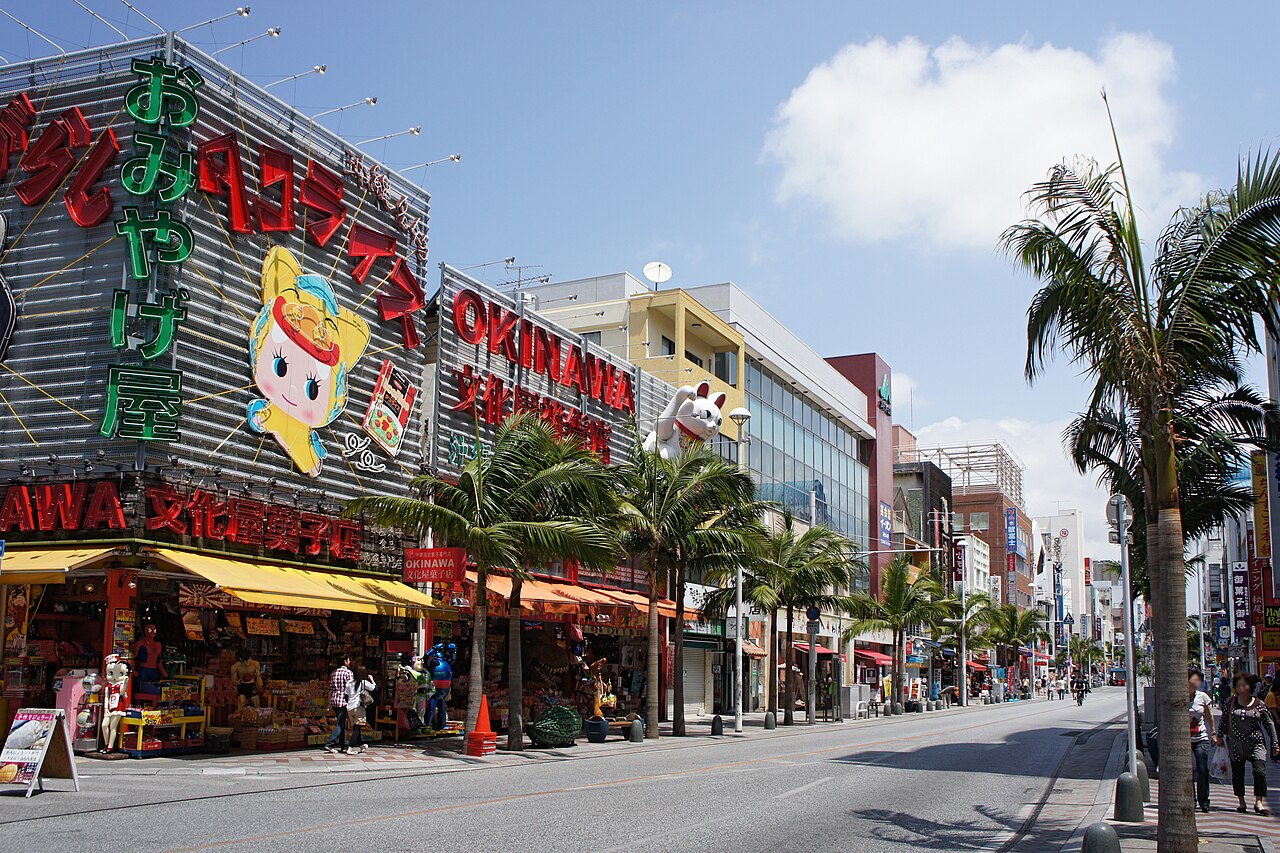
When Netflix released "Live to 100: Secrets of the Blue Zones" in 2023, global interest in these longevity regions exploded. Okinawa, already famous for its beaches and culture, is now being rediscovered as a wellness tourism destination.
The Secret of Living to 100: The Okinawan Diet
The traditional Okinawan diet contains roughly 40% fewer calories than the mainland Japanese diet, yet it delivers a higher density of nutrients. This paradoxical balance lies at the heart of Okinawan longevity.
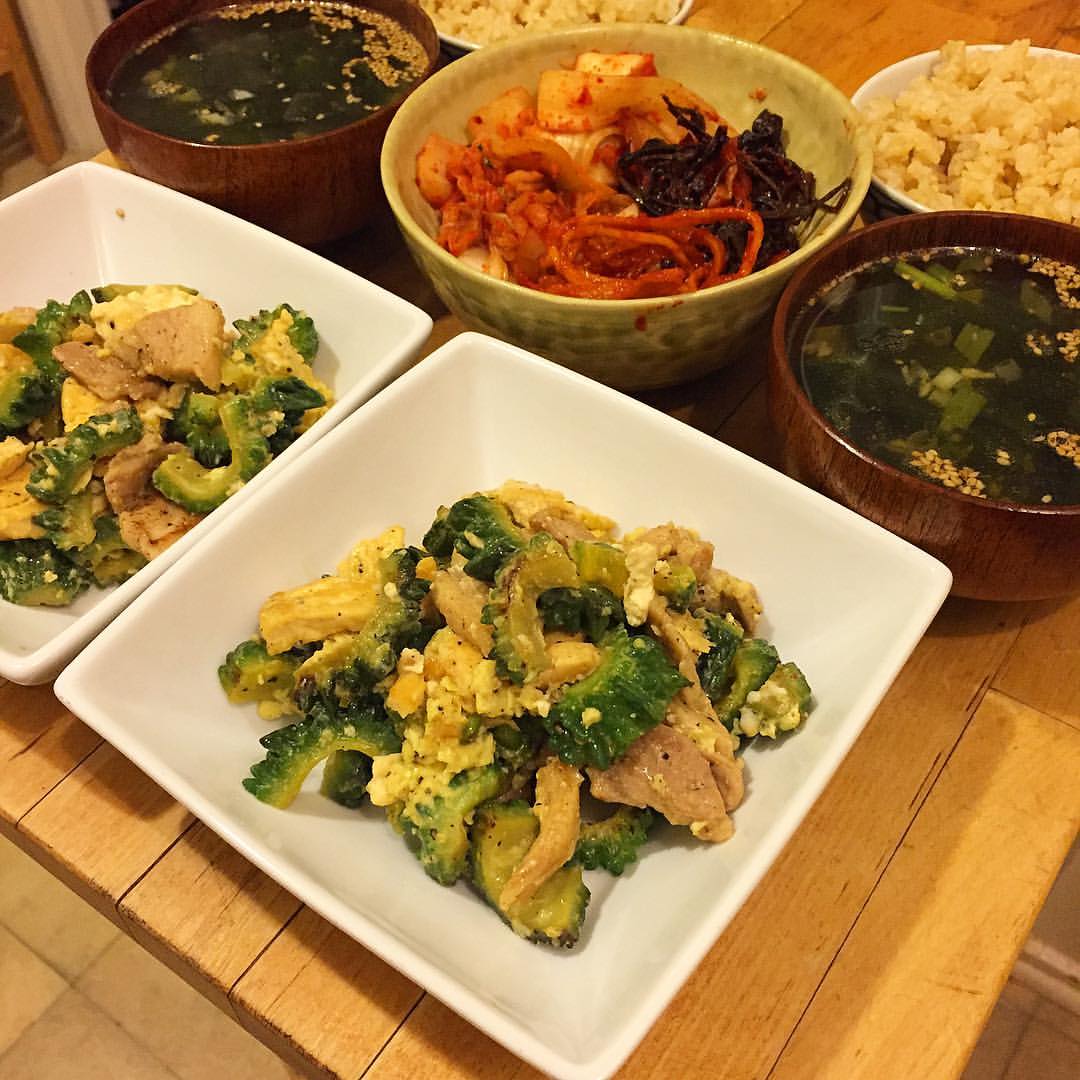
Hara hachi bu (腹八分目) is a Confucian-inspired mantra that Okinawans recite before meals. It means "eat until you are 80% full." In practice, elderly Okinawans consume an average of just 1,800 calories per day, compared to approximately 2,100 calories for mainland Japanese adults. Modern science calls this caloric restriction — and decades of research suggest it may be one of the most reliable ways to extend lifespan.
At the core of Okinawan cuisine is champuru culture. "Champuru" is an Okinawan dialect word meaning "to mix together," and it describes a stir-fry method that combines diverse vegetables, island tofu, and small amounts of protein. A single champuru dish can contain more than 10 different vegetables, naturally creating a balanced nutritional profile.
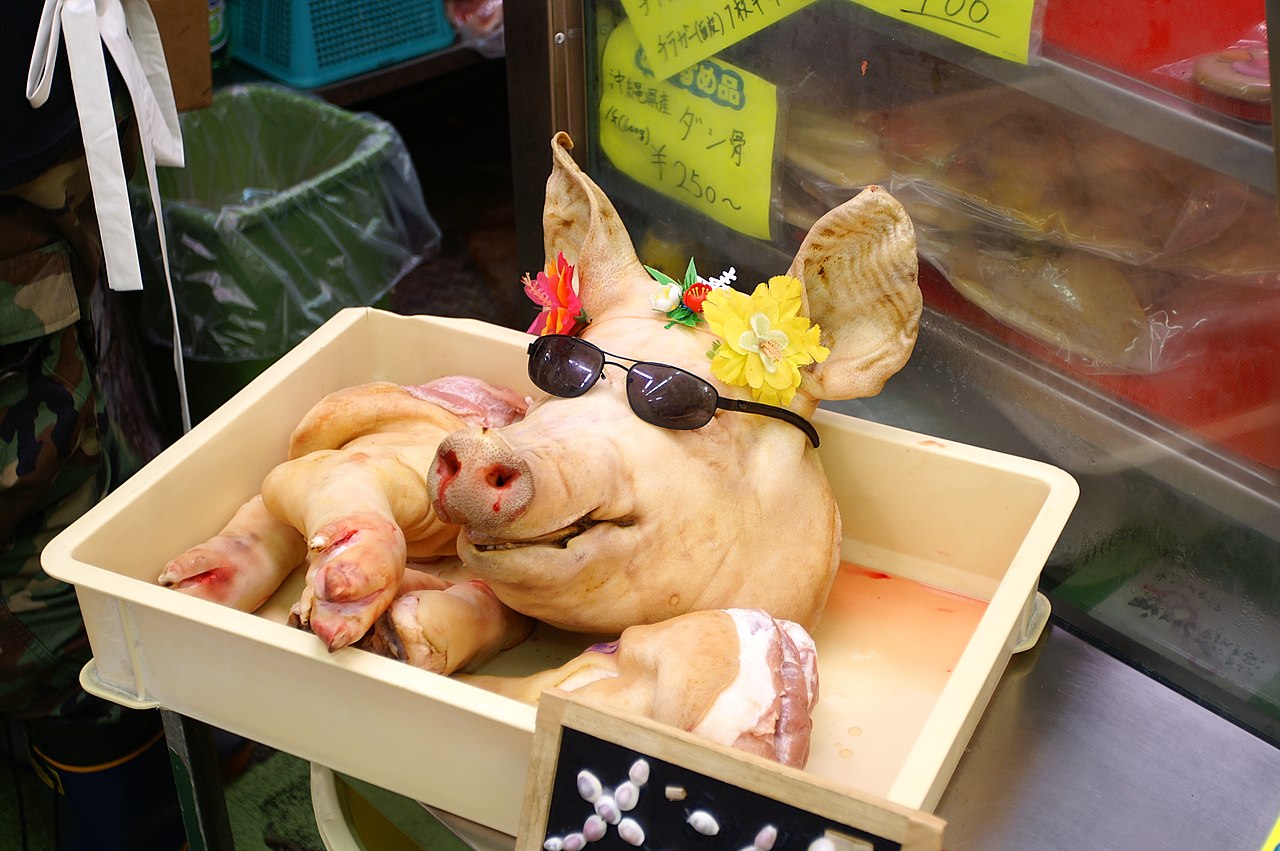
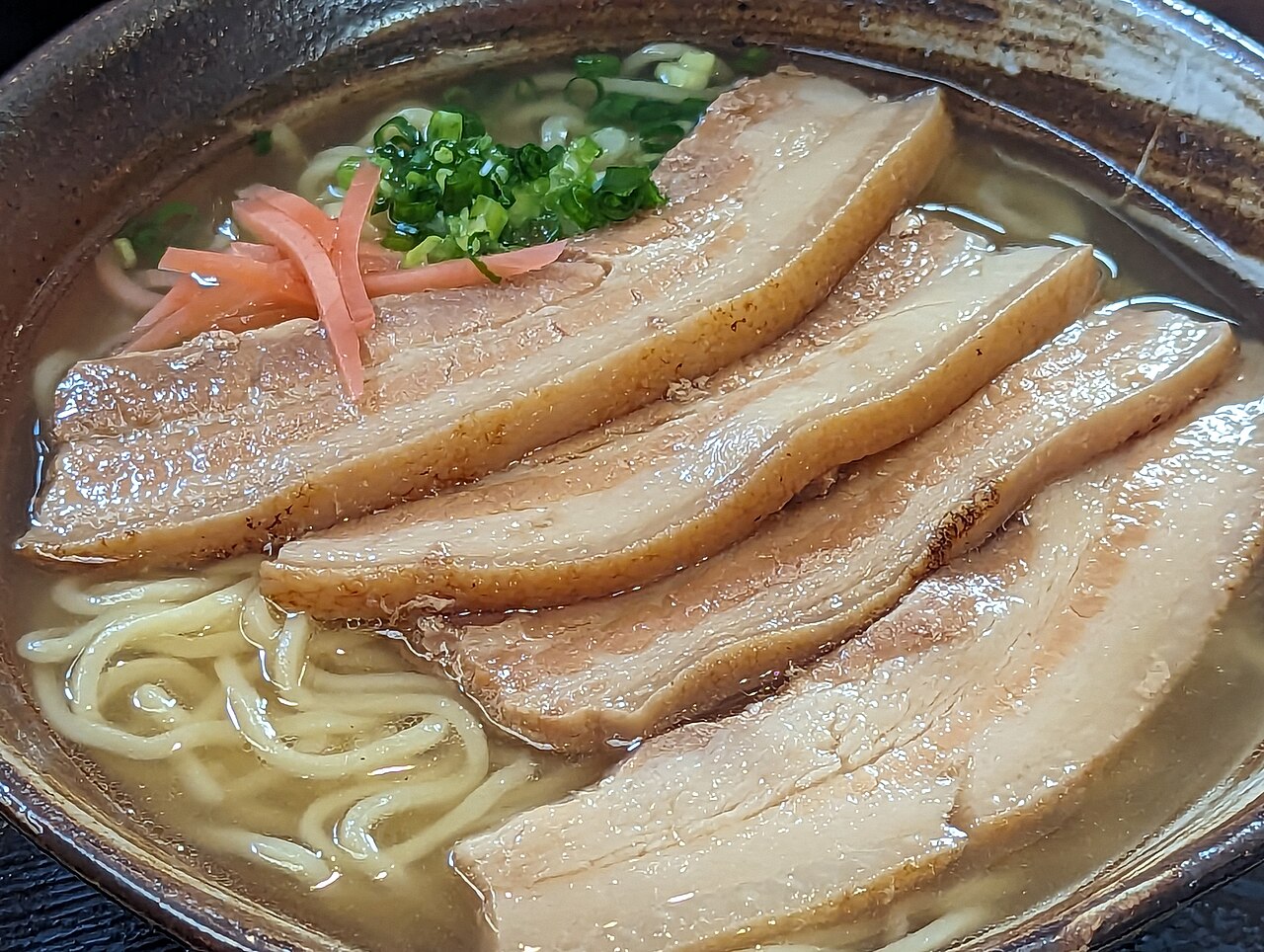
Surprisingly, pork plays a central role in the traditional Okinawan diet. However, it is prepared by simmering for hours to remove fat while retaining collagen. As the local saying goes: "We eat every part of the pig except the squeal."
Seven Longevity Superfoods of Okinawa
These seven key ingredients have sustained Okinawan health for centuries. Each carries wisdom refined over generations of island life.
1. Goya (Bitter Melon)
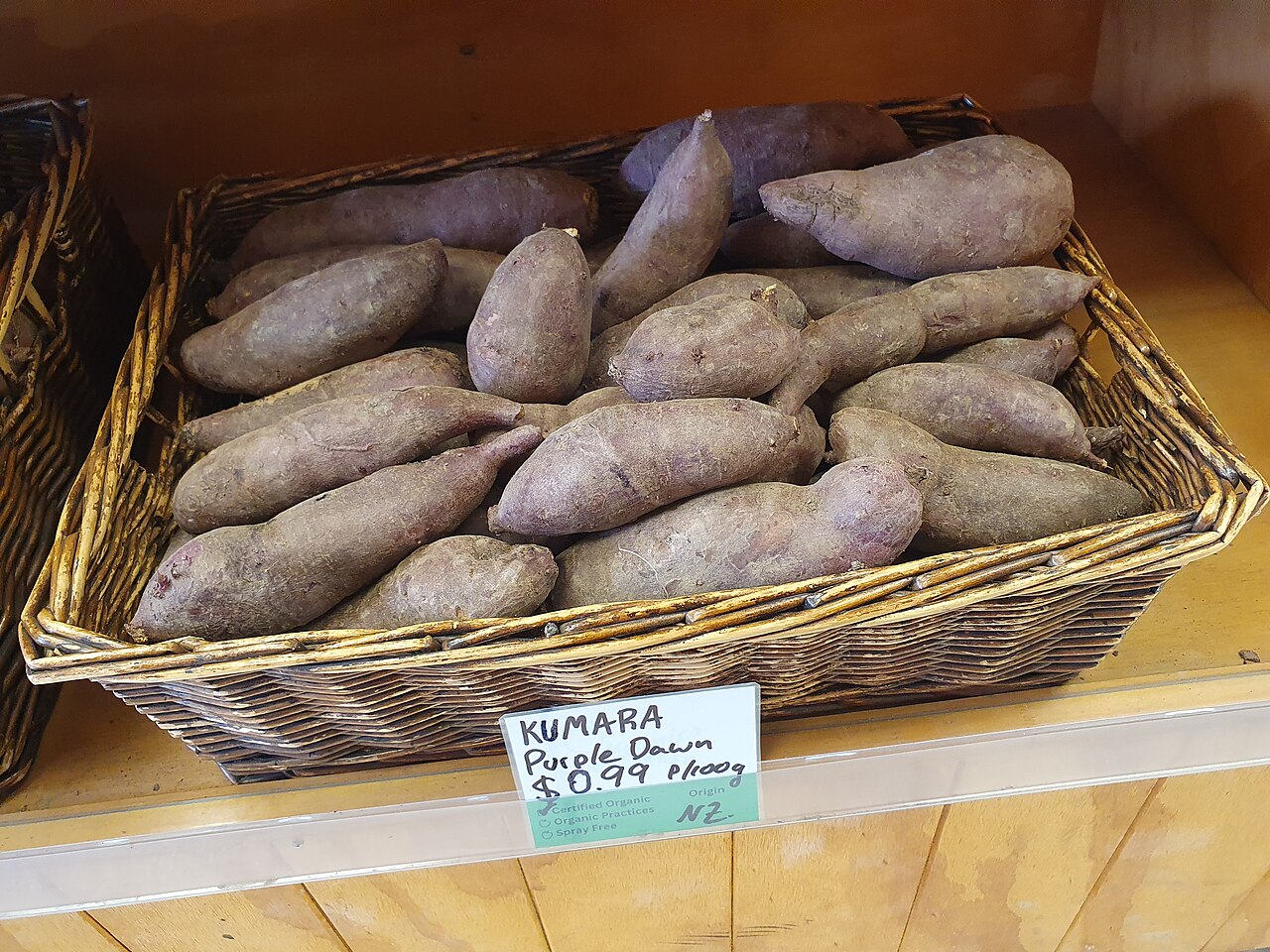
The icon of Okinawan longevity cuisine. Behind its intensely bitter taste lies 1.5 times the vitamin C of lemons and abundant dietary fiber. When stir-fried with tofu and egg in champuru, the bitterness transforms into a complex, deeply savory flavor that becomes genuinely addictive. Studies suggest goya may help regulate blood sugar levels.
2. Beni-imo (Purple Sweet Potato)
Introduced from China's Fujian Province in 1605, this vivid purple tuber became an Okinawan staple. It contains over 10 times the anthocyanins of regular sweet potatoes, providing powerful antioxidant protection. The taste is fluffy like chestnut yet sweet as honey — utterly distinctive.
3. Mozuku (Seaweed)
An astonishing 99% of Japan's mozuku production comes from Okinawa. Rich in fucoidan, it is being studied for immune-boosting and anti-cancer properties. Served as mozuku-su (in vinegar), it has a refreshingly tangy, slippery-smooth texture unlike any other seaweed.
4. Shikuwasa (Flat Lemon)
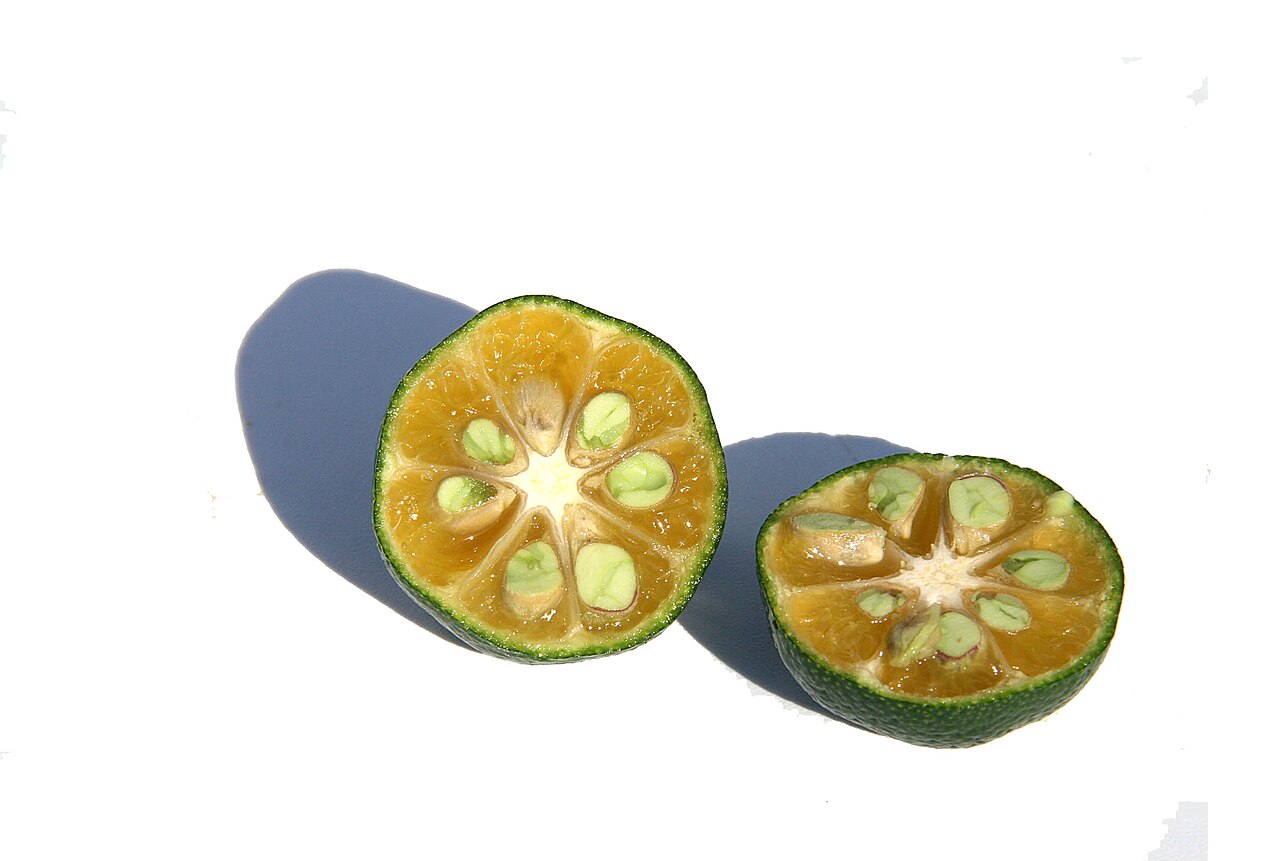
This citrus fruit grows wild around Mount Yaedake in northern Okinawa and contains approximately 12 times more nobiletin than common citrus varieties. Research is underway into its potential for blood sugar management and cognitive function improvement. The flavor is intensely tart with an aromatic floral note unique to this fruit.
5. Ukon (Turmeric)
Records show Okinawans have used turmeric medicinally since the 15th century. The curcumin it contains is now celebrated in modern medicine for its anti-inflammatory and antioxidant properties. In Okinawa, it is consumed daily as ukon-cha (turmeric tea).
6. Shima-dofu (Island Tofu)
Compared to standard Japanese tofu, shima-dofu has roughly 1.3 times the protein and 1.5 times the calcium. The traditional method of coagulating with seawater naturally supplements minerals. Its firm, nutty texture is strikingly different from the silken tofu found on the mainland.
7. Awamori (Traditional Distilled Spirit)
Okinawa's 600-year-old spirit, brewed from Thai rice and black koji mold. Moderate consumption is considered a longevity factor for its role in stress relief and social bonding. Aged kusu (vintage awamori, 3+ years) develops a smooth, vanilla-like depth that rewards slow sipping.
Ikigai and Moai: The Philosophy Behind the Numbers
Okinawan longevity goes far beyond diet. Ikigai (生きがい) translates roughly as "a reason to get out of bed in the morning." It is a life philosophy found almost universally among Okinawan centenarians.
According to Buettner's research, 97% of Okinawan centenarians had a clearly defined sense of ikigai. The concept of retirement barely exists; people in their 90s continue tending gardens and participating in community activities.
Moai (模合) is Okinawa's unique mutual-support system. From childhood, groups of five or six people form bonds that last a lifetime. They meet regularly to share meals, provide financial assistance through communal funds during hardships, and offer emotional support.
Modern research shows that social isolation carries health risks equivalent to smoking 15 cigarettes a day. Okinawa's moai system functions as a structural safeguard against loneliness — something no supplement or superfood can replace.
A cautionary note: the Westernization of the Okinawan diet after World War II has taken a measurable toll. Okinawan men's life expectancy ranking dropped from first nationally to 26th by the year 2000, a decline attributed largely to fast food and processed food consumption. The traditional diet's value has been proven — paradoxically — by its erosion.
Walking Through the Village of Longevity: Ogimi
Ogimi Village (大宜味村) sits in the Yanbaru region of northern Okinawa, home to approximately 3,100 residents. Officially designated the "Village of Longevity", its entrance features a famous stone monument inscribed with the village's longevity declaration.
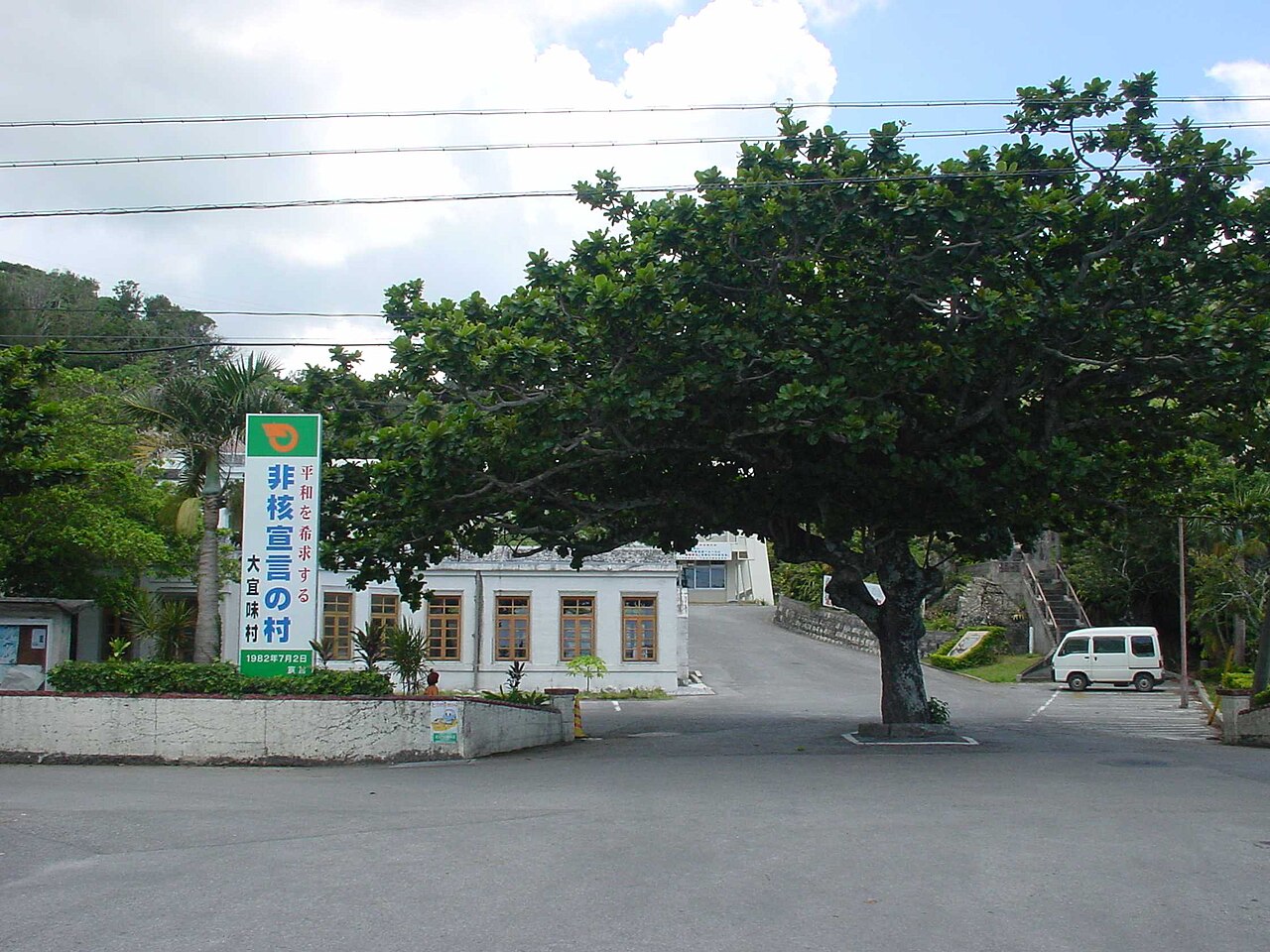
The monument reads:
"At 80, you are merely a youth. If at 90, the ancestors summon you, tell them to wait until you are 100."
What to experience in Ogimi Village:
- Shikuwasa farm tours — visit during harvest season (October to December) to pick and taste fresh fruit
- Emi no Mise (笑味の店) — a longevity-meal restaurant run by village elders
- Yanbaru forest walks — trek through phytoncide-rich subtropical woodland
- Bunagaya Festival — a traditional village festival held every November
Ogimi is approximately 90 minutes by car from Naha. Take the Okinawa Expressway to Kyoda IC, then follow Route 58 north along the coast.
Where to Taste Longevity Food in Okinawa
Here are the best places to experience Blue Zone cuisine firsthand during your Okinawa trip.
1. Emi no Mise (笑味の店) — Ogimi Village
Village grandmothers prepare a longevity set meal (choju gozen) using vegetables from their own gardens. Expect shikuwasa-dressed salad, goya champuru, mozuku-su, and purple sweet potato dessert on a single tray. Budget 1,500-2,000 yen (roughly $10-14 USD).
2. Makishi Public Market (牧志公設市場) — Naha
Known as "the Kitchen of Okinawa," this market lets you buy island tofu, mozuku, shikuwasa, and other longevity staples on the ground floor. Take your purchases upstairs, and second-floor restaurants will cook them for you. A fresh longevity meal costs 1,000-2,500 yen ($7-17 USD).
3. Umichika Shokudo (海千食堂) — Chatan
Serving Okinawan home-style cooking with organic vegetables and traditional methods. A champuru set meal starts at 850 yen ($6 USD), packed with goya, tofu, and seaweed — the building blocks of a centenarian's plate.
4. Hana Hana (花花) — Ginowan
A medicinal-cuisine (yakuzen) concept cafe offering turmeric tea, shikuwasa juice, and goya smoothies alongside light meals. Drinks 500-800 yen ($3.50-5.50), meals 1,200-1,800 yen ($8-12).
Practical tip for travelers: While in Okinawa, follow a simple rule: "Choose island tofu over natto, champuru over steak." Even convenience stores stock shikuwasa drinks (about 150 yen / $1) and mozuku packs (about 200 yen / $1.40), making it effortless to start eating like a centenarian.
Frequently Asked Questions
Will visiting Okinawa's Blue Zone actually make me healthier?
A short trip alone is unlikely to produce longevity effects. However, experiencing the food culture and life philosophy firsthand — and incorporating concepts like hara hachi bu and ikigai into your daily routine — can lead to meaningful long-term changes. The stress relief and psychological renewal from Okinawa's slower pace of life hold genuine value in themselves.
How do I get to Ogimi Village?
From Naha, it takes approximately 90 minutes by rental car. Take the Okinawa Expressway to Kyoda IC, then follow Route 58 north. Public buses (routes 67 and 120) are available from Naha Bus Terminal, but they run only every 1-2 hours, so a rental car is strongly recommended.
Can I find longevity food in central Naha?
Absolutely. Makishi Public Market offers direct access to longevity ingredients, and Okinawan home-cooking restaurants near Kokusai Street serve goya champuru, jimami tofu, and other staples. Convenience stores throughout Naha stock shikuwasa drinks and mozuku packs for on-the-go nutrition.
Are there organized Blue Zone experience programs?
Emi no Mise in Ogimi Village offers longevity meal experiences. The Okinawa Prefectural Government also promotes wellness tourism programs, and yoga/meditation retreat options are increasing. During shikuwasa harvest season (October to December), farm visits with fruit picking are available.