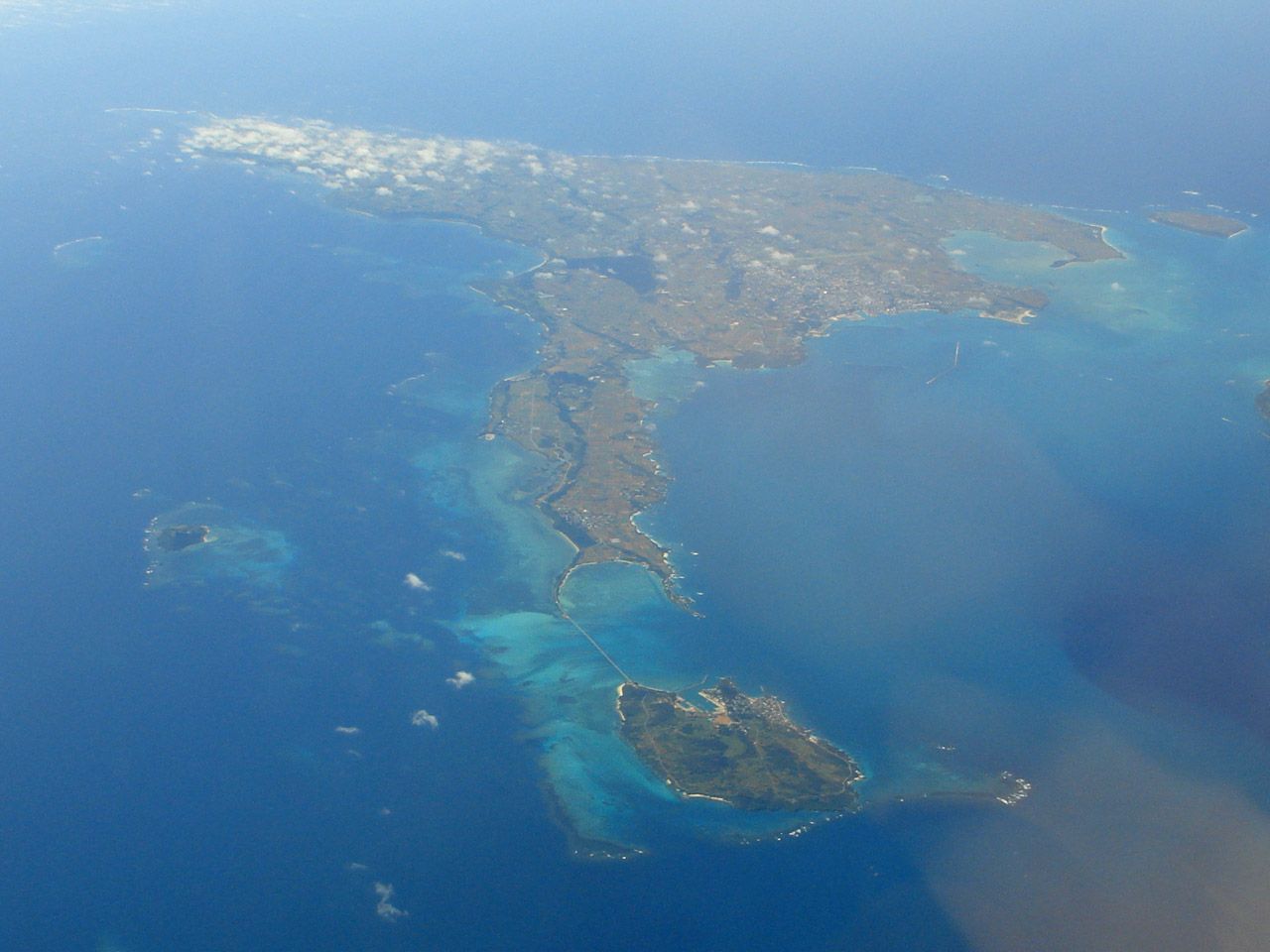
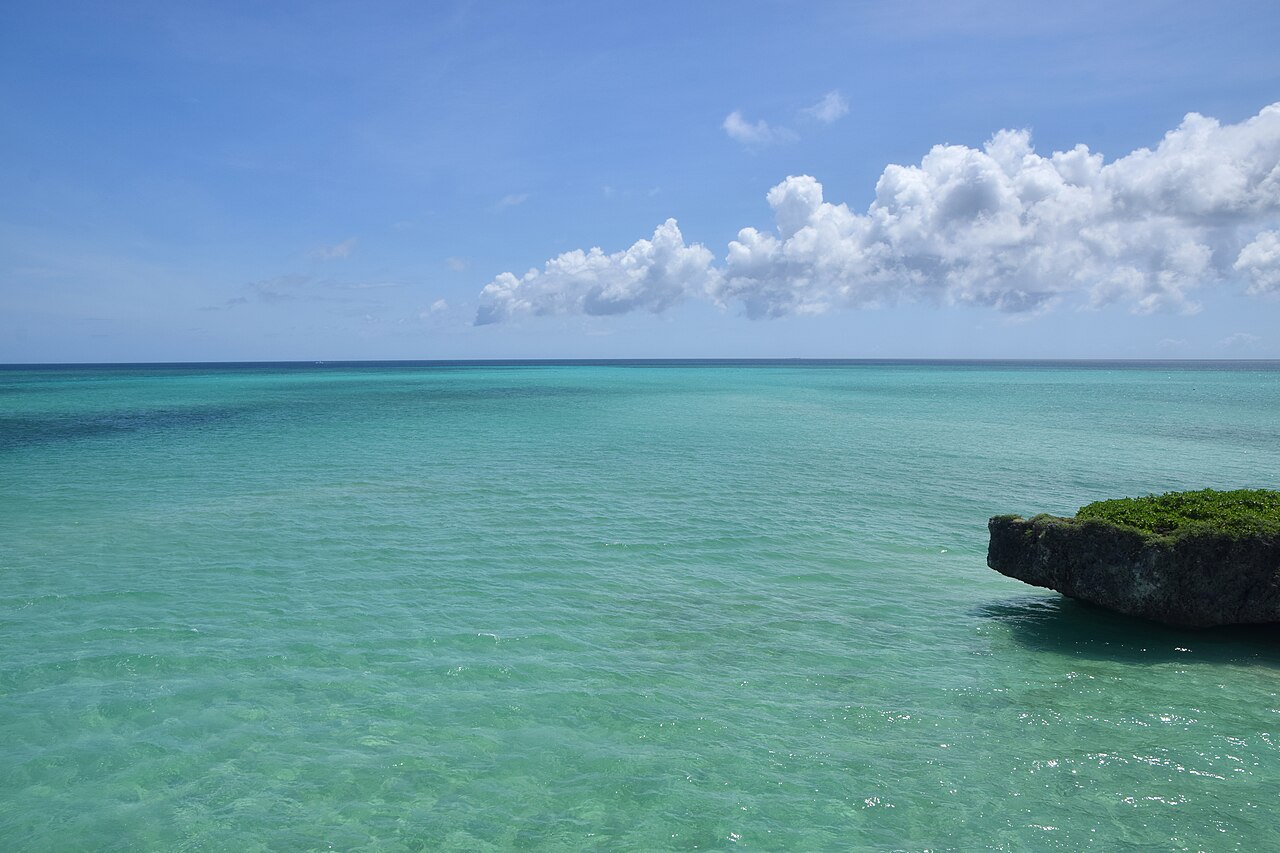
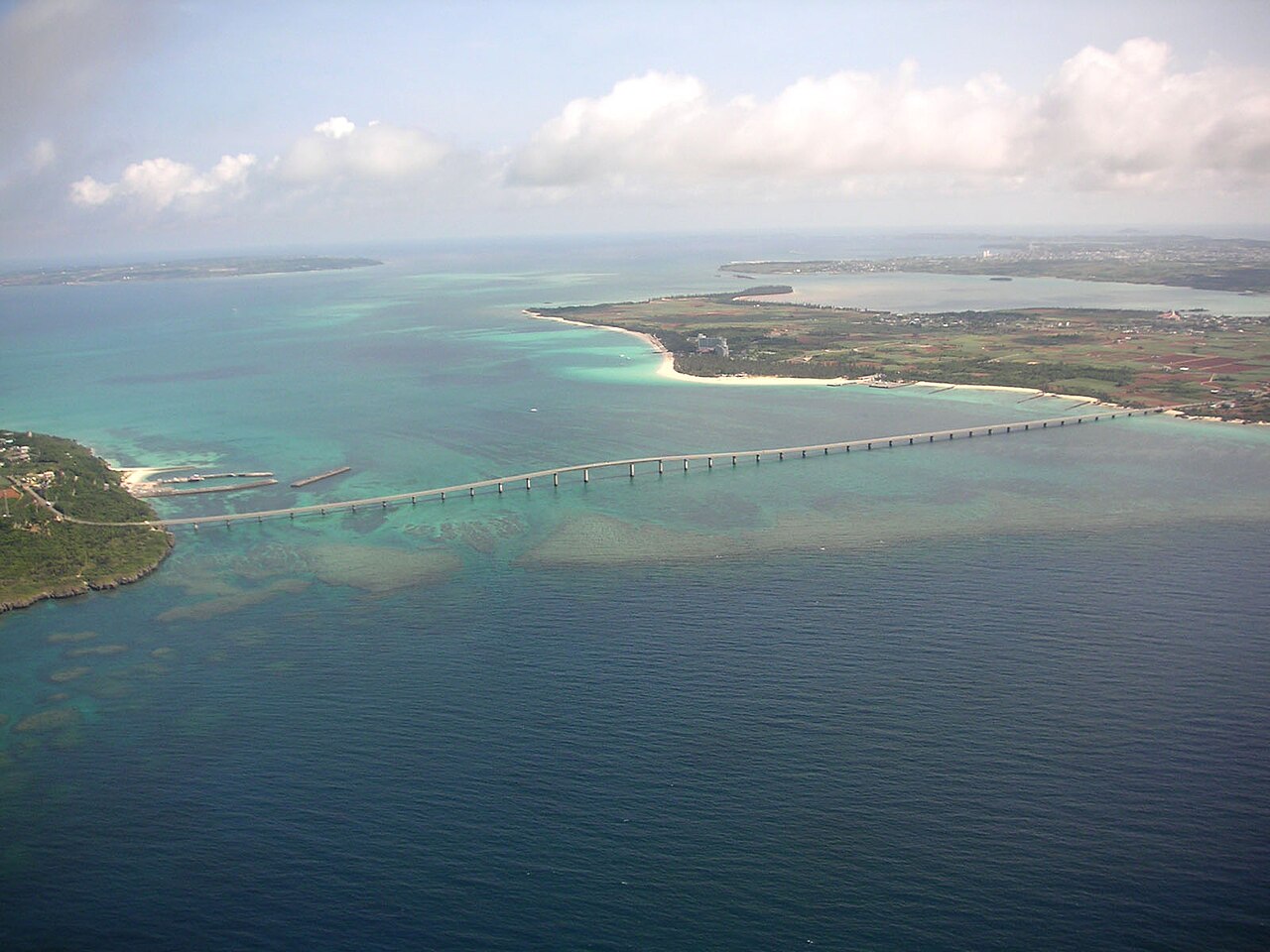
The color of the sea outside your airplane window shifts as you watch. Fifty minutes from Naha, the ocean transforms from cobalt to turquoise, and then to an indescribable transparent hue known as "Miyako Blue." When you spot a bridge stretched across the water like a white thread just before landing, you have already fallen under Miyako Island's spell. Covering 158.87 square kilometers with a population of roughly 55,000, this island has no rivers whatsoever. Rainwater seeps underground, filters through porous limestone, and emerges into the ocean without a trace of sediment. That is how an astonishing underwater visibility of 25 to 50 meters becomes possible. Miyako Blue is not a marketing slogan — it is a geological masterpiece crafted by nature itself.
1. The Secret of Miyako Blue — Why This Ocean Is So Astonishingly Clear
The Miracle of a Riverless Island
Miyako Island is a raised coral island formed from Ryukyu limestone. With a maximum elevation of only about 115 meters, the terrain is remarkably flat with no mountains, and consequently not a single river flows on its surface. Rainwater percolates through the porous limestone, undergoing natural filtration before becoming groundwater that seeps into the ocean along the coastline. The absence of sediment and red clay flowing into the sea — this is the first secret behind Miyako Blue.
How Coral Reefs Create Transparency
The fringing reef encircling the island filters incoming ocean waves and turbid currents, while sunlight penetrating the shallow waters reflects off the white coral sand bottom to create the famous gradient from emerald green to cobalt blue. Average underwater visibility measures 25 to 50 meters, rivaling world-class diving destinations anywhere on earth.
2026: Miyako Blue Becomes an Official Brand
In recent years, Miyako Island City has begun leveraging "Miyako Blue" as an official tourism brand. The expansion of direct flights from Tokyo, Osaka, and Fukuoka, explosive popularity on social media, and a resort development boom have converged to elevate Miyako Island into an independent tourism brand standing shoulder to shoulder with mainland Okinawa and Ishigaki Island.
2. The Three Great Bridges Drive — Scenic Routes Across the Sea
Irabu Bridge — Japan's Longest Toll-Free Bridge
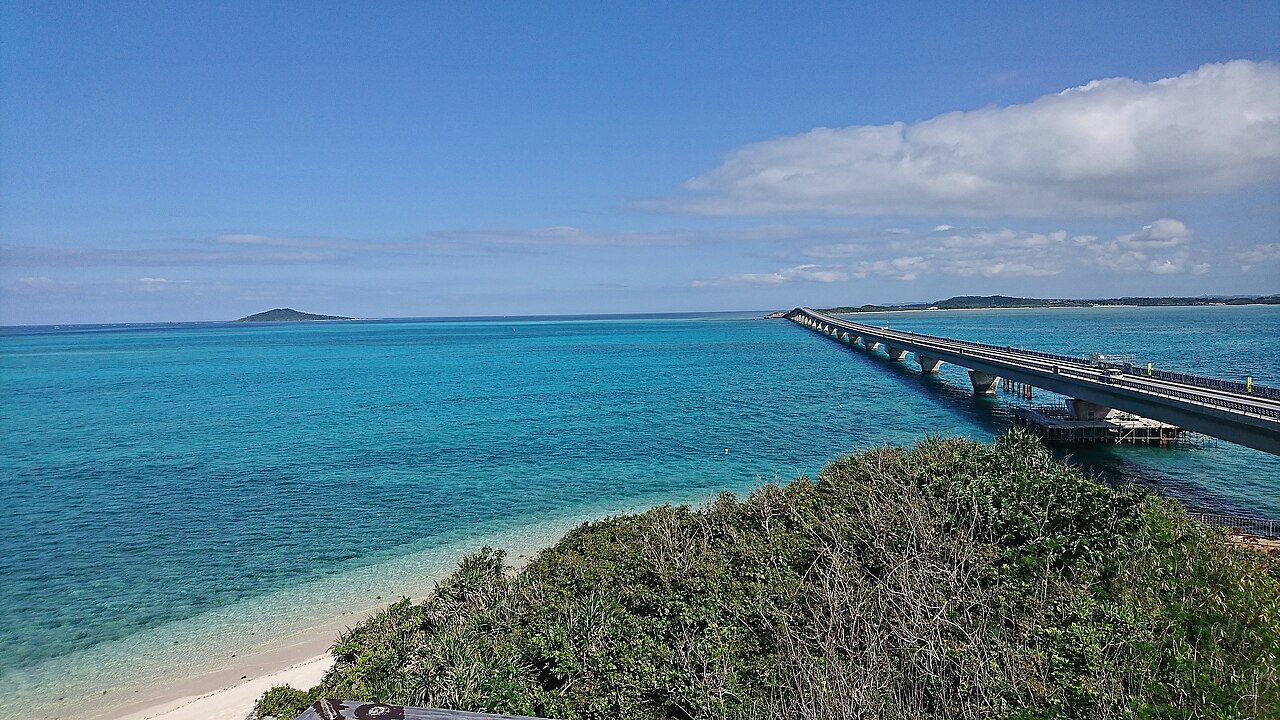
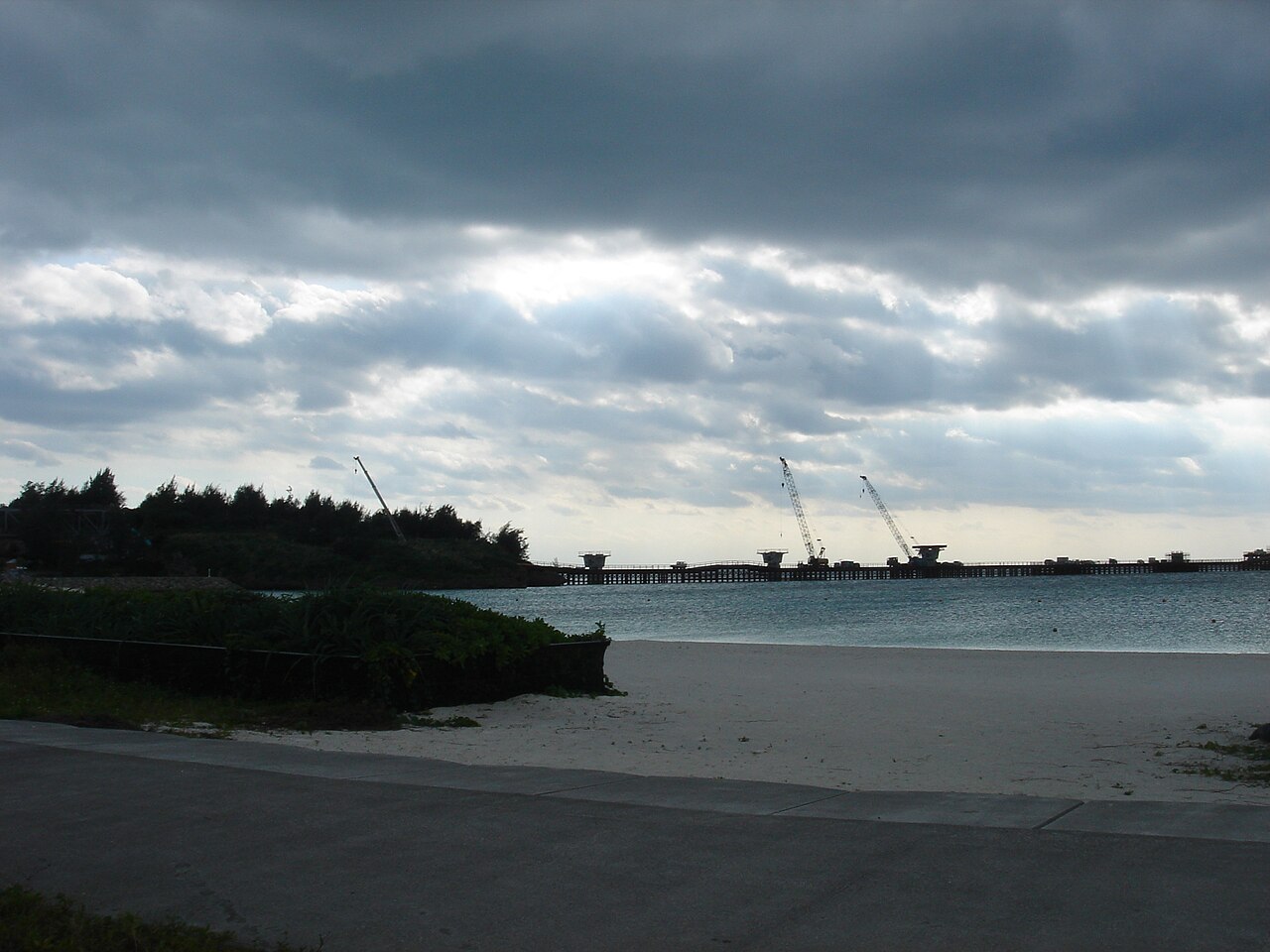
Connecting Miyako Island to Irabu Island, Irabu Bridge stretches 3,540 meters, making it the longest toll-free bridge in all of Japan. Since its opening in 2015, it has become the symbol of Miyako travel. Looking down from the bridge, the sea displays five to six overlapping colors depending on depth — a spectacle often called the "quintessence of Miyako Blue." Slow down at the slightly elevated arch section in the middle and the endless ocean fills your entire field of vision on both sides.
- Total length: 3,540 meters
- Toll: Free
- Best time: 10–11 AM (optimal front-lighting), 30 minutes before sunset (golden hour)
- Photo tip: The observation point on the Miyako side of the bridge entrance offers a panoramic view of the entire span
Kurima Bridge
This 1,690-meter arch bridge connects the southwestern part of Miyako Island to Kurima Island. From the bridge, Yonaha Maehama Beach unfolds in a sweeping panorama, and the Ryugu Castle Observatory on Kurima Island offers a bird's-eye view of the Miyako Blue sea and Maehama Beach below.
Ikema Bridge
Linking the northern tip of Miyako Island to Ikema Island, this 1,425-meter bridge boasts the most vivid coral reef shallow-water colors of all three bridges. On Ikema Island, the Heart Rock — a heart-shaped rock pool that appears only at low tide — has become a hugely popular social media spot.
Recommended three-bridge driving route: Ikema Bridge (morning, front-lit) → Miyako Island east coast → Kurima Bridge (noon) → Yonaha Maehama → Irabu Bridge (afternoon to sunset). Total distance approximately 80 km, about 5–6 hours including beach and observation deck stops.
3. Top 5 Beaches — The Stunning Shores of Miyako Island
No. 1: Yonaha Maehama Beach
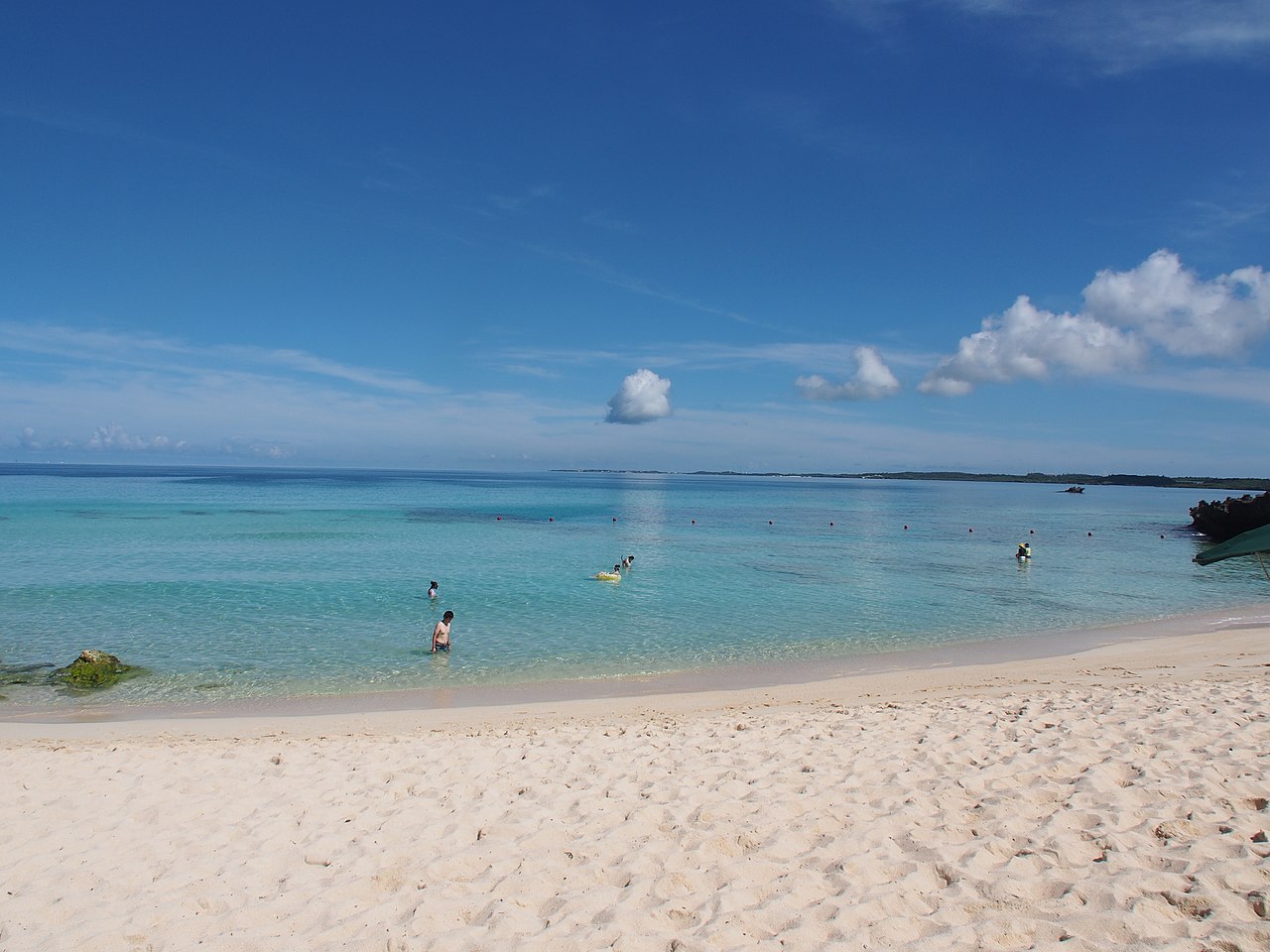
A seven-kilometer stretch of pure white sand curving in a gentle arc, Yonaha Maehama is a perennial champion of Japan's best beach rankings. The sand is an incredibly fine powder — walking barefoot feels like stepping on silk. The gently sloping depth makes it safe for families with children, and its southwestern location means it looks most breathtaking in the afternoon sun.
No. 2: Sunayama Beach
Climb over a sand dune and a small, secret beach appears suddenly before you. A natural rock arch frames the ocean like a picture window, making this Miyako Island's most iconic photo spot. At sunset, watching the sun slip through the arch creates an unforgettable scene.
No. 3: Yoshino Coast
The coral reef colony begins right at the waterline, meaning you need nothing more than snorkeling gear to swim among hundreds of tropical fish. This is the most popular spot for beach-entry snorkeling, and visiting during high tide allows you to enjoy the reef without damaging the coral.
No. 4: Shigira Beach
A mixed natural and developed beach fronting a resort, Shigira is celebrated for its exceptionally high sea turtle encounter rate. Well-maintained facilities make it the ideal choice for comfortable snorkeling, particularly for beginners.
No. 5: Aragusuku Beach (Shin-jo Kaigan)
Located right next to Yoshino Coast, this beach offers a more local, laid-back atmosphere. It tends to be less crowded than Yoshino with equally healthy coral, and free parking in some areas is a nice bonus. Rental shops right on the beach provide snorkeling gear.

4. Snorkeling and Diving Spots — The Underwater World of Miyako Blue
Yabiji — Japan's Largest Coral Reef System
Located in the waters north of Miyako Island, Yabiji spans 17 kilometers north to south and 6.5 kilometers east to west, forming one of Japan's largest table coral colonies. Known as the "Phantom Continent" because it emerges above the sea surface during spring low tides, it supports over 300 species of coral and countless tropical fish. Visitors reach Yabiji by boat tour from Ikema Island or Hirara Port (half-day tours from 10,000 to 15,000 yen).
Where to Swim with Sea Turtles
Shigira Beach and Waiwai Beach have particularly high sea turtle encounter rates. Just five meters from the shoreline, you can find yourself swimming alongside these gentle creatures, and guided tours boast a success rate above 90 percent. Touching or chasing sea turtles incurs fines, so always maintain an observation distance of at least two meters.
Top 3 Diving Points
| Point | Highlights | Level |
|---|---|---|
| Tori-ike (Twin Ponds) | Mystical limestone caverns connecting underground to the open sea on Shimoji Island | Advanced |
| Marine Lake | Coral gardens teeming with tropical fish | Beginner–Intermediate |
| Anta-gama | A large cave with ethereal blue-light effects | Intermediate |
5. Miyako Island Food Guide — Savoring Island Flavors
Miyako Soba
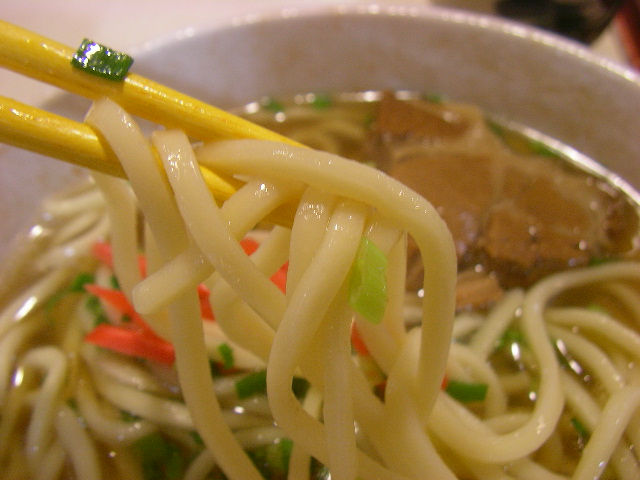
Miyako Island's take on Okinawa soba has one unmistakable twist: the meat is hidden beneath the noodles. Legend has it that during the post-war food shortage, islanders hid the pork under the noodles to avoid the eyes of tax collectors. The clear bonito-based broth holds pork belly (sanmai-niku) and spare ribs (soki) discreetly under a bed of noodles. Top restaurants: Koja Soba-ya, Maruyoshi Shokudo.
Miyako Island Mango
Miyako's apple mangoes peak from July through August, boasting a sugar content of 15 degrees or higher and an intensely rich aroma. Enjoy mango shaved ice or mango smoothies at cafes around town, or purchase premium gift-grade mangoes at the JA Okinawa direct sales shop.
Island Cuisine at Local Izakayas
The Nishizato-dori area in central Hirara is packed with local izakayas serving authentic island fare. Try shima-dofu (island tofu), mozuku (seaweed) tempura, and the adventurous yagi-jiru (goat soup). Pair your meal with awamori — specifically the Miyako-exclusive brand "Kiku-no-Tsuyu" — for the complete island dining experience.
6. Two-Night, Three-Day Model Itinerary — Conquering Miyako Island's Highlights
DAY 1: Arrival → Southern Beaches and Kurima Island
| Time | Location | Notes |
|---|---|---|
| 11:00 AM | Arrive at Miyako Airport, pick up rental car | Advance reservation essential; agencies at the airport |
| 12:00 PM | Miyako Soba lunch in Hirara | Koja Soba-ya recommended |
| 2:00 PM | Yonaha Maehama Beach | Stroll and swim along the 7 km white sand beach |
| 4:00 PM | Kurima Bridge → Ryugu Castle Observatory | Panoramic beach views |
| 6:30 PM | Sunset at Kurima Island | Western sea sunset |
| 7:30 PM | Izakaya dinner on Nishizato-dori | Island cuisine and awamori |
DAY 2: Irabu and Shimoji Islands plus Marine Activities
| Time | Location | Notes |
|---|---|---|
| 8:30 AM | Drive across Irabu Bridge | Morning front-lighting is best |
| 9:30 AM | Tori-ike on Shimoji Island | Nationally designated scenic spot |
| 10:30 AM | Sawada-no-Hama on Irabu Island | Beach dotted with mysterious boulders |
| 12:00 PM | Seafood lunch on Irabu Island | Fresh tuna rice bowl (maguro-don) |
| 2:00 PM | Yabiji half-day snorkeling tour or Shigira Beach snorkeling | Sea turtle encounters |
| 5:00 PM | Relax at your resort hotel | Poolside cafe time |
| 7:00 PM | Resort dinner or meal in town |
DAY 3: Northern Miyako and Ikema Island → Departure
| Time | Location | Notes |
|---|---|---|
| 8:00 AM | Morning walk at Sunayama Beach | Early morning means fewer crowds |
| 9:30 AM | Drive across Ikema Bridge | Savor the vivid coral reef colors |
| 10:30 AM | Ikema Island Heart Rock and wetlands | Check low tide times in advance |
| 12:00 PM | Lunch and souvenirs in Hirara | Public market, buy mangoes |
| 2:00 PM | Return rental car → Miyako Airport | Return 2 hours before departure |
7. Getting There and Rental Car Essentials — Miyako Island Transport Guide
How to Reach Miyako Island
| Origin | Airlines | Flight Time | Notes |
|---|---|---|---|
| Naha (OKA) | JTA, ANA, Skymark | About 50 min | 10+ flights daily, most frequent route |
| Tokyo Haneda (HND) | ANA, JTA | About 3 hours | Direct flights, expanded in 2026 |
| Osaka Kansai (KIX) | Jetstar | About 2 hr 30 min | LCC direct flights |
| Nagoya Chubu (NGO) | ANA | About 2 hr 40 min | Seasonal service |
Money-saving tip: While routing through Naha offers the most flight options, direct LCC flights from Tokyo or Osaka can bring your round-trip fare under 20,000 yen. During peak season (July through September), booking three months in advance is essential.
Rental Car — An Absolute Must on Miyako Island
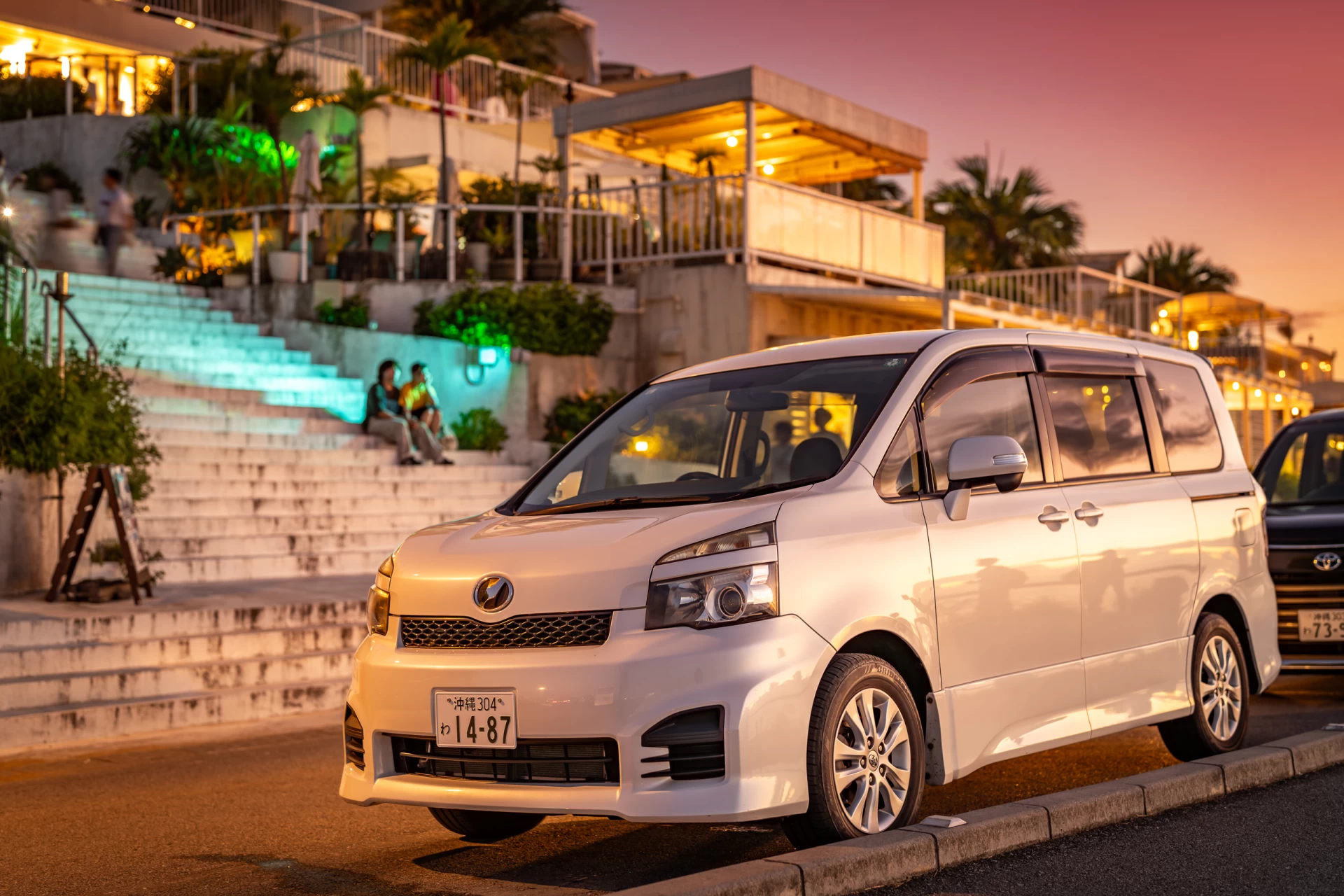
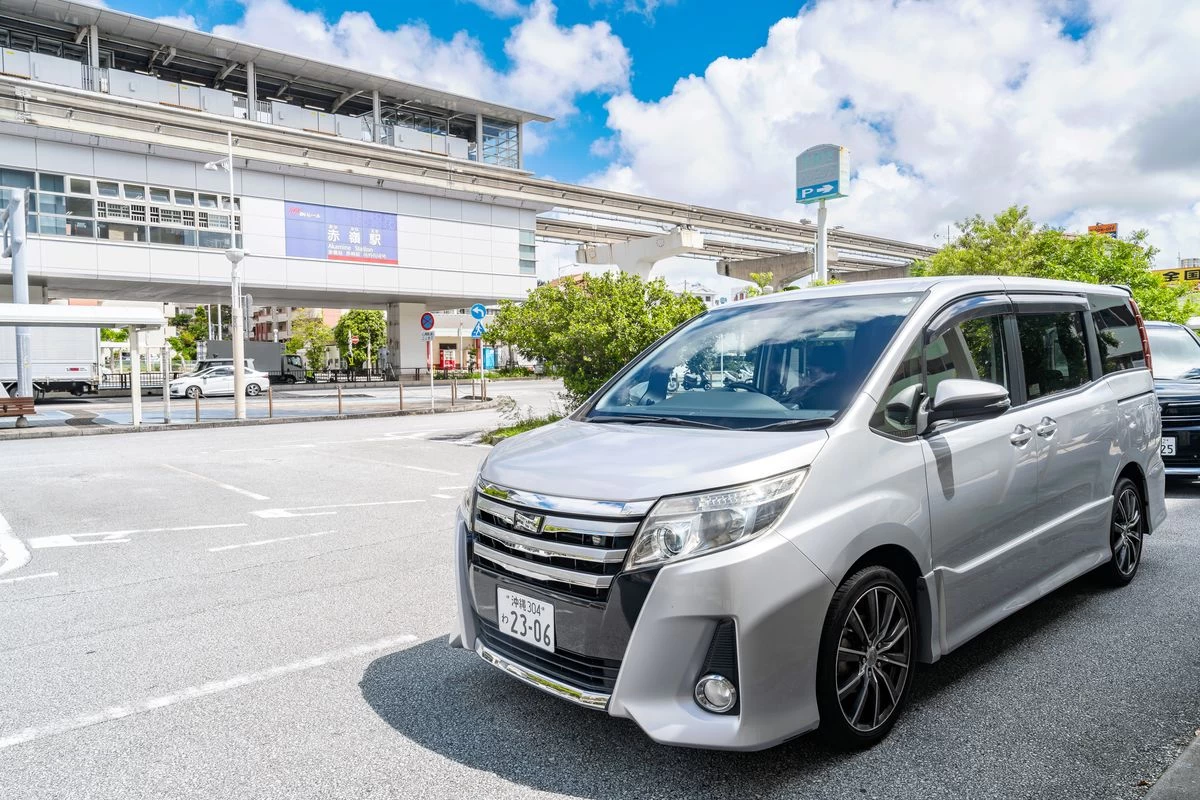
A rental car is essential on Miyako Island. The drive across the three great bridges that loops the island is the highlight of any Miyako trip, and with extremely limited bus routes, reaching beaches and observation points without a car is virtually impossible.
- Reservations: Book at least one month ahead during peak season; choose an agency with airport pickup
- Vehicle type: Kei car or compact for two travelers, sedan or small SUV for three to four, minivan for five or more
- Fuel warning: There are no gas stations on Irabu Island or Kurima Island — always fill up before crossing the bridges
- Caution: Watch for underbody damage on unpaved beach access roads and beware of getting stuck in sand
- Price range: Kei car 3,000–5,000 yen per day; compact 4,000–7,000 yen per day
8. Frequently Asked Questions
Q1. When is the best time to visit Miyako Island?
April through October is the prime window. Swimming season runs from April to October, while diving is possible year-round. Late June to early July, just after the rainy season ends, offers the best balance of weather, pricing, and crowd levels. During peak season (July through September), flights, rental cars, and hotels all sell out early, so booking three months ahead is a must.
Q2. How much should I budget for a Miyako Island trip?
For a two-night, three-day trip departing from Naha, budget approximately 50,000 to 80,000 yen per person. This breaks down to roughly 15,000–25,000 yen for round-trip flights, 8,000–14,000 yen for two days of car rental, 15,000–30,000 yen for two nights' accommodation, and 15,000–25,000 yen for meals and activities.
Q3. Can I explore the island by bus alone?
Realistically, it is very difficult. While the Miyako Kyoei bus service exists, buses run only once every one to two hours, and routes to Irabu Bridge, beaches, and observation decks are extremely limited. A rental car is strongly recommended. If you do not have a license, chartering a taxi for the day (approximately 20,000–25,000 yen) is an alternative.
Q4. Is it safe to visit during typhoon season?
August and September carry typhoon risk. A direct hit can ground flights and suspend ferries, so purchase travel insurance and build buffer days (one day on either side) into your schedule. On the flip side, the ocean reaches its peak transparency just after a typhoon passes — divers consider this the "golden timing."
Q5. Ishigaki or Miyako — which island should I visit first?
For ocean clarity and driving scenery, choose Miyako Island. For natural diversity — mangroves, jungles, multi-island hopping — choose Ishigaki. If this is your first Okinawa outer-island trip, the superior accessibility and unmatched beach quality make Miyako Island the recommended starting point.